
Basil Peach Daiquiri
Basil Peach Daiquiri brings together White rum and Peach syrup, lime, and Basil syrup in a focused cocktail that is easy to understand but far from one-note.
Ingredients: White rum, Peach syrup, lime, and Basil syrup.

The Daiquiri is often mistaken for a frozen fruit drink, but the original is one of the cleanest tests of cocktail technique: rum, fresh lime and sugar, shaken cold and served without fuss. There is nowhere for weak citrus, rough rum or poor dilution to hide. That simplicity is exactly why bartenders respect it.
A traditional Daiquiri is a sour built around white rum. Lime supplies acidity, sugar rounds the edges and shaking adds chill, dilution and a fine texture. The exact ratio changes with the rum and the lime, so tasting matters more than blindly following a formula. The drink should be crisp and refreshing, not aggressively sour and never syrupy.
The Hemingway Daiquiri adds grapefruit and maraschino liqueur and is usually served drier than the classic. It is more aromatic, slightly bitter and less obviously sweet. It demonstrates an important principle: a variation can remain recognisably related to its parent while changing the balance and personality.
Strawberry, raspberry, guava, peach and tropical Daiquiris add flavour and often extra texture. Fresh or frozen fruit also adds water and natural sugar, so the lime and syrup must be recalibrated. Simply pouring fruit puree into a classic recipe can produce a flat, over-sweet drink. Good variations still preserve the tension between rum, acidity and sweetness.
A shaken Daiquiri is compact, silky and precise. A frozen Daiquiri is longer, colder and more forgiving, but blending introduces much more dilution. Use measured ice rather than filling the blender at random. Frozen Lemon Daiquiri and Frozen Tropical Daiquiri should taste vibrant after the ice begins to melt, not just in the first sip.
A light Cuban-style rum keeps the classic bright. A more characterful unaged rum adds grassy or fruity notes. Aged rum produces greater vanilla and oak depth, while overproof or funky rum can turn the drink into something wilder. The rum should match the fruit rather than disappear behind it.
Every drink in this guide links back to the same idea: spirit, citrus and controlled sweetness. Try the original first, then compare it with Hemingway's drier interpretation and a fruit version. That sequence makes it easy to taste how one of the simplest cocktail formulas became one of the most adaptable.
Browse every active cocktail currently linked to this collection.
Basil Peach Daiquiri brings together White rum and Peach syrup, lime, and Basil syrup in a focused cocktail that is easy to understand but far from one-note.
Ingredients: White rum, Peach syrup, lime, and Basil syrup.

A crisp cocktail made with lime and rum.
Ingredients: Rum, lime juice, sugar syrup. Shake with ice and serve chilled.
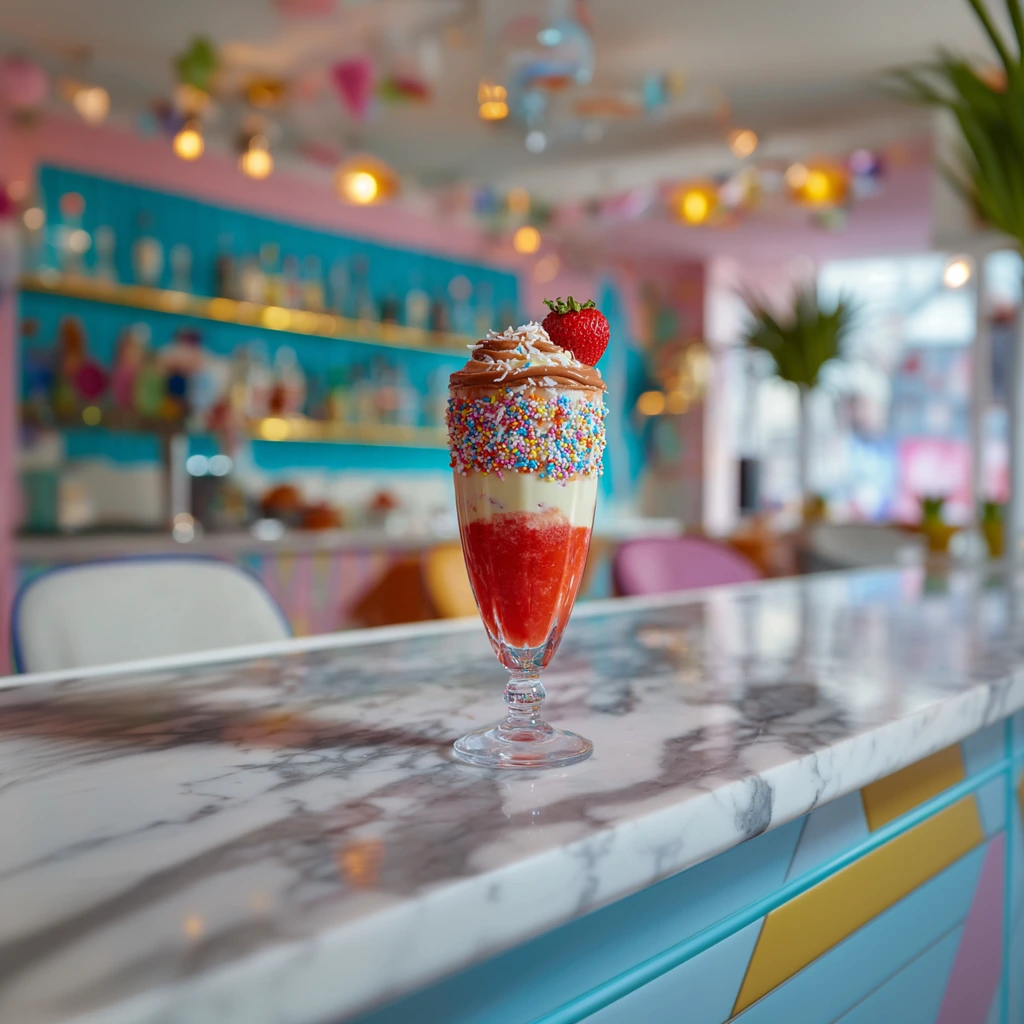
A frozen strawberry, lime and coconut rum drink inspired by the Fab ice lolly, finished with chocolate and sprinkles for full nostalgic effect.
Ingredients White rum, Strawberry Purée, Lime Juice, Coconut cream
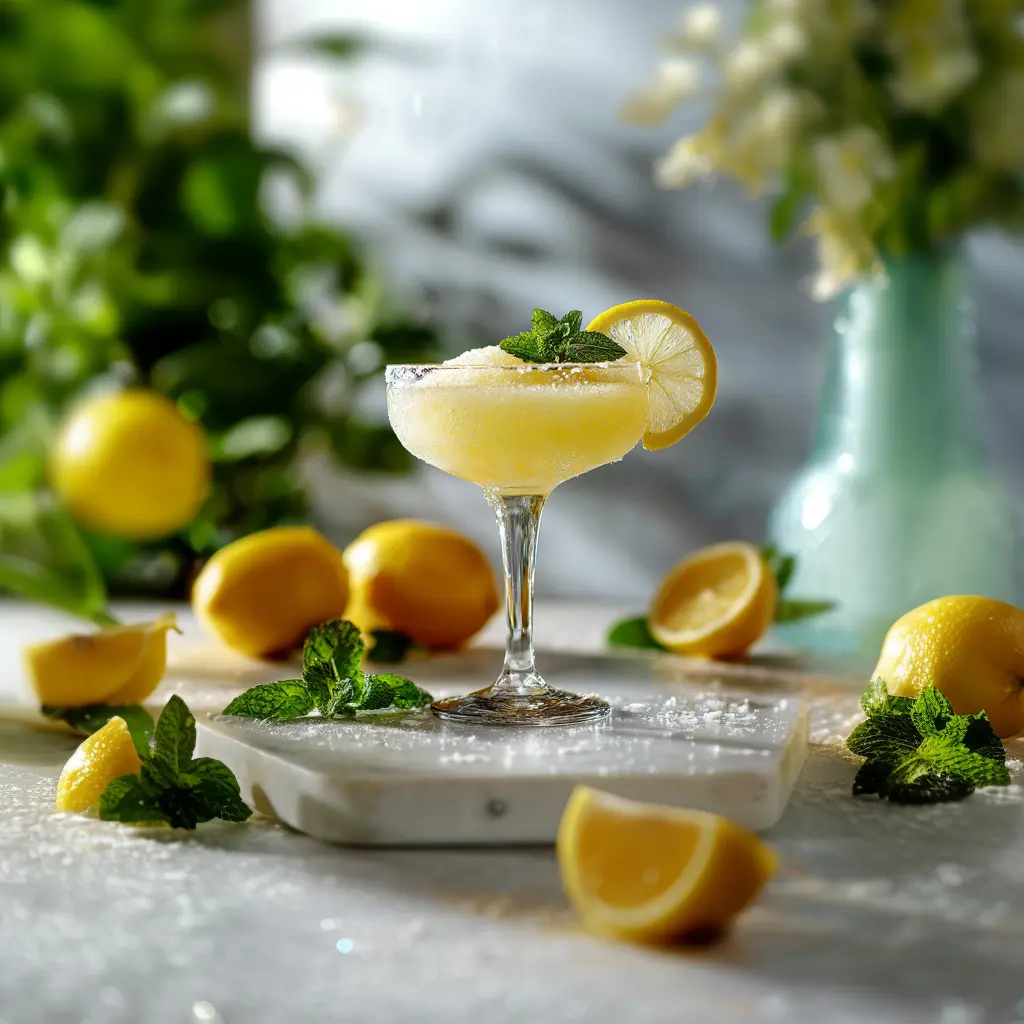
Frozen Lemon Daiquiri is cold, plush and holiday-minded, with Simple Syrup and Lemon Juice giving the drink a clearer flavour story and a more useful reason to make it.
Ingredients White Rum, Simple Syrup, Lemon Juice

A frozen rum and limoncello daiquiri with fresh lemon. Icy, bright, lemony and smooth.
Ingredients: Limoncello, white rum, lemon juice, simple syrup. Blend until smooth.

Frozen Tropical Daiquiri is cold, plush and holiday-minded, with White rum, pineapple juice, coconut cream and lime juice giving the drink a clearer flavour story and a more useful reason to make it.
Ingredients: White rum, pineapple juice, coconut cream, lime juice, simple syrup. Blend until smooth.
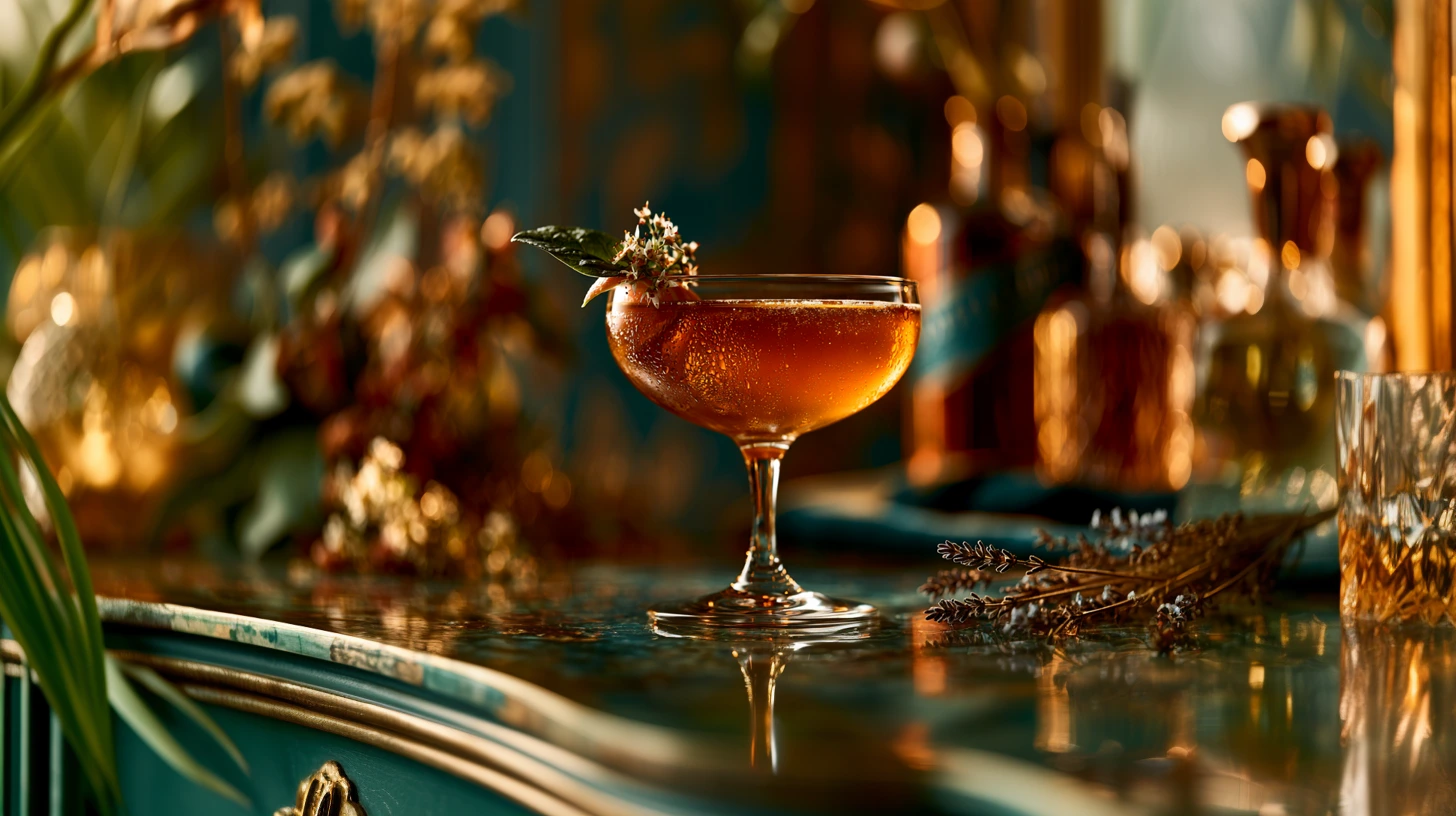
A sharp white-rum Daiquiri with guava fruit and a clean chilli finish.
Ingredients: White rum, Fresh lime juice, Guava purée, Simple syrup, Chilli syrup.
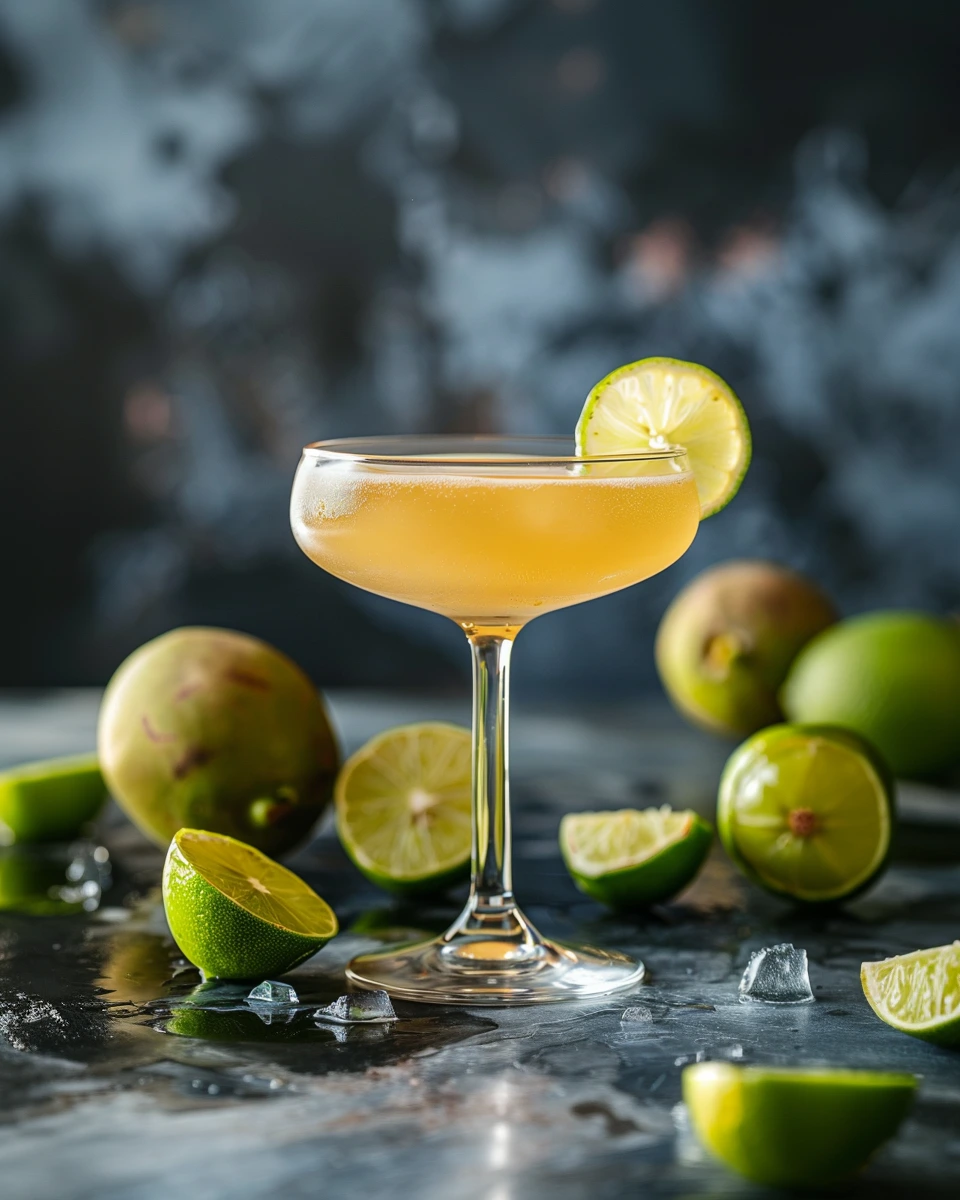
Havana Guava Daiquiri takes a Cuban-inspired direction, with guava fruit, lime bite and daiquiri clarity. It gives the drink a clearer sense of place than a generic modern cocktail.
Ingredients: White rum, Guava syrup, lime, and Lime Syrup.

The Hemingway Daiquiri, officially listed by the IBA as the Hemingway Special, is a dry, grapefruit-led rum sour with maraschino and fresh lime.
Ingredients: Light Rum, Grapefruit Juice, Maraschino Liqueur, and lime juice.
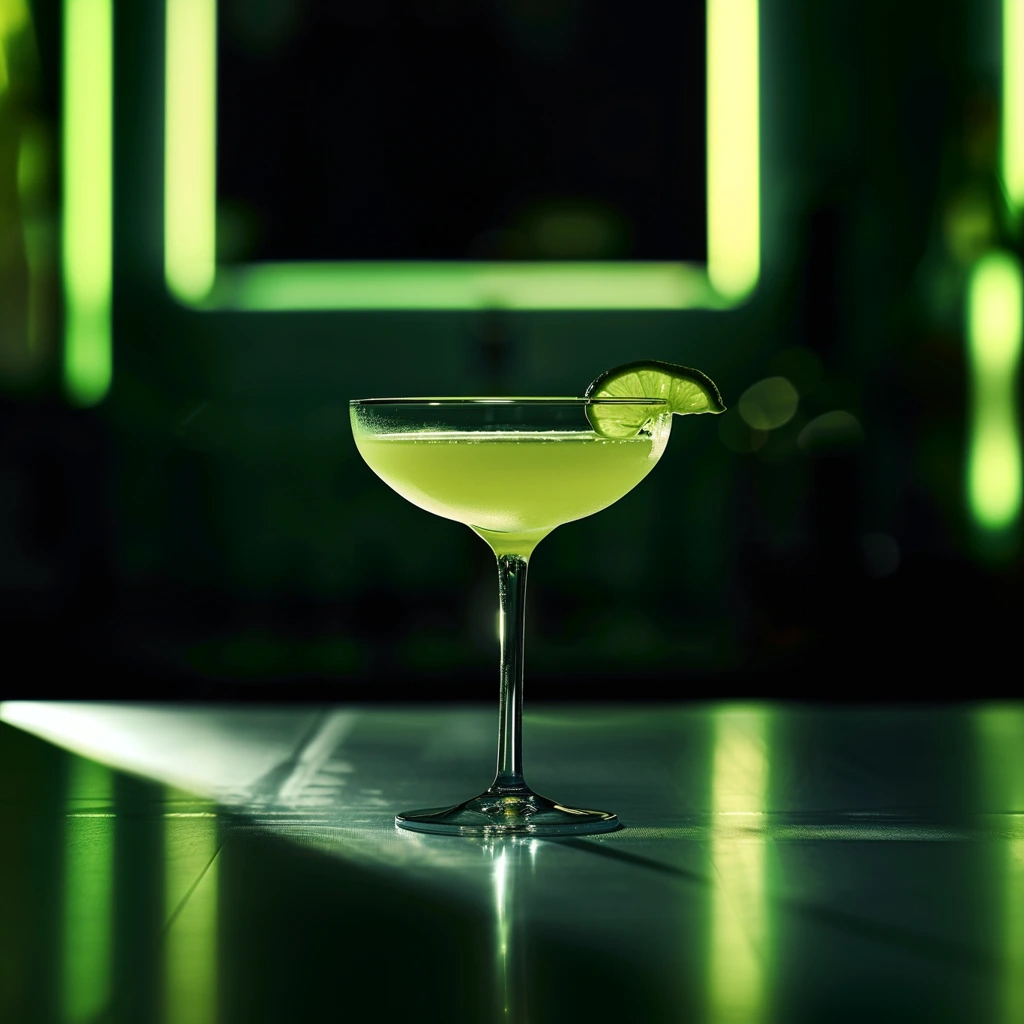
Nuclear Daiquiri is bright, tart and clean without feeling thin, with Overproof white rum, lime juice, Green Chartreuse and falernum giving the drink a clearer flavour story and a more useful reason to make it.
Ingredients: Overproof white rum, lime juice, Green Chartreuse, falernum, and ice. Shake and strain.
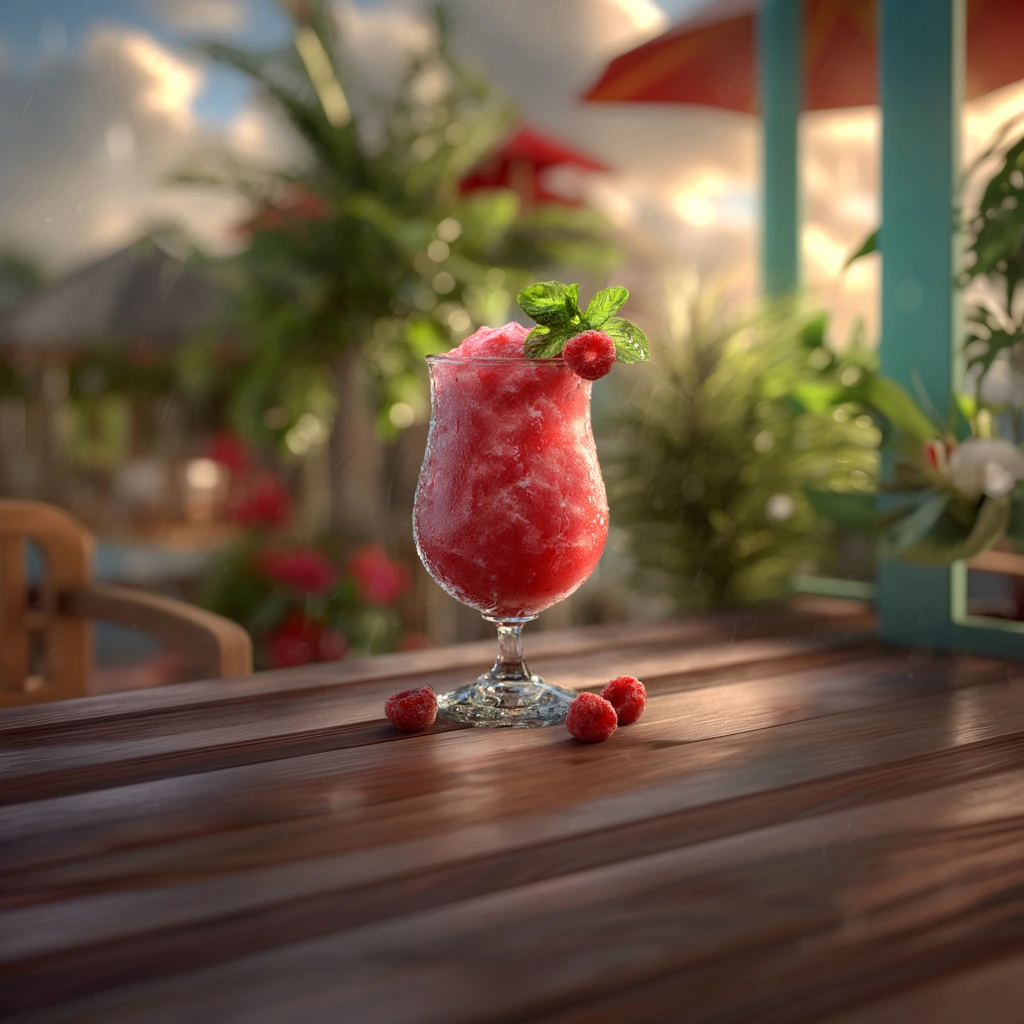
Raspberry Daiquiri is frosty, bright and beach-bar smooth, with White Rum, Simple Syrup and Raspberries giving the drink a clearer flavour story and a more useful reason to make it.
Ingredients: White Rum, Simple Syrup, Raspberries

A frozen rum cocktail where real strawberry, fresh lime and white rum do the work. Fruity, cold, bright and far better than the overly sweet versions.
Ingredients: White rum, strawberry puree, lime juice, simple syrup. Blend until smooth and serve cold.
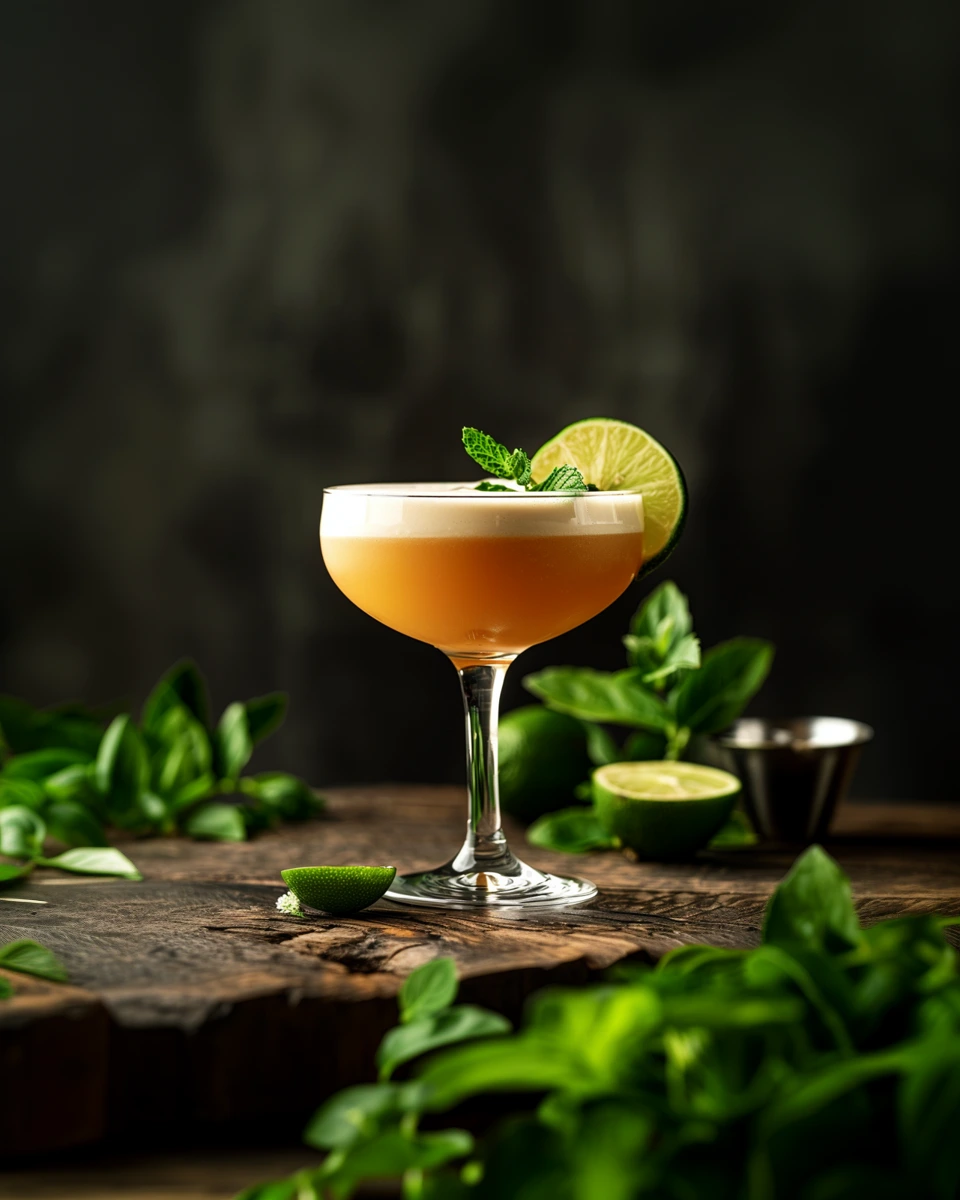
A silky rum sour that gives the Daiquiri a Thai iced tea twist.
Ingredients: White rum, lime juice, Thai tea syrup, condensed milk and orange bitters. Shake and serve chilled.