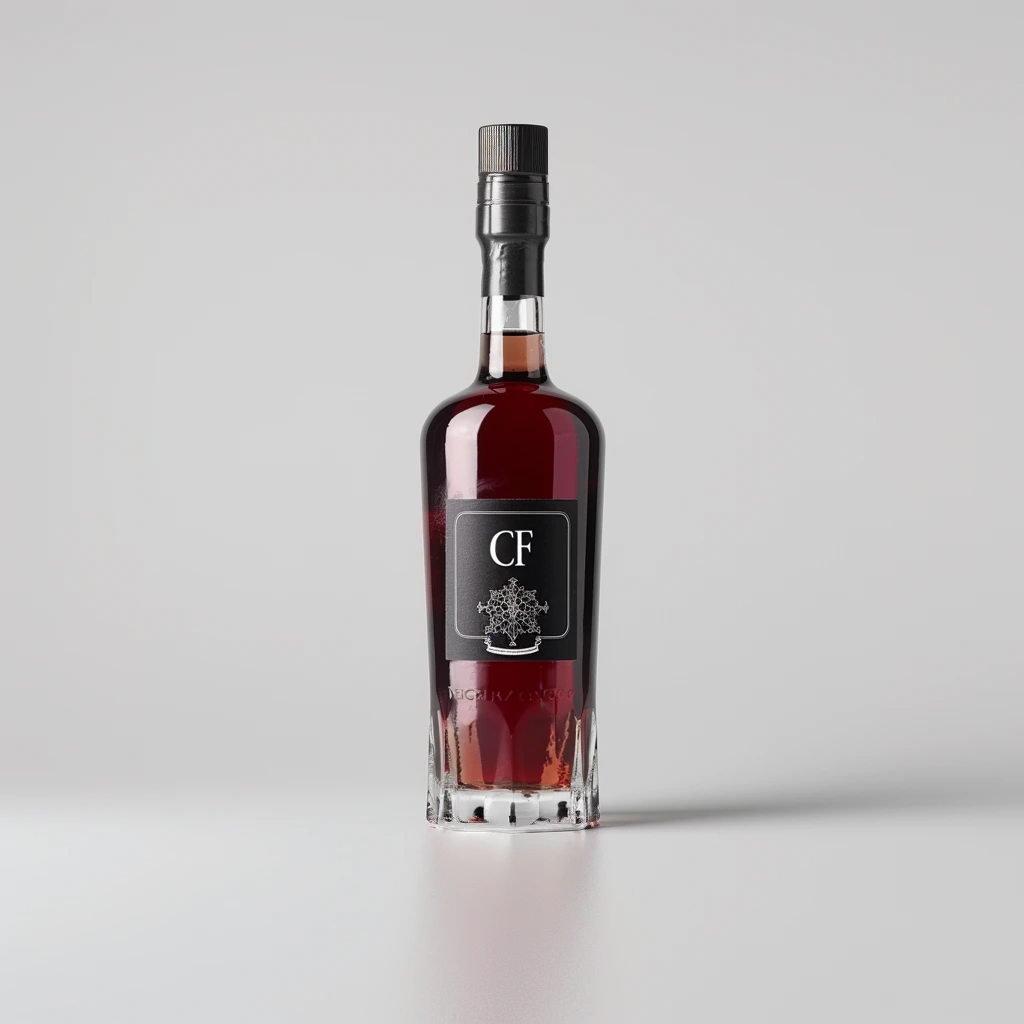
These are the bottles, modifiers, seasonings and finishing touches that give cocktails their lift, colour, bitterness, savoury edge, sweetness or signature twist.
Angostura Bitters
Bitters are concentrated flavouring drops used in small amounts to add balance, complexity, and lift. A few dashes can completely change how a cocktail feels.
Known for: Known for sharpening flavour, rounding sweetness, and tying spirit, citrus, and sugar together in a more complete way.
Popular types: Popular types include aromatic bitters, orange bitters, Peychaud's bitters, chocolate bitters, and celery bitters.
Popular brands: Popular brands include Angostura, Regans', Fee Brothers, Peychaud's, and The Bitter Truth.
A little history: Bitters have roots in medicinal tonics and apothecary traditions, but they quickly became one of the most important tools in cocktail history. Many classic cocktails would not taste complete without them.
Orange
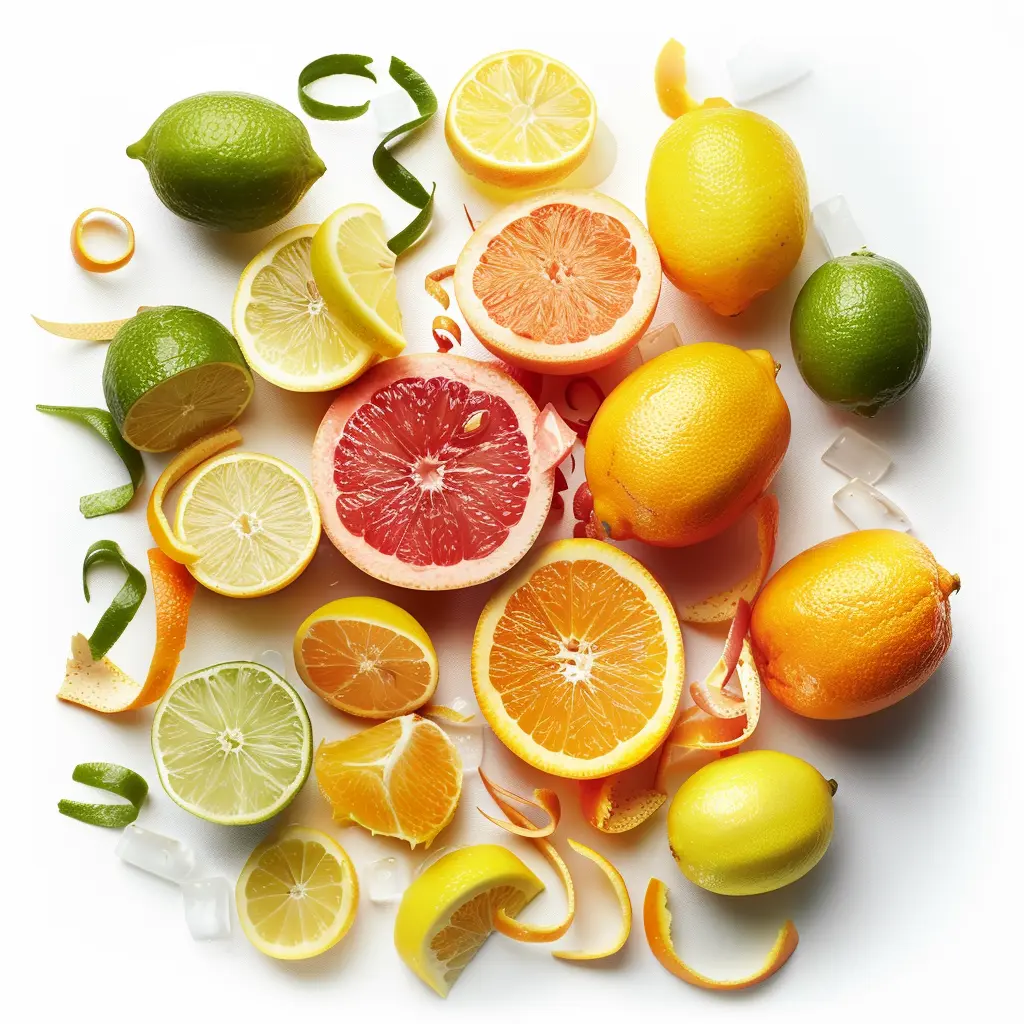
Fresh citrus is one of the true foundations of cocktail making. Lemon, lime, orange, and grapefruit bring brightness, acidity, freshness, and structure to the glass.
Known for: Known for lifting flavours, balancing sweetness, and making cocktails feel crisp, refreshing, and properly finished.
Popular types: Popular types include lemon juice, lime juice, orange juice, grapefruit juice, blood orange juice, and citrus peels used as garnish.
Popular brands: Fresh whole fruit matters more than brands here. Good lemons, limes, oranges, and grapefruit make an obvious difference in the glass.
A little history: Fresh citrus has always sat at the centre of punch culture and later cocktail culture because acidity is one of the most important parts of balance. Without it, many drinks feel flat or overly sweet.
lemon
Fresh citrus is one of the true foundations of cocktail making. Lemon, lime, orange, and grapefruit bring brightness, acidity, freshness, and structure to the glass.
Known for: Known for lifting flavours, balancing sweetness, and making cocktails feel crisp, refreshing, and properly finished.
Popular types: Popular types include lemon juice, lime juice, orange juice, grapefruit juice, blood orange juice, and citrus peels used as garnish.
Popular brands: Fresh whole fruit matters more than brands here. Good lemons, limes, oranges, and grapefruit make an obvious difference in the glass.
A little history: Fresh citrus has always sat at the centre of punch culture and later cocktail culture because acidity is one of the most important parts of balance. Without it, many drinks feel flat or overly sweet.
lime
Fresh citrus is one of the true foundations of cocktail making. Lemon, lime, orange, and grapefruit bring brightness, acidity, freshness, and structure to the glass.
Known for: Known for lifting flavours, balancing sweetness, and making cocktails feel crisp, refreshing, and properly finished.
Popular types: Popular types include lemon juice, lime juice, orange juice, grapefruit juice, blood orange juice, and citrus peels used as garnish.
Popular brands: Fresh whole fruit matters more than brands here. Good lemons, limes, oranges, and grapefruit make an obvious difference in the glass.
A little history: Fresh citrus has always sat at the centre of punch culture and later cocktail culture because acidity is one of the most important parts of balance. Without it, many drinks feel flat or overly sweet.
Grenadine
Syrups and sweeteners bring balance and texture to cocktails, helping soften acidity and integrate strong spirits into a more polished final drink.
Known for: Known for balancing sours, long drinks, daisies, smashes, and many modern creations.
Popular types: Popular types include simple syrup, demerara syrup, honey syrup, agave syrup, grenadine, maple syrup, and rich syrup.
Popular brands: These are often house-made or bar-made, though brands such as Monin and Giffard are also widely used.
A little history: Sugar has been a central pillar of drink-making since early punch traditions, and syrups remain one of the most important tools for consistency and balance.
Simple Syrup
Syrups and sweeteners bring balance and texture to cocktails, helping soften acidity and integrate strong spirits into a more polished final drink.
Known for: Known for balancing sours, long drinks, daisies, smashes, and many modern creations.
Popular types: Popular types include simple syrup, demerara syrup, honey syrup, agave syrup, grenadine, maple syrup, and rich syrup.
Popular brands: These are often house-made or bar-made, though brands such as Monin and Giffard are also widely used.
A little history: Sugar has been a central pillar of drink-making since early punch traditions, and syrups remain one of the most important tools for consistency and balance.
Cola
Mixers lengthen drinks, add fizz, and change texture, making them essential in both simple serves and more developed cocktail recipes.
Known for: Known for bringing refreshment, lift, dilution, and sparkle to long drinks and highballs.
Popular types: Popular types include soda water, tonic water, ginger beer, ginger ale, cola, lemonade, and sparkling water.
Popular brands: Popular brands include Fever-Tree, Schweppes, Double Dutch, Fentimans, and Franklin & Sons.
A little history: Mixers became increasingly important as long drinks and highballs gained popularity, especially in modern bar culture where refreshing serves play a huge role.
Ginger Beer
Mixers lengthen drinks, add fizz, and change texture, making them essential in both simple serves and more developed cocktail recipes.
Known for: Known for bringing refreshment, lift, dilution, and sparkle to long drinks and highballs.
Popular types: Popular types include soda water, tonic water, ginger beer, ginger ale, cola, lemonade, and sparkling water.
Popular brands: Popular brands include Fever-Tree, Schweppes, Double Dutch, Fentimans, and Franklin & Sons.
A little history: Mixers became increasingly important as long drinks and highballs gained popularity, especially in modern bar culture where refreshing serves play a huge role.
Soda Water
Mixers lengthen drinks, add fizz, and change texture, making them essential in both simple serves and more developed cocktail recipes.
Known for: Known for bringing refreshment, lift, dilution, and sparkle to long drinks and highballs.
Popular types: Popular types include soda water, tonic water, ginger beer, ginger ale, cola, lemonade, and sparkling water.
Popular brands: Popular brands include Fever-Tree, Schweppes, Double Dutch, Fentimans, and Franklin & Sons.
A little history: Mixers became increasingly important as long drinks and highballs gained popularity, especially in modern bar culture where refreshing serves play a huge role.
Mint Leaves
Garnishes are the final detail that complete a cocktail, adding aroma, presentation, and sometimes a subtle flavour cue before the first sip.
Known for: Known for improving first impressions and giving a cocktail its final bit of polish.
Popular types: Popular types include citrus twists, orange peel, lemon peel, lime wedges, maraschino cherries, olives, cocktail onions, mint sprigs, cucumber ribbons, and salt or sugar rims.
Popular brands: Common favourites include Luxardo cherries, fresh herbs, and good-quality citrus rather than one dominant brand.
A little history: Garnishing became more deliberate as cocktail presentation evolved, turning what was once a small practical touch into a major part of bar theatre and guest experience.
Orange Peel
Garnishes are the final detail that complete a cocktail, adding aroma, presentation, and sometimes a subtle flavour cue before the first sip.
Known for: Known for improving first impressions and giving a cocktail its final bit of polish.
Popular types: Popular types include citrus twists, orange peel, lemon peel, lime wedges, maraschino cherries, olives, cocktail onions, mint sprigs, cucumber ribbons, and salt or sugar rims.
Popular brands: Common favourites include Luxardo cherries, fresh herbs, and good-quality citrus rather than one dominant brand.
A little history: Garnishing became more deliberate as cocktail presentation evolved, turning what was once a small practical touch into a major part of bar theatre and guest experience.
Salt
Garnishes are the final detail that complete a cocktail, adding aroma, presentation, and sometimes a subtle flavour cue before the first sip.
Known for: Known for improving first impressions and giving a cocktail its final bit of polish.
Popular types: Popular types include citrus twists, orange peel, lemon peel, lime wedges, maraschino cherries, olives, cocktail onions, mint sprigs, cucumber ribbons, and salt or sugar rims.
Popular brands: Common favourites include Luxardo cherries, fresh herbs, and good-quality citrus rather than one dominant brand.
A little history: Garnishing became more deliberate as cocktail presentation evolved, turning what was once a small practical touch into a major part of bar theatre and guest experience.
Sugar
Garnishes are the final detail that complete a cocktail, adding aroma, presentation, and sometimes a subtle flavour cue before the first sip.
Known for: Known for improving first impressions and giving a cocktail its final bit of polish.
Popular types: Popular types include citrus twists, orange peel, lemon peel, lime wedges, maraschino cherries, olives, cocktail onions, mint sprigs, cucumber ribbons, and salt or sugar rims.
Popular brands: Common favourites include Luxardo cherries, fresh herbs, and good-quality citrus rather than one dominant brand.
A little history: Garnishing became more deliberate as cocktail presentation evolved, turning what was once a small practical touch into a major part of bar theatre and guest experience.
Bitters
Bitters are concentrated flavouring drops used in small amounts to add balance, complexity, and lift. Even a couple of dashes can change how a cocktail feels.
Known for: Sharpening flavour, rounding sweetness, and tying spirit, sugar, and citrus together.
Popular types: Aromatic bitters, orange bitters, Peychaud's bitters, chocolate bitters, and celery bitters.
Popular brands: Angostura, Regans', Fee Brothers, Peychaud's, and The Bitter Truth.
A little history: Bitters began as medicinal tonics before becoming one of the most important tools in cocktail history.
Benedictine
Bénédictine is a rich herbal French liqueur with honeyed spice, citrus, and warm botanical depth.
Known for: Adding layered herbal complexity to cocktails such as the Singapore Sling, Vieux Carré, and Bobby Burns.
Popular types: Classic stirred cocktails, split-base drinks, and richer herbal recipes.
Popular brands: Bénédictine DOM is the iconic original bottle.
A little history: Bénédictine has a long heritage in French liqueur making and remains one of the most distinctive supporting ingredients behind the bar.
Worcestershire Sauce
Worcestershire sauce is a deeply savoury seasoning ingredient used in small amounts to add umami, spice, and complexity to cocktails.
Known for: The Bloody Mary and other savoury brunch-style drinks.
Popular types: Classic Worcestershire sauce and premium small-batch savoury seasonings.
Popular brands: Lea & Perrins is the classic benchmark bottle.
A little history: Though originally a savoury table sauce, Worcestershire became a bar ingredient because of its ability to build depth in tomato-based and savoury cocktails.
Hot Sauce
Hot sauce brings chilli heat, brightness, and savoury kick to cocktails when used with care.
Known for: Bloody Marys and savoury cocktails that need spice and extra edge.
Popular types: Classic cayenne-style hot sauce, smoky hot sauce, and vinegar-led chilli sauces.
Popular brands: Tabasco, Cholula, and Frank's RedHot are common bar choices.
A little history: Hot sauce entered cocktail culture through savoury brunch drinks, where spice and acidity help build a fuller, more layered flavour.
Burrata Whey
Burrata Whey is used in selected modern Cocktail Fun recipes where its flavour has a specific job in the balance of the drink.
Known for: Fine-strain the fresh liquid from a just-opened burrata. Keep refrigerated and use the same day.
Popular types: Use a clean, well-made version of burrata whey and measure it accurately; these recipes are designed around a specific amount.
Popular brands: Quality and freshness matter more than any single brand. Choose a product that tastes balanced on its own before adding it to a cocktail.
A little history: Burrata Whey appears here as a contemporary cocktail ingredient, used to connect a recognisable classic structure with a more distinctive modern flavour.
Gochujang Syrup
Gochujang Syrup is used in selected modern Cocktail Fun recipes where its flavour has a specific job in the balance of the drink.
Known for: Whisk 1 part gochujang with 1 part agave syrup and 1 part hot water; cool completely before use.
Popular types: Use a clean, well-made version of gochujang syrup and measure it accurately; these recipes are designed around a specific amount.
Popular brands: Quality and freshness matter more than any single brand. Choose a product that tastes balanced on its own before adding it to a cocktail.
A little history: Gochujang Syrup appears here as a contemporary cocktail ingredient, used to connect a recognisable classic structure with a more distinctive modern flavour.
Tajín Seasoning
Tajín Seasoning is used in selected modern Cocktail Fun recipes where its flavour has a specific job in the balance of the drink.
Known for: Chilli-lime seasoning used sparingly for a half-rim or garnish.
Popular types: Use a clean, well-made version of tajín seasoning and measure it accurately; these recipes are designed around a specific amount.
Popular brands: Quality and freshness matter more than any single brand. Choose a product that tastes balanced on its own before adding it to a cocktail.
A little history: Tajín Seasoning appears here as a contemporary cocktail ingredient, used to connect a recognisable classic structure with a more distinctive modern flavour.
Hot Honey Syrup
Hot Honey Syrup is used in selected modern Cocktail Fun recipes where its flavour has a specific job in the balance of the drink.
Known for: Thin hot honey with an equal volume of warm water, then chill.
Popular types: Use a clean, well-made version of hot honey syrup and measure it accurately; these recipes are designed around a specific amount.
Popular brands: Quality and freshness matter more than any single brand. Choose a product that tastes balanced on its own before adding it to a cocktail.
A little history: Hot Honey Syrup appears here as a contemporary cocktail ingredient, used to connect a recognisable classic structure with a more distinctive modern flavour.
Toasted Rice Syrup
Toasted Rice Syrup is used in selected modern Cocktail Fun recipes where its flavour has a specific job in the balance of the drink.
Known for: Toast glutinous or jasmine rice until fragrant, steep in 1:1 sugar syrup for 20 minutes, then fine-strain and chill.
Popular types: Use a clean, well-made version of toasted rice syrup and measure it accurately; these recipes are designed around a specific amount.
Popular brands: Quality and freshness matter more than any single brand. Choose a product that tastes balanced on its own before adding it to a cocktail.
A little history: Toasted Rice Syrup appears here as a contemporary cocktail ingredient, used to connect a recognisable classic structure with a more distinctive modern flavour.
Orange Wine
Orange Wine is used in selected modern Cocktail Fun recipes where its flavour has a specific job in the balance of the drink.
Known for: Dry skin-contact white wine with enough tannin and freshness for a spritz.
Popular types: Use a clean, well-made version of orange wine and measure it accurately; these recipes are designed around a specific amount.
Popular brands: Quality and freshness matter more than any single brand. Choose a product that tastes balanced on its own before adding it to a cocktail.
A little history: Orange Wine appears here as a contemporary cocktail ingredient, used to connect a recognisable classic structure with a more distinctive modern flavour.
Cereal Milk
Cereal Milk is used in selected modern Cocktail Fun recipes where its flavour has a specific job in the balance of the drink.
Known for: Steep toasted cornflakes in cold whole milk for 20 minutes, then fine-strain and keep refrigerated.
Popular types: Use a clean, well-made version of cereal milk and measure it accurately; these recipes are designed around a specific amount.
Popular brands: Quality and freshness matter more than any single brand. Choose a product that tastes balanced on its own before adding it to a cocktail.
A little history: Cereal Milk appears here as a contemporary cocktail ingredient, used to connect a recognisable classic structure with a more distinctive modern flavour.
20% Saline Solution
20% Saline Solution is used in selected modern Cocktail Fun recipes where its flavour has a specific job in the balance of the drink.
Known for: Dissolve 20 g fine salt in 80 g water. Use by the drop.
Popular types: Use a clean, well-made version of 20% saline solution and measure it accurately; these recipes are designed around a specific amount.
Popular brands: Quality and freshness matter more than any single brand. Choose a product that tastes balanced on its own before adding it to a cocktail.
A little history: 20% Saline Solution appears here as a contemporary cocktail ingredient, used to connect a recognisable classic structure with a more distinctive modern flavour.
Mango Sorbet
Mango Sorbet is used in selected modern Cocktail Fun recipes where its flavour has a specific job in the balance of the drink.
Known for: Use a bright, fruit-forward mango sorbet rather than an overly creamy frozen dessert.
Popular types: Use a clean, well-made version of mango sorbet and measure it accurately; these recipes are designed around a specific amount.
Popular brands: Quality and freshness matter more than any single brand. Choose a product that tastes balanced on its own before adding it to a cocktail.
A little history: Mango Sorbet appears here as a contemporary cocktail ingredient, used to connect a recognisable classic structure with a more distinctive modern flavour.
Cocoa Powder
Cocoa Powder is used in selected modern Cocktail Fun recipes where its flavour has a specific job in the balance of the drink.
Known for: Unsweetened cocoa powder for a light aromatic dusting.
Popular types: Use a clean, well-made version of cocoa powder and measure it accurately; these recipes are designed around a specific amount.
Popular brands: Quality and freshness matter more than any single brand. Choose a product that tastes balanced on its own before adding it to a cocktail.
A little history: Cocoa Powder appears here as a contemporary cocktail ingredient, used to connect a recognisable classic structure with a more distinctive modern flavour.
Strawberry
Strawberry is used in selected modern Cocktail Fun recipes where its flavour has a specific job in the balance of the drink.
Known for: Fresh strawberry for muddling or garnish.
Popular types: Use a clean, well-made version of strawberry and measure it accurately; these recipes are designed around a specific amount.
Popular brands: Quality and freshness matter more than any single brand. Choose a product that tastes balanced on its own before adding it to a cocktail.
A little history: Strawberry appears here as a contemporary cocktail ingredient, used to connect a recognisable classic structure with a more distinctive modern flavour.