Cocktail Fun

Cocktail Glasses

Cocktail glasses do far more than make a drink look good. Their shape, size, rim, stem, and capacity all affect how a cocktail smells, tastes, stays cold, and feels in your hand. That is why bartenders do not choose glassware at random. Martini, coupe, highball, rocks, and Collins glasses are each designed to suit different drinks, from short spirit-forward serves to long refreshing mixes with ice and bubbles.

Some differences are practical, while others come from tradition. Stemmed glasses help keep drinks cold for longer, while heavier tumblers suit stronger cocktails served over ice. Even the rim shape changes the experience by affecting how aromas are delivered. In short, cocktail glasses are part science, part tradition, and part theatre. The right glass improves presentation, highlights flavour and aroma, and helps make a cocktail feel complete.

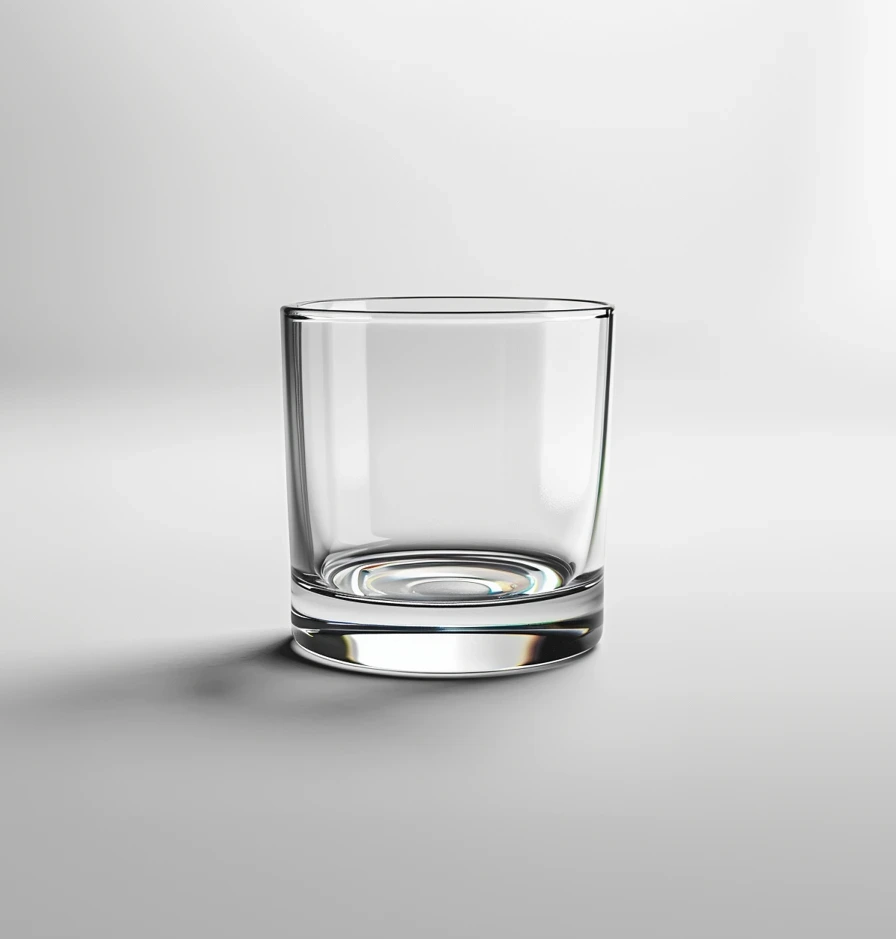
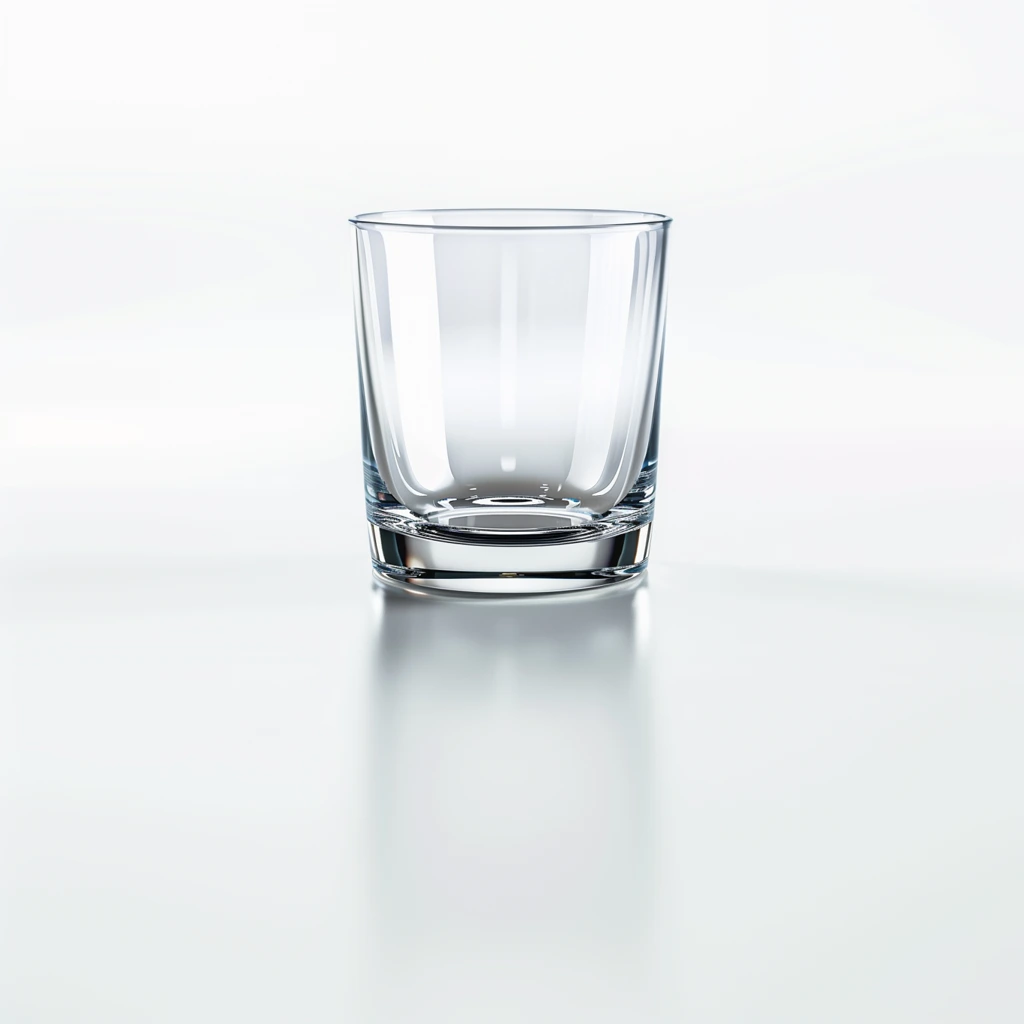
Lowball Glass

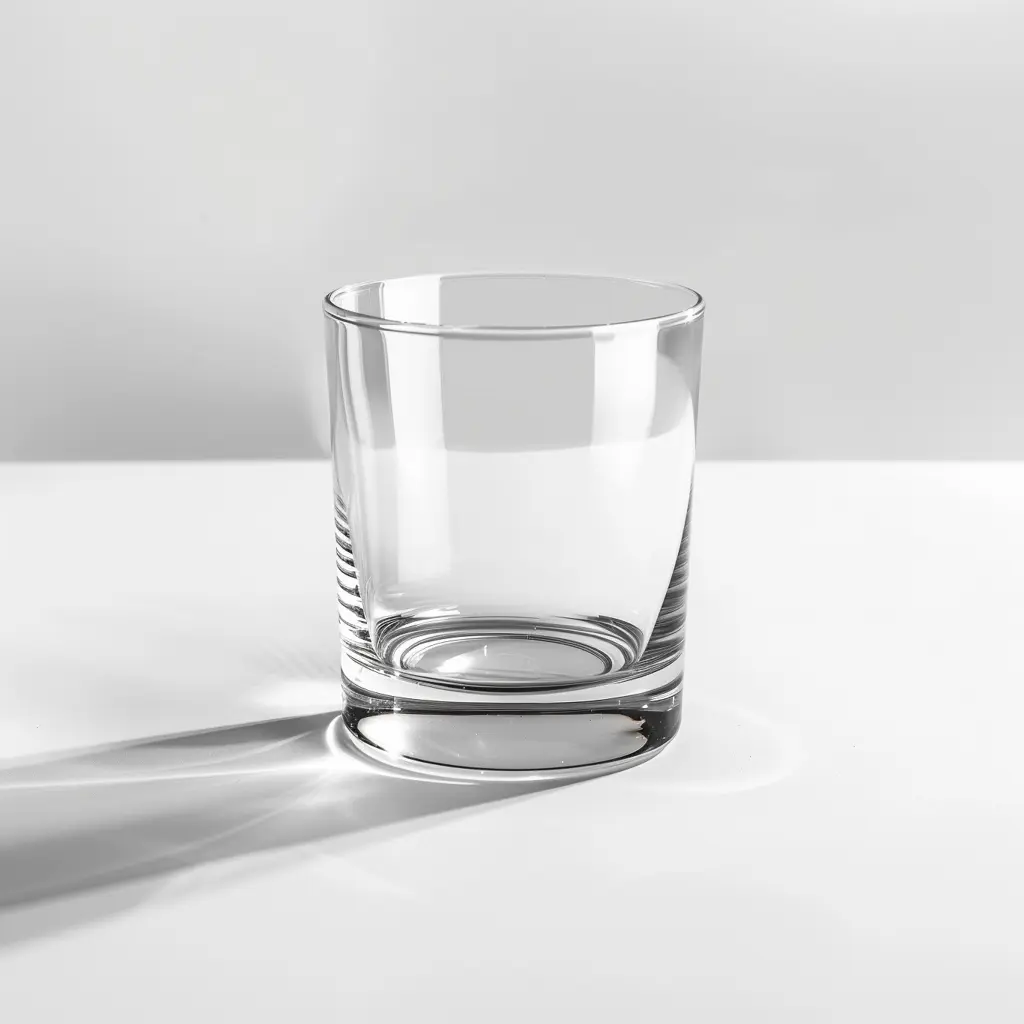
Lowball Glass

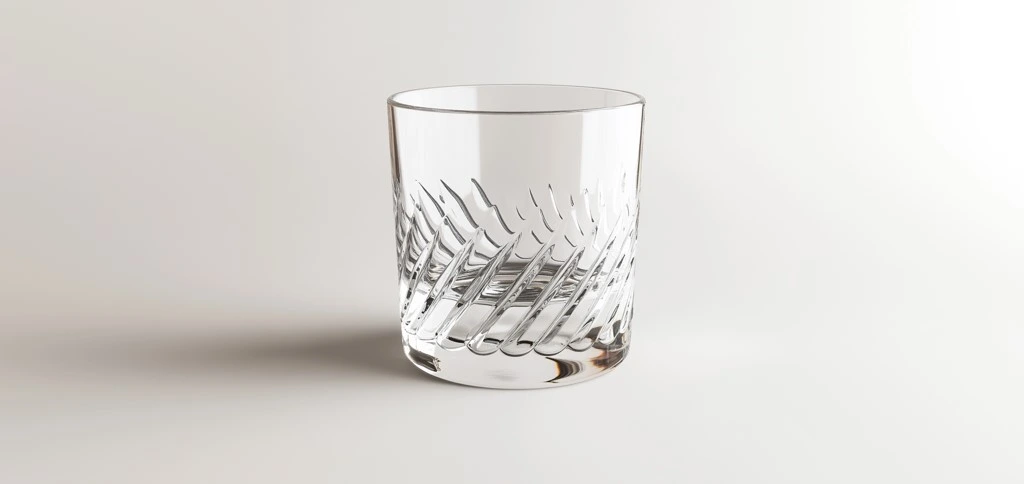
The lowball glass, also known as a rocks or Old Fashioned glass, is a staple for short cocktails. Its wide rim and heavy base make it ideal for drinks built over ice, stirred cocktails, and spirit-led serves where aroma and dilution matter.

Shape: Short, wide, heavy-bottomed tumbler.

Best for: Old Fashioned, Negroni, Boulevardier, Whiskey Sour over ice, Rusty Nail.

Garnish notes: Great for orange twists, cherries, and large clear ice cubes.

Typical capacity: 180–300 ml

Double Old Fashioned Glass

Double Old Fashioned Glass

The double Old Fashioned glass gives more room than a standard rocks glass, making it ideal for cocktails served with larger ice cubes, extra dilution space, or a more generous build.

Shape: Wider and roomier than a standard lowball.

Best for: Old Fashioned variations, mezcal serves, spirit-forward drinks with large ice.

Garnish notes: Works well with citrus peels, large cubes, and premium presentation.

Typical capacity: 300–470 ml

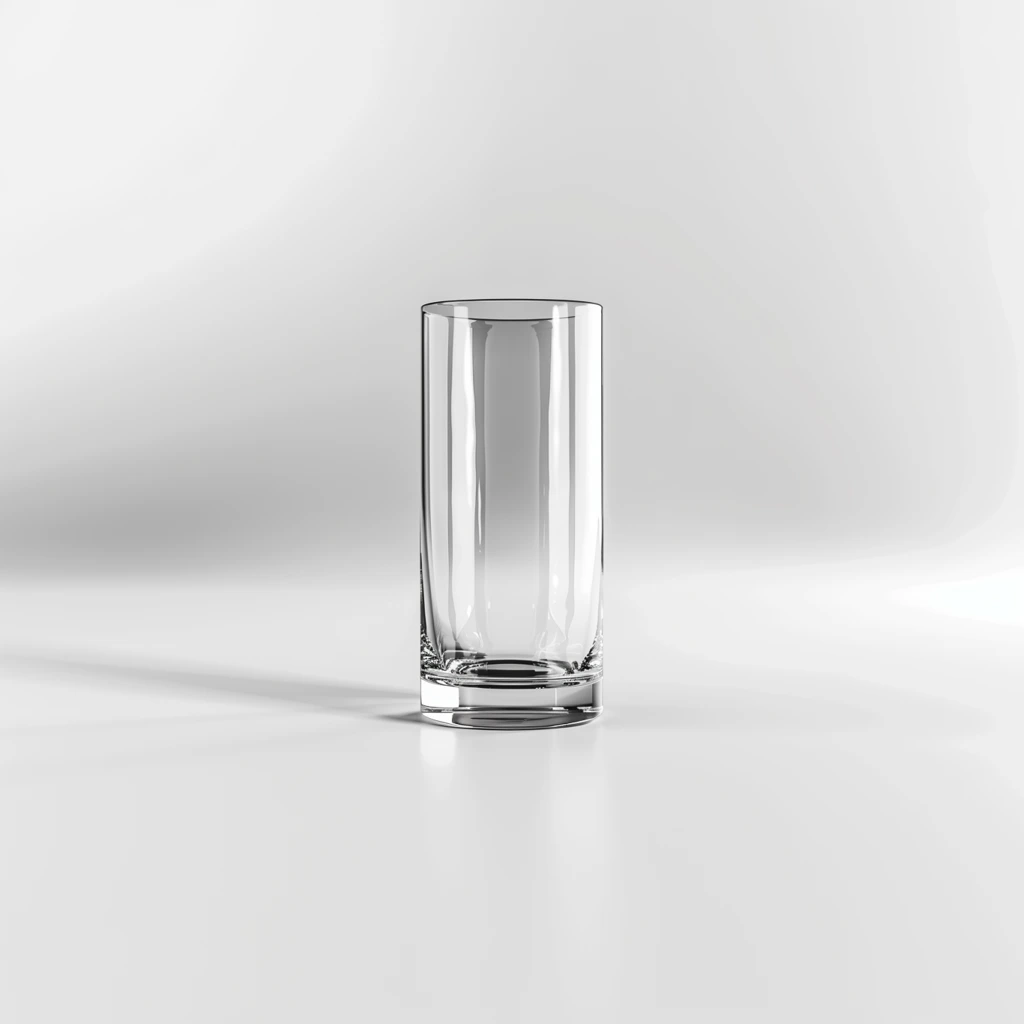
Highball Glass

Highball Glass

The highball glass is one of the most versatile cocktail glasses. It is perfect for long drinks, spirit-and-mixer serves, and cocktails built over ice with soda, tonic, or ginger beer.

Shape: Tall cylindrical shape with room for ice and mixer.

Best for: Moscow Mule, Dark and Stormy, Scotch Highball, Rum and Coke, Mojito variations.

Garnish notes: Good for wedges, spears, herbs, and long-drink garnishes.

Typical capacity: 240–350 ml

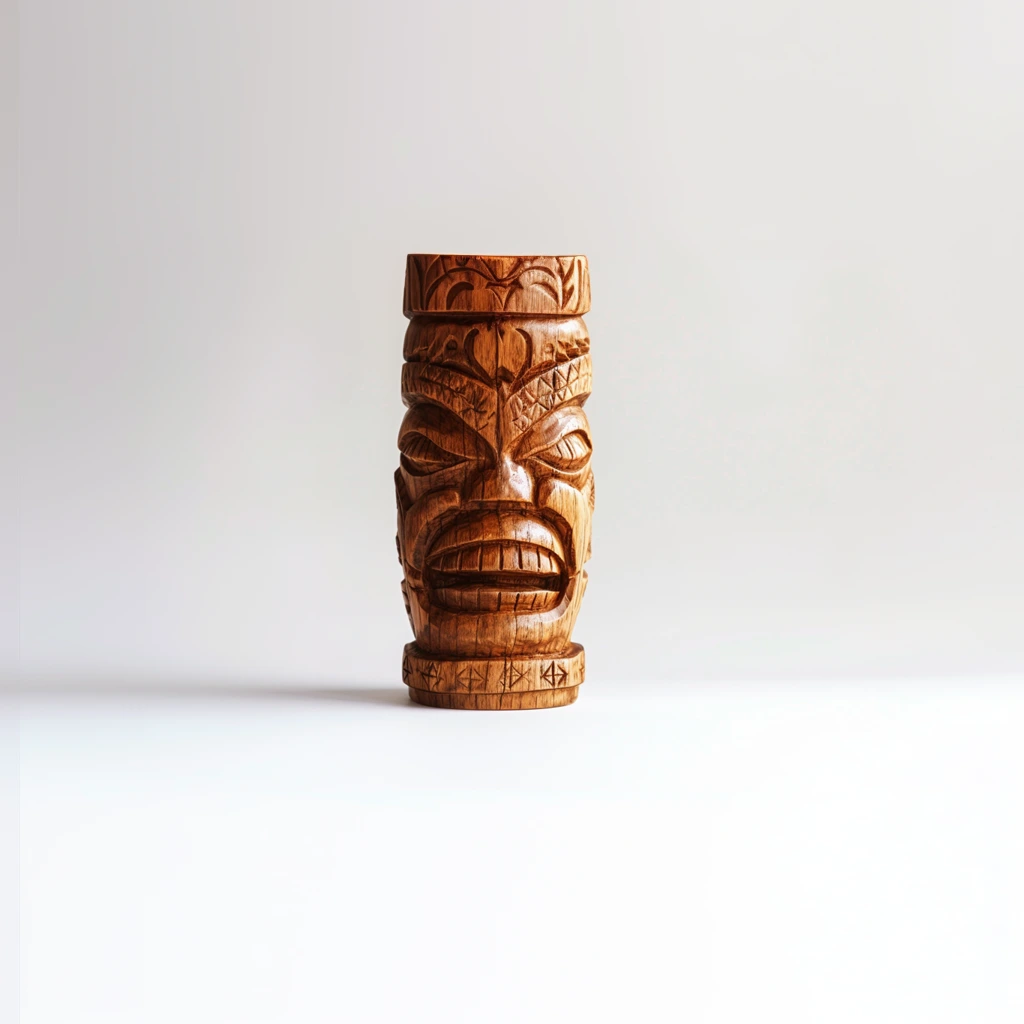
Zombie Glass

Zombie Glass

The zombie glass is traditionally used for strong tropical cocktails with multiple rums, fruit juices, and crushed ice. Its height gives the drink drama while containing a large, layered serve.

Shape: Tall and narrow with tiki-style presentation potential.

Best for: Zombie, Singapore Sling, tropical punches, tall tiki drinks.

Garnish notes: Ideal for mint bouquets, pineapple leaves, cherries, and straws.

Typical capacity: 350–470 ml

Collins Glass

Collins Glass

The Collins glass is ideal for mixed drinks with soda, tonic, juice, or crushed ice. Its tall shape gives room for lengthened serves and layered presentation, making it one of the most useful glasses for refreshing cocktails.

Shape: Tall, straight-sided, narrower than a highball.

Best for: Mojito, Tom Collins, Paloma, Gin Fizz, long refreshing cocktails.

Garnish notes: Excellent for mint sprigs, lime wedges, citrus wheels, and straws.

Typical capacity: 300–410 ml

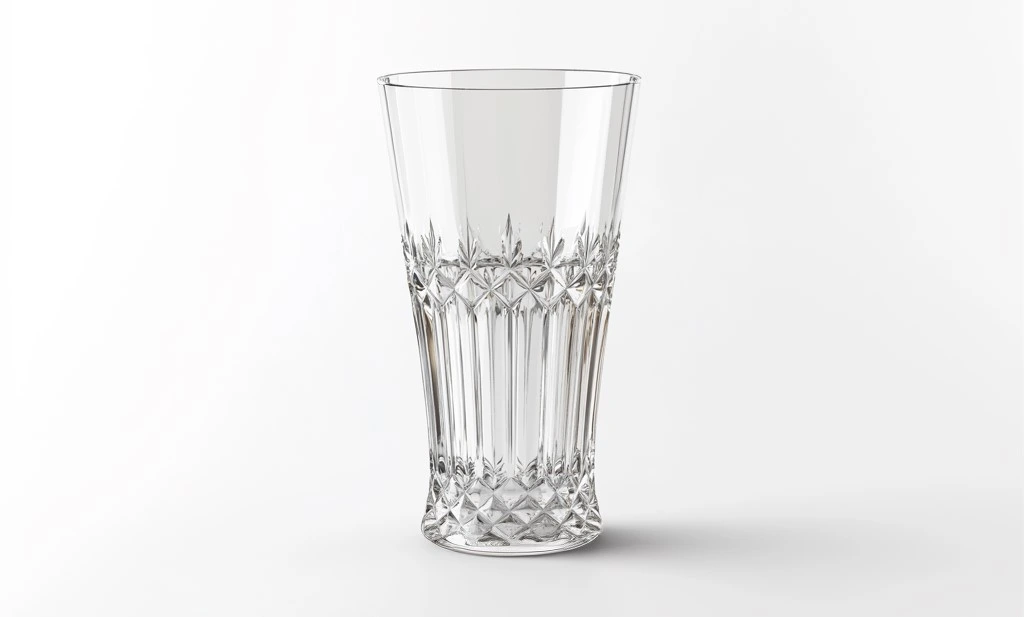
Hurricane Glass

Hurricane Glass

The hurricane glass is designed for dramatic presentation, making it popular for tropical cocktails and colourful party drinks. Its large capacity is ideal for crushed ice, layered colours, and elaborate garnishes.

Shape: Tall, curved bowl with a festive silhouette.

Best for: Hurricane, Piña Colada, Zombie, Rum Punch, tropical punches.

Garnish notes: Perfect for pineapple leaves, cherries, orange slices, and paper umbrellas.

Typical capacity: 350–500 ml

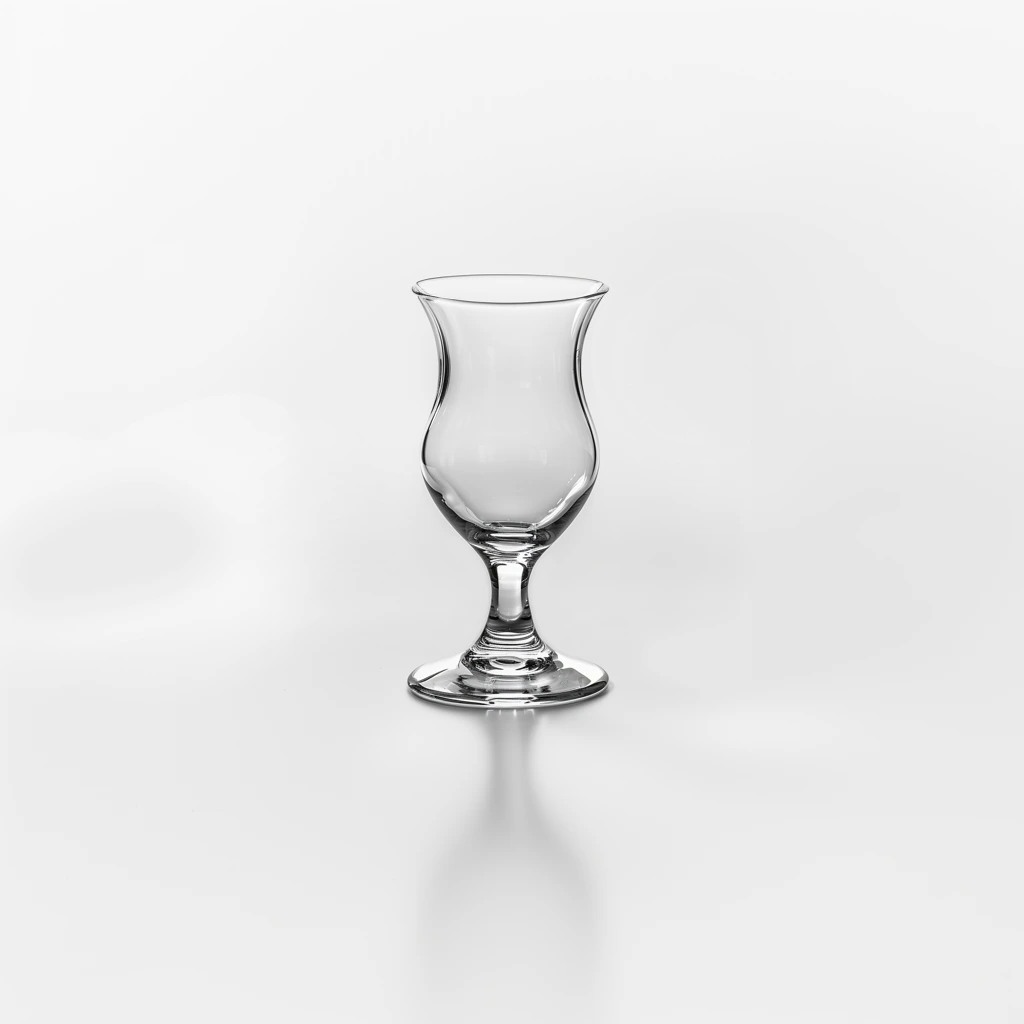
Poco Grande Glass

Poco Grande Glass

The poco grande glass combines the flair of a hurricane glass with a shorter stemmed silhouette. It is especially popular for frozen cocktails and creamy tropical drinks.

Shape: Curved bowl on a short stem.

Best for: Piña Colada, frozen Daiquiri, creamy tropical cocktails.

Garnish notes: Excellent for fruit wedges, cherries, pineapple fronds, and umbrellas.

Typical capacity: 300–450 ml

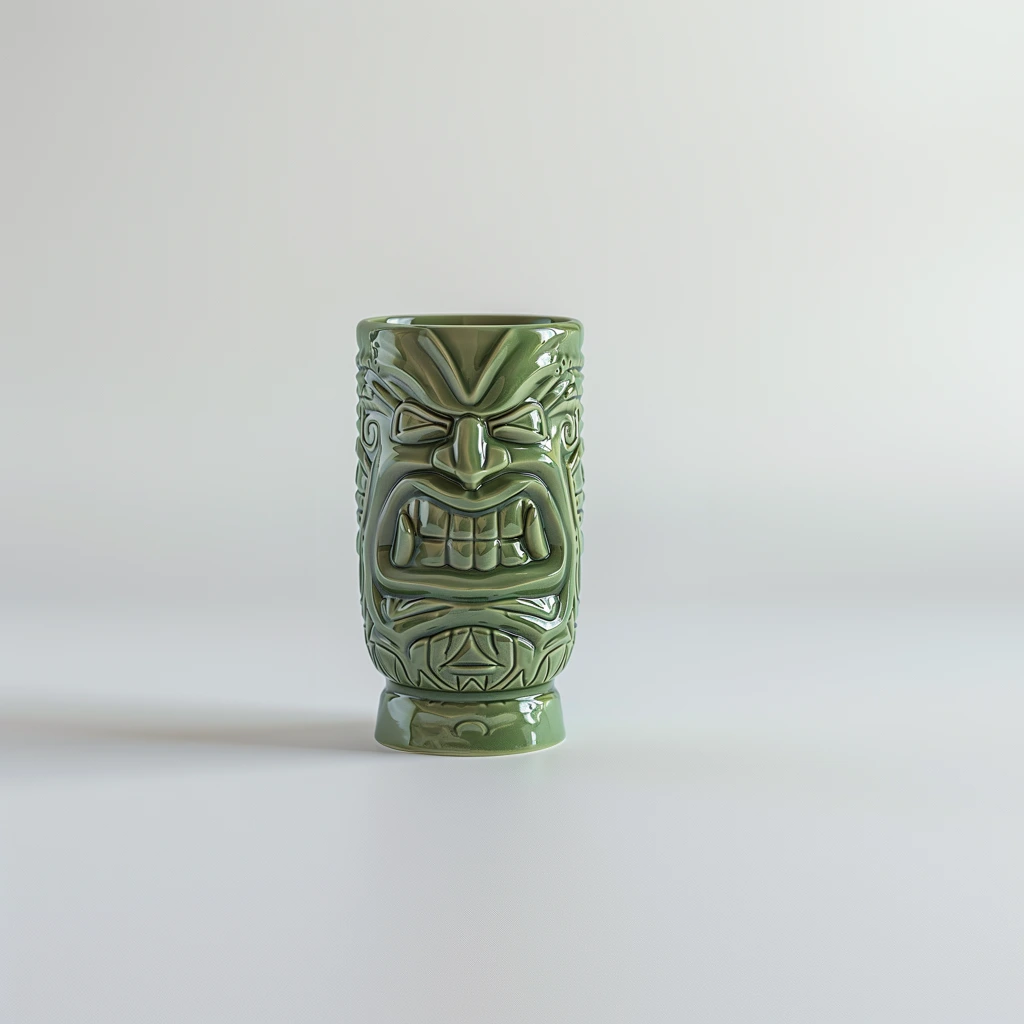
Tiki Mug

Tiki Mug

The tiki mug is more than glassware; it is part of the experience. Usually ceramic and richly designed, it is used for tropical cocktails with strong visual identity and layered rum flavours.

Shape: Decorative mug or vessel, often ceramic.

Best for: Mai Tai variations, Zombie, Navy Grog, Scorpion, tropical rum drinks.

Garnish notes: Pairs well with mint bouquets, flaming garnishes, pineapple fronds, and over-the-top presentation.

Typical capacity: 300–500 ml

Mai Tai Glass

Mai Tai Glass

This style is commonly used for tropical cocktails that benefit from a shorter, wider glass with plenty of room for crushed ice and garnish.

Shape: Short tumbler with enough room for crushed ice.

Best for: Mai Tai, Jungle Bird, tiki-style rum drinks.

Garnish notes: Ideal for mint, spent lime shells, pineapple leaves, and dramatic garnish sets.

Typical capacity: 300–400 ml

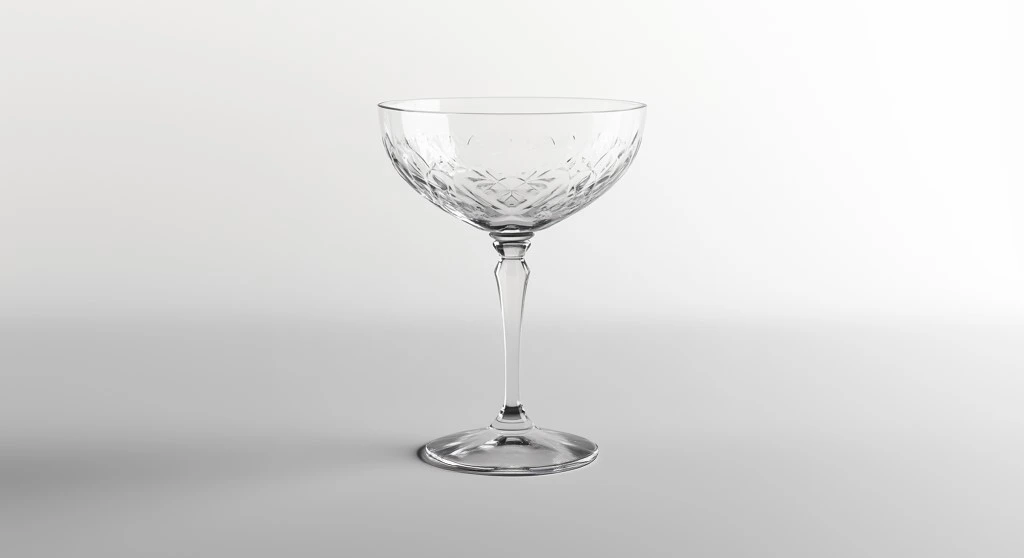
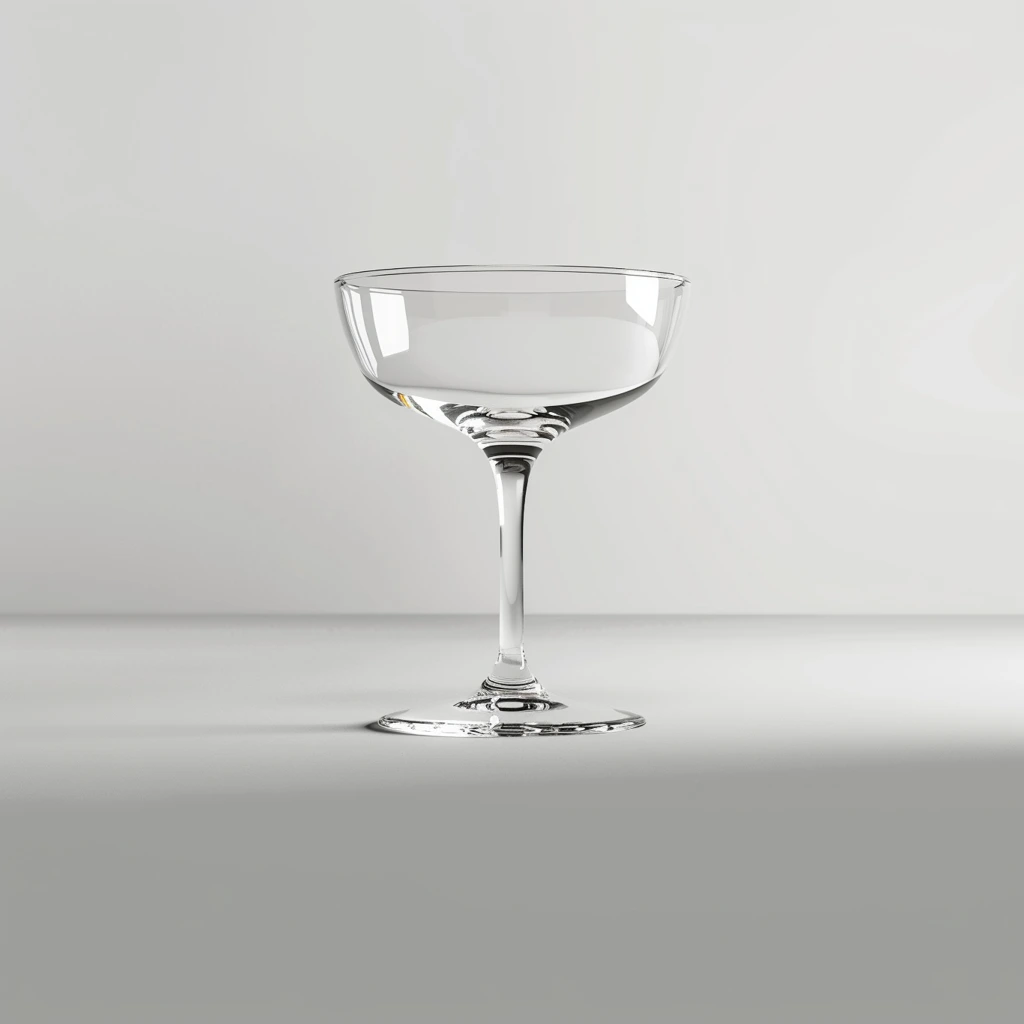
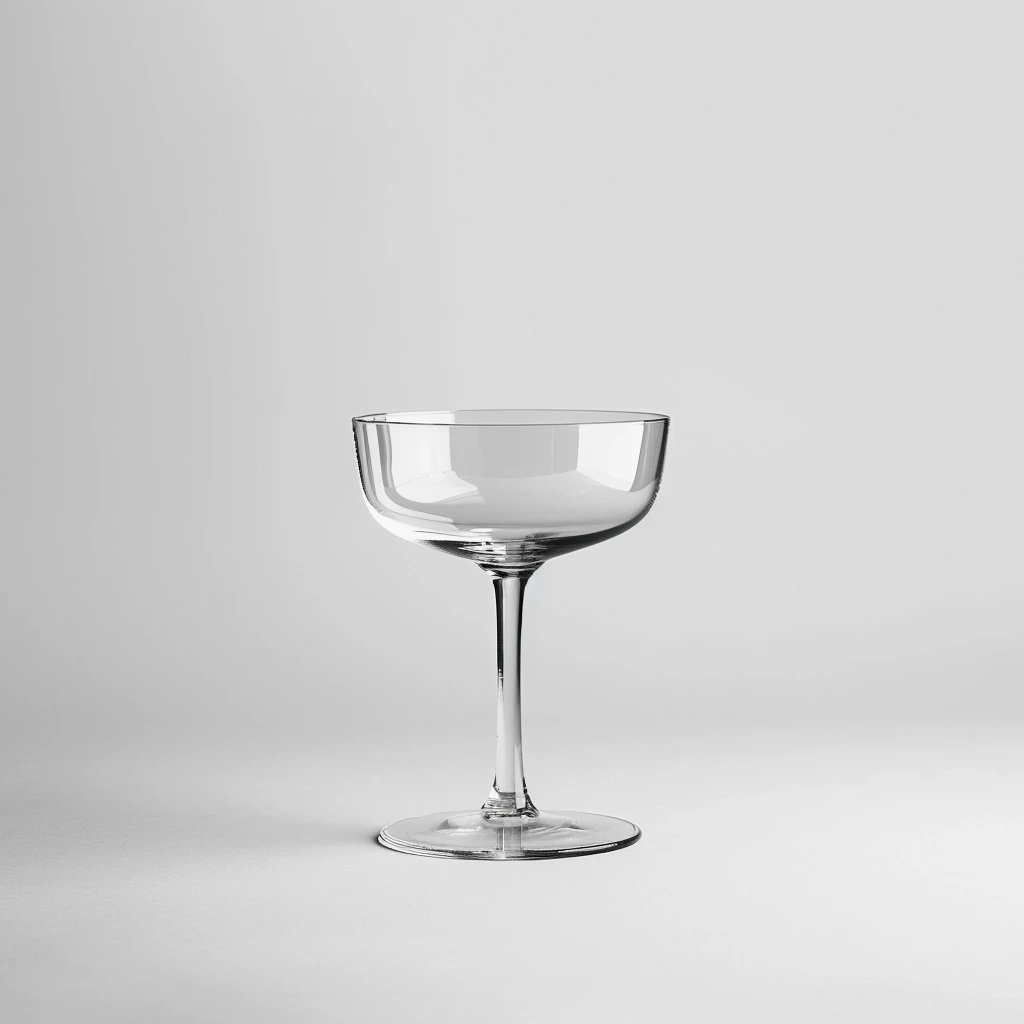
Coupe Glass

Coupe Glass

The coupe glass is a modern favourite for classic cocktails served without ice. It combines elegance with practicality, helping prevent spills while keeping drinks stylish and refined.

Shape: Stemmed glass with a broad shallow bowl.

Best for: Daiquiri, Sidecar, Manhattan served up, Gimlet, Clover Club.

Garnish notes: Great for expressed citrus peels, cherries, and small edible flowers.

Typical capacity: 120–240 ml

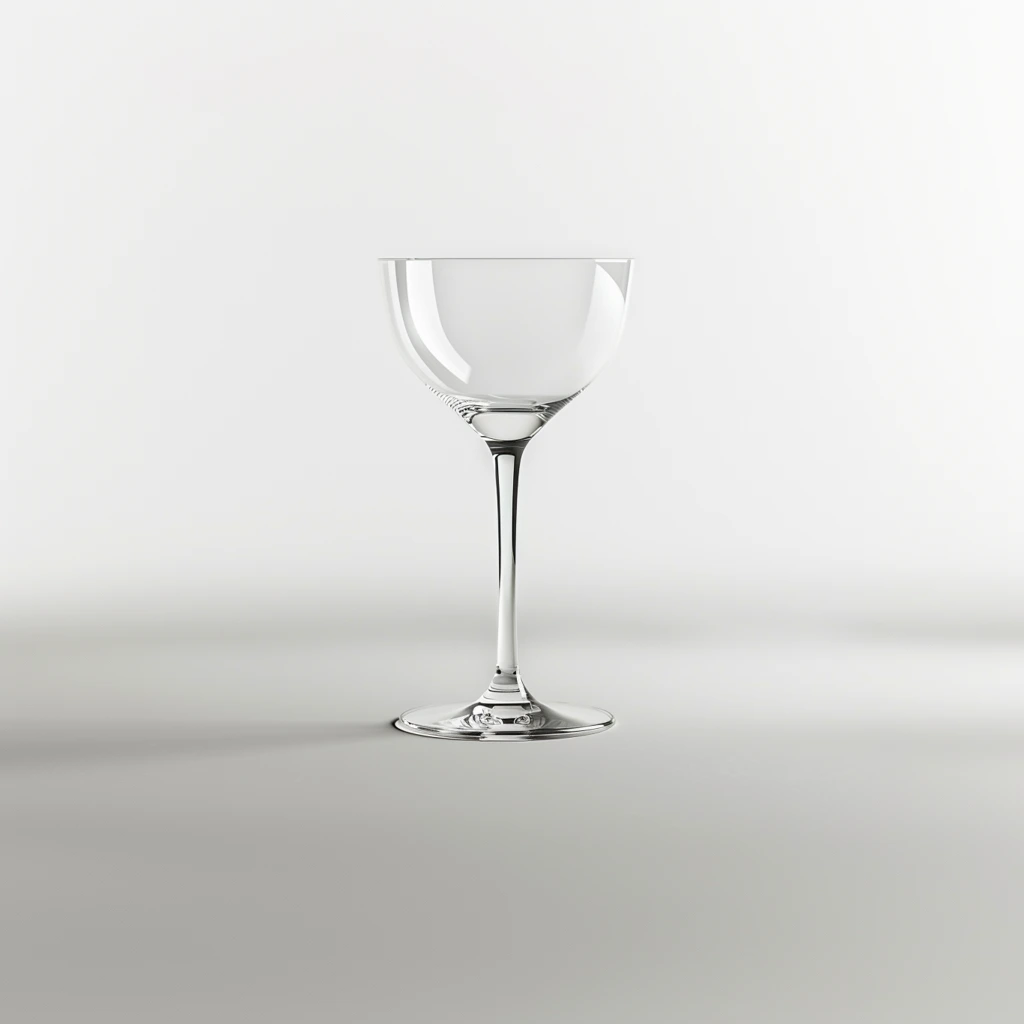
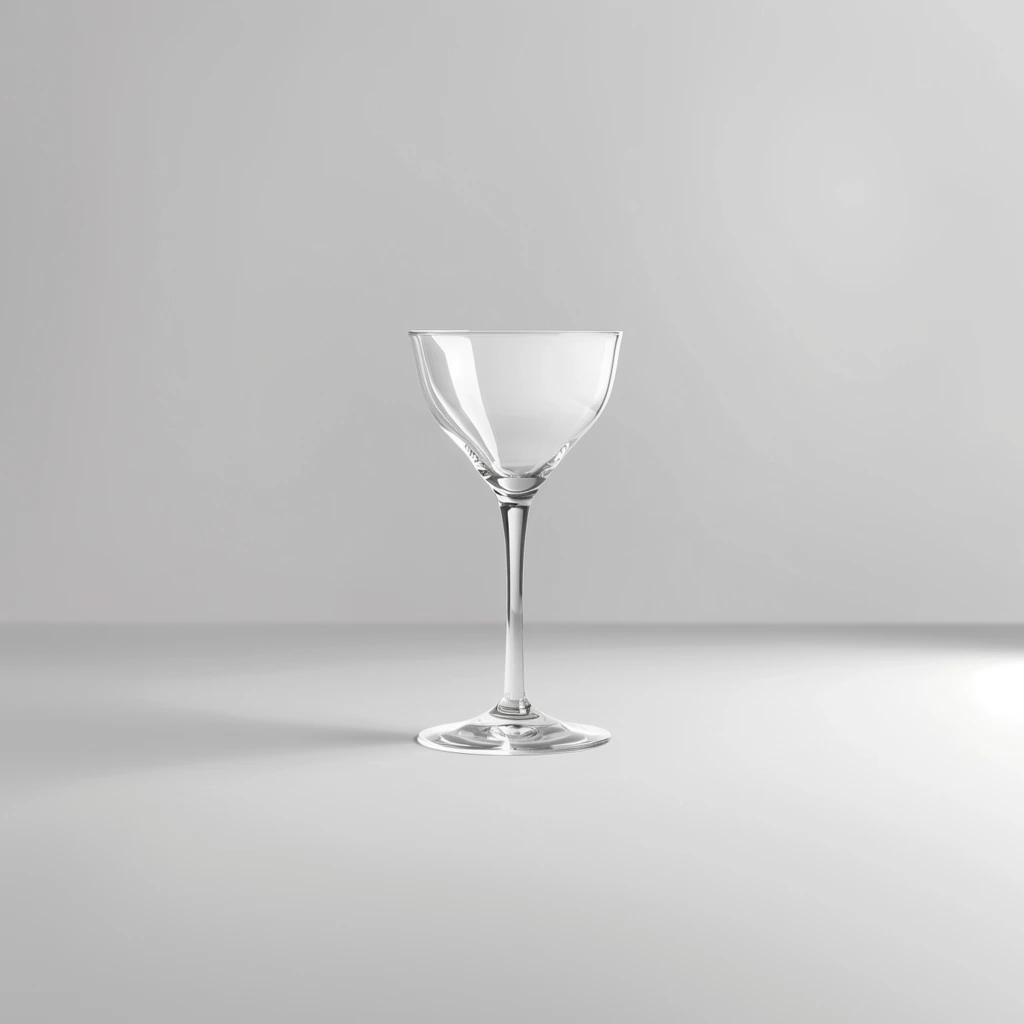
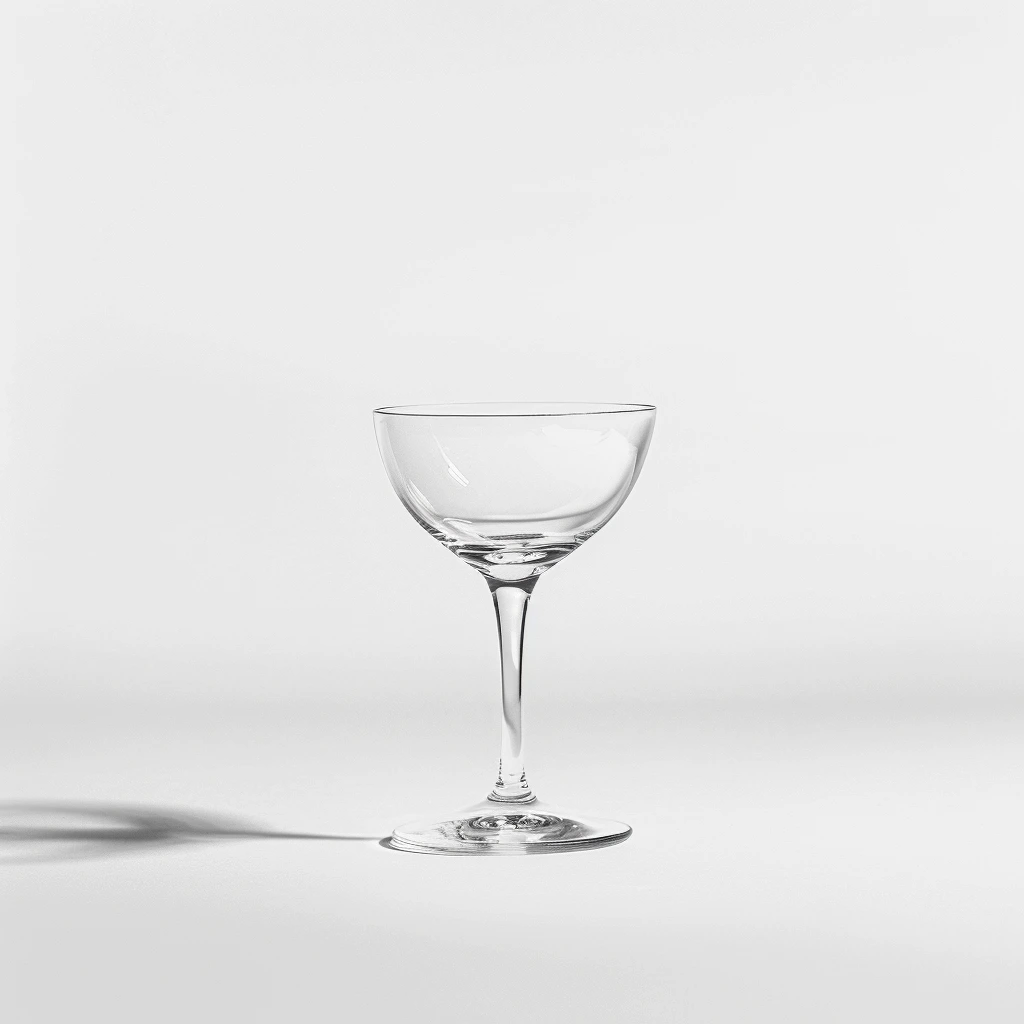
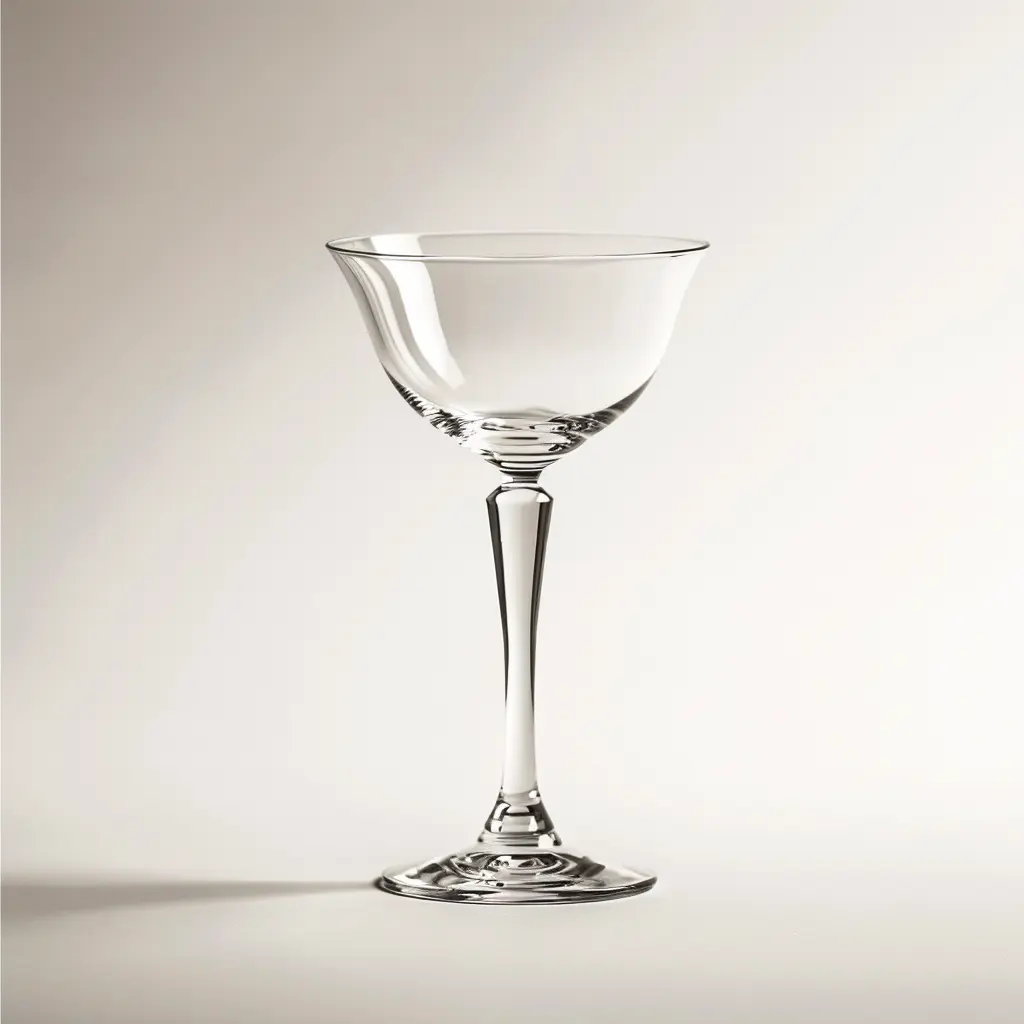
Nick and Nora Glass

Nick and Nora Glass

The Nick and Nora glass has become a favourite in premium bars for classic cocktails served up. Smaller and more practical than a martini glass, it keeps the drink focused and elegant.

Shape: Small stemmed bowl with inward curve.

Best for: Martinez, Manhattan, Brooklyn, Vesper, Adonis.

Garnish notes: Best with subtle garnishes like twists or a single cherry.

Typical capacity: 120–180 ml

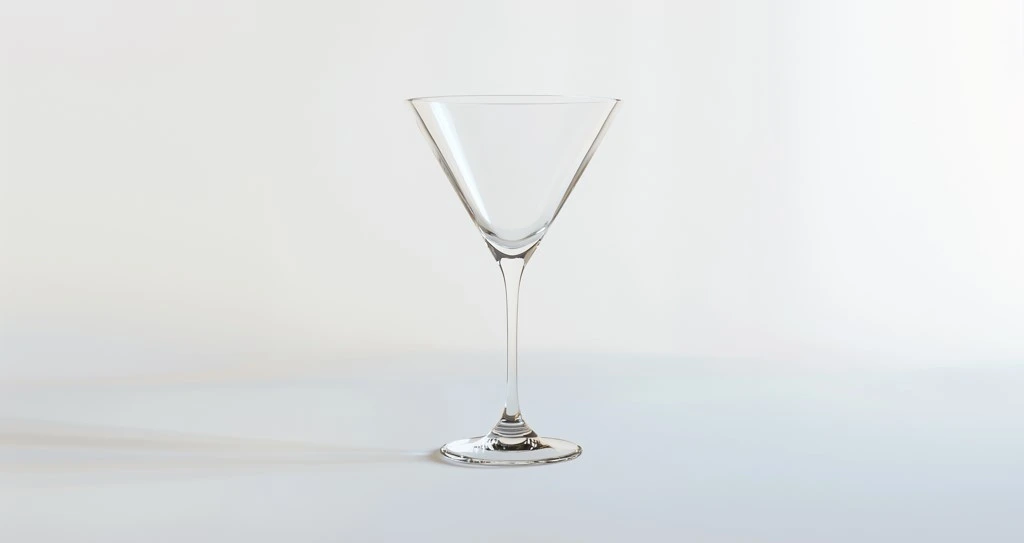
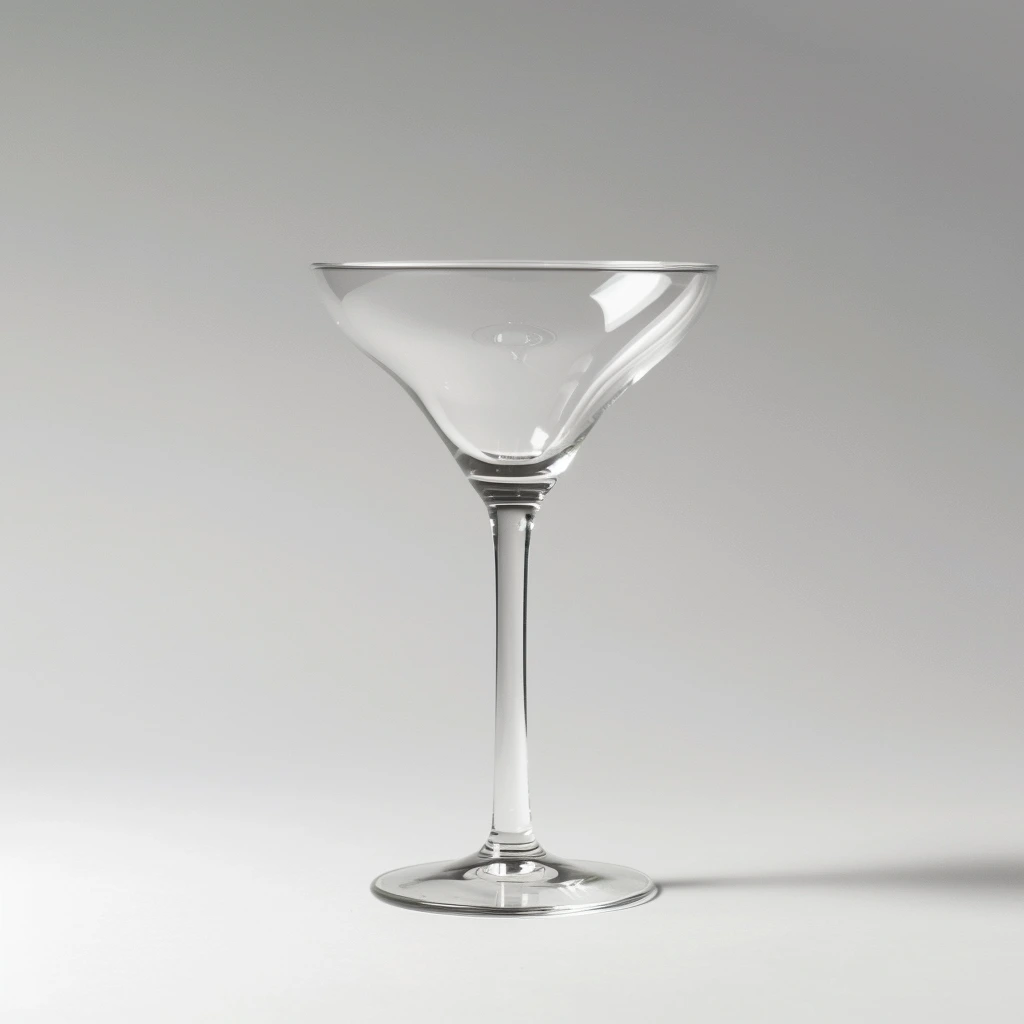
Martini Glass

Martini Glass

The martini glass is one of the most recognisable styles in cocktail culture. Its angular bowl gives a striking presentation for spirit-led drinks served without ice.

Shape: Stemmed V-shaped bowl.

Best for: Martini, Cosmopolitan, Espresso Martini, Lemon Drop, Appletini.

Garnish notes: Works well with olives, citrus twists, cocktail onions, or neat rim presentation.

Typical capacity: 120–220 ml

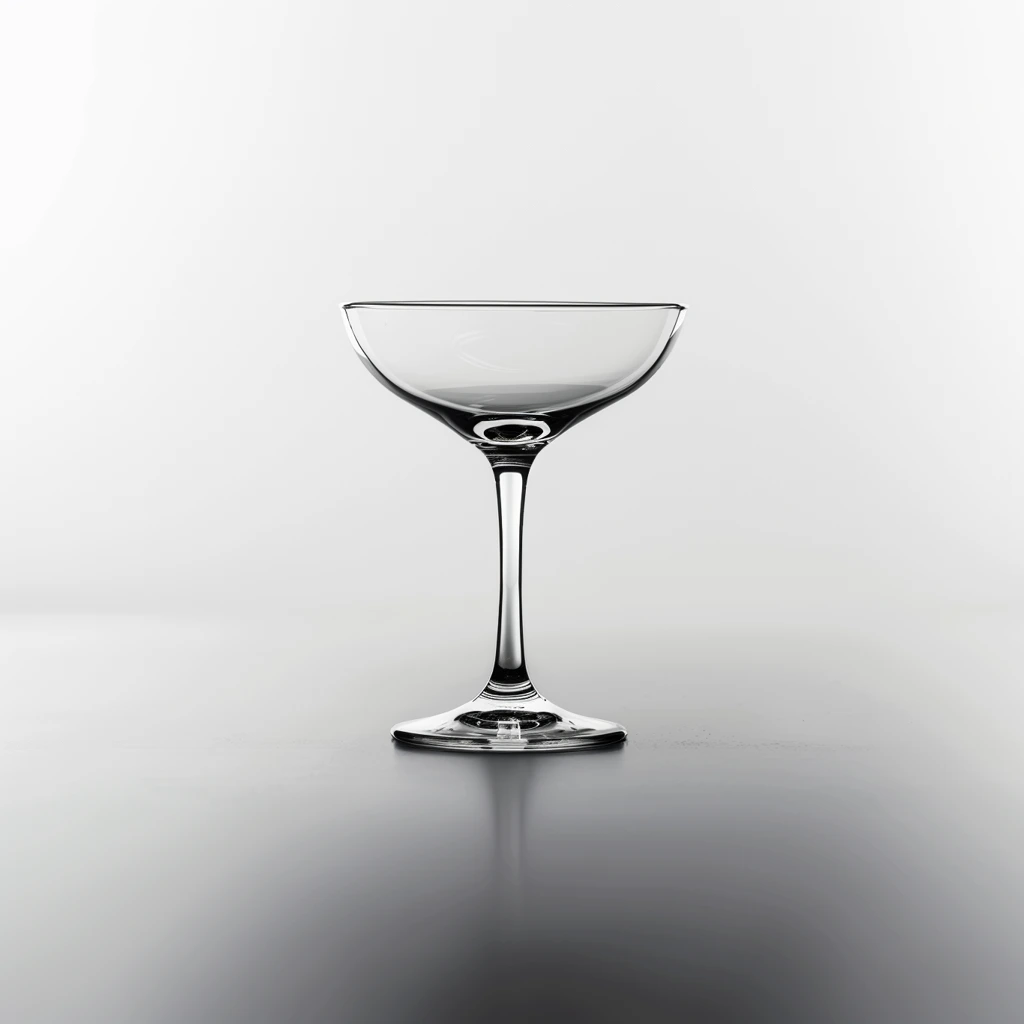
Coupette Glass

Coupette Glass

The coupette combines some of the softness of a coupe with the slightly more upright shape of a martini-style glass. It is popular in modern cocktail bars.

Shape: Refined stemmed glass with a more contained bowl.

Best for: Modern classics, sours served up, elegant signature cocktails.

Garnish notes: Good for fine twists, cherries, dehydrated citrus, and delicate garnish work.

Typical capacity: 120–220 ml

Sour Glass

Sour Glass

The sour glass is less common now but remains useful for smaller cocktails served up, especially citrus-forward classics.

Shape: Compact stemmed bowl for smaller serves.

Best for: Pisco Sour, small Daiquiris, classic sours.

Garnish notes: Best with minimal garnish and neat foam presentation.

Typical capacity: 90–150 ml

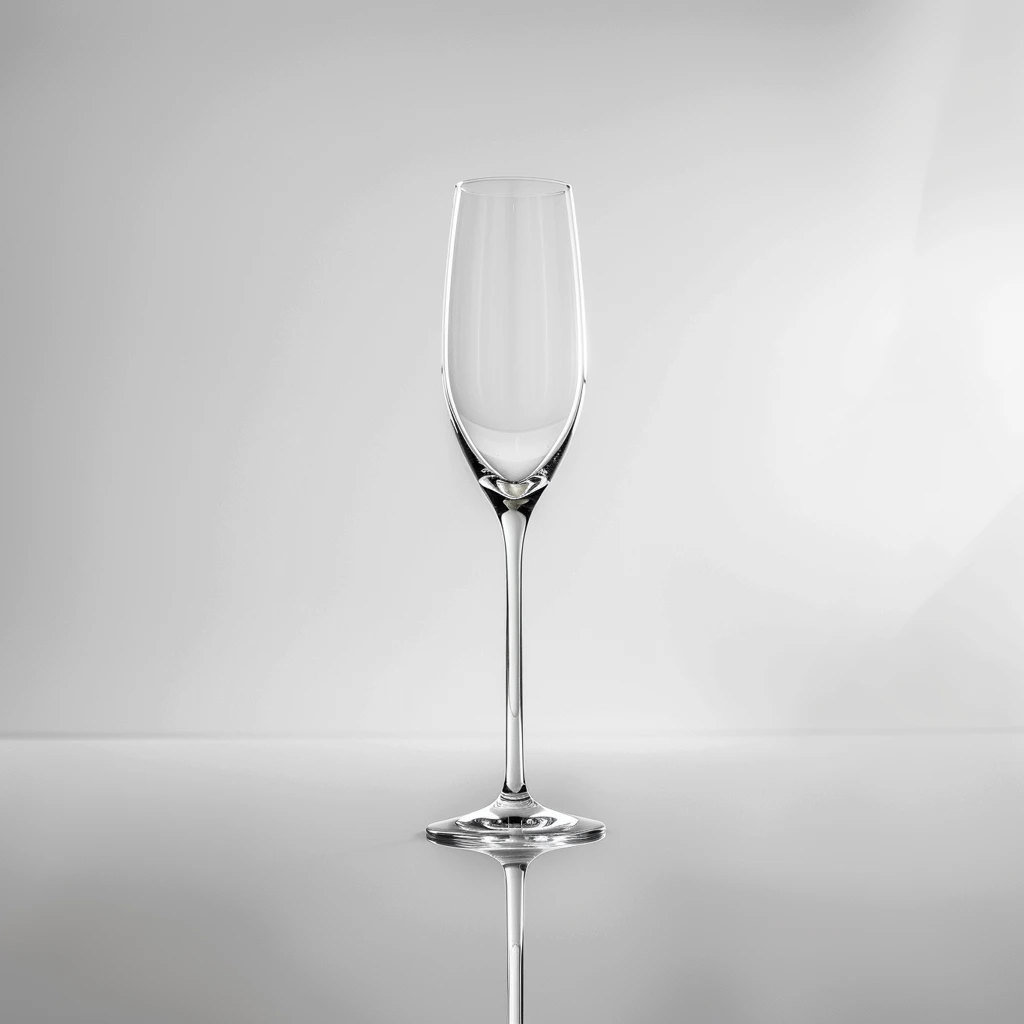
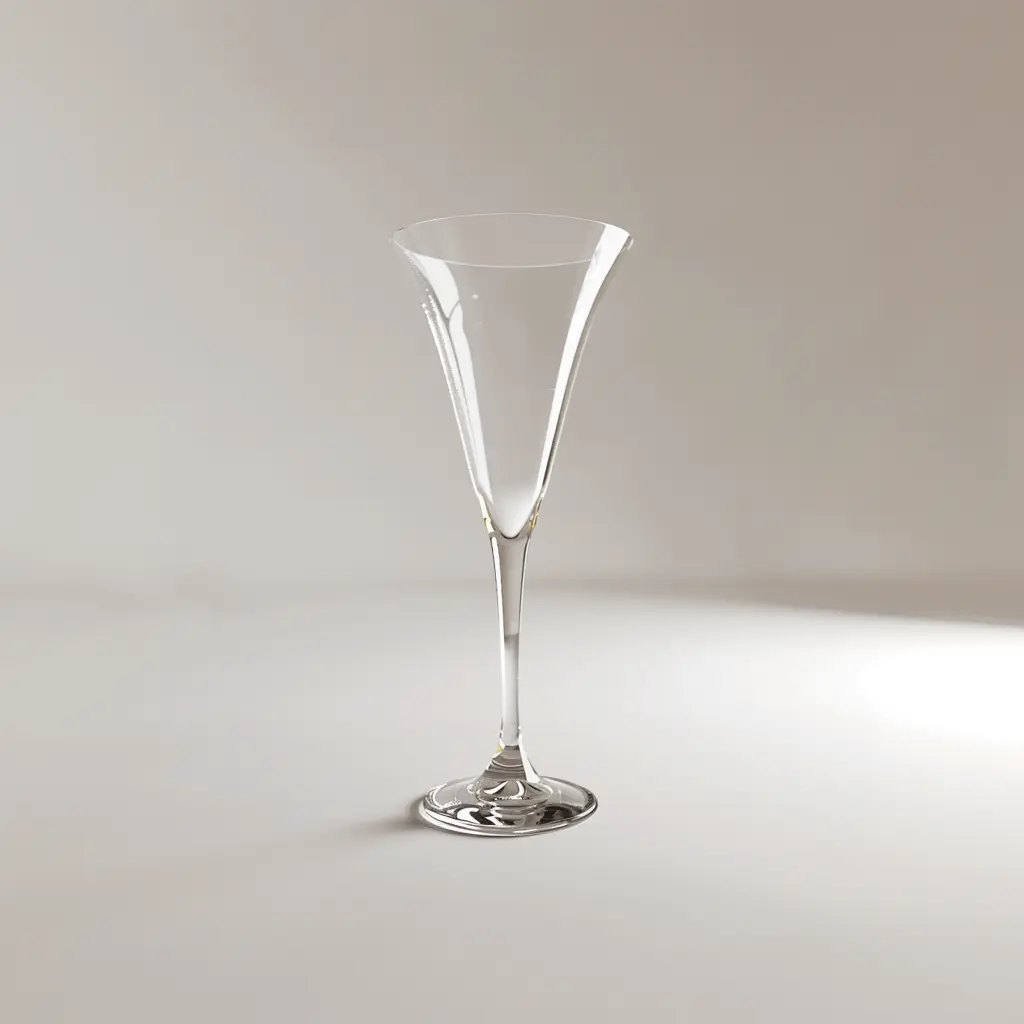
Flute Glass

Flute Glass

The flute glass is shaped to maintain carbonation and showcase streams of bubbles. It is commonly used for Champagne-based cocktails and sparkling serves.

Shape: Tall, narrow bowl on a stem.

Best for: French 75, Bellini, Mimosa, Kir Royale, sparkling aperitifs.

Garnish notes: Best with small fruit garnishes, twists, or elegant minimal decoration.

Typical capacity: 150–220 ml

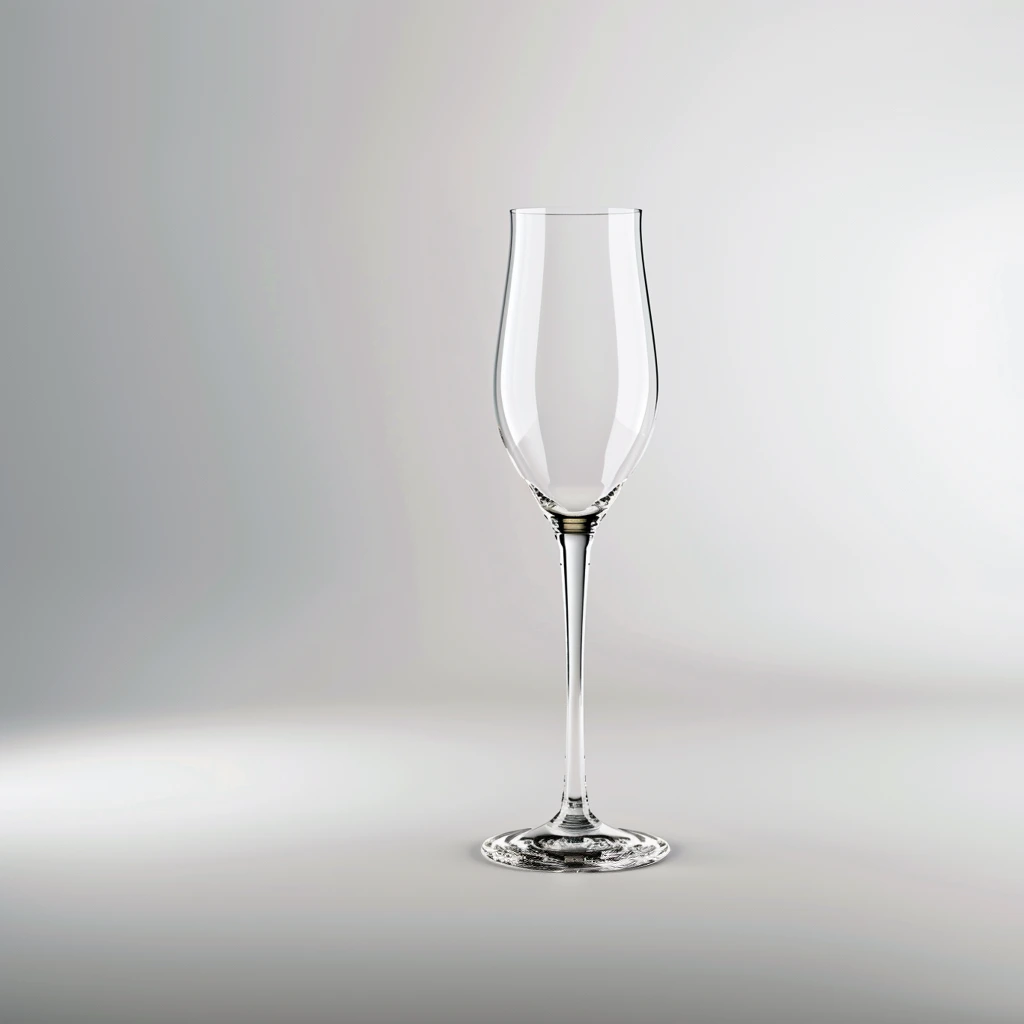
Tulip Champagne Glass

Tulip Champagne Glass

The tulip Champagne glass allows more aroma development than a standard flute while still protecting carbonation. It suits premium sparkling cocktails.

Shape: Narrower at the rim, broader through the middle.

Best for: French 75, Champagne cocktails, premium sparkling serves.

Garnish notes: Excellent for lemon twists and restrained garnish.

Typical capacity: 180–260 ml

Champagne Saucer

Champagne Saucer

The Champagne saucer offers a glamorous retro look, though it holds bubbles less effectively than a flute. It is best used when visual style matters as much as freshness.

Shape: Wide shallow stemmed bowl.

Best for: Vintage Champagne cocktails, retro parties, theatrical serves.

Garnish notes: Keep garnishes light and elegant.

Typical capacity: 120–180 ml

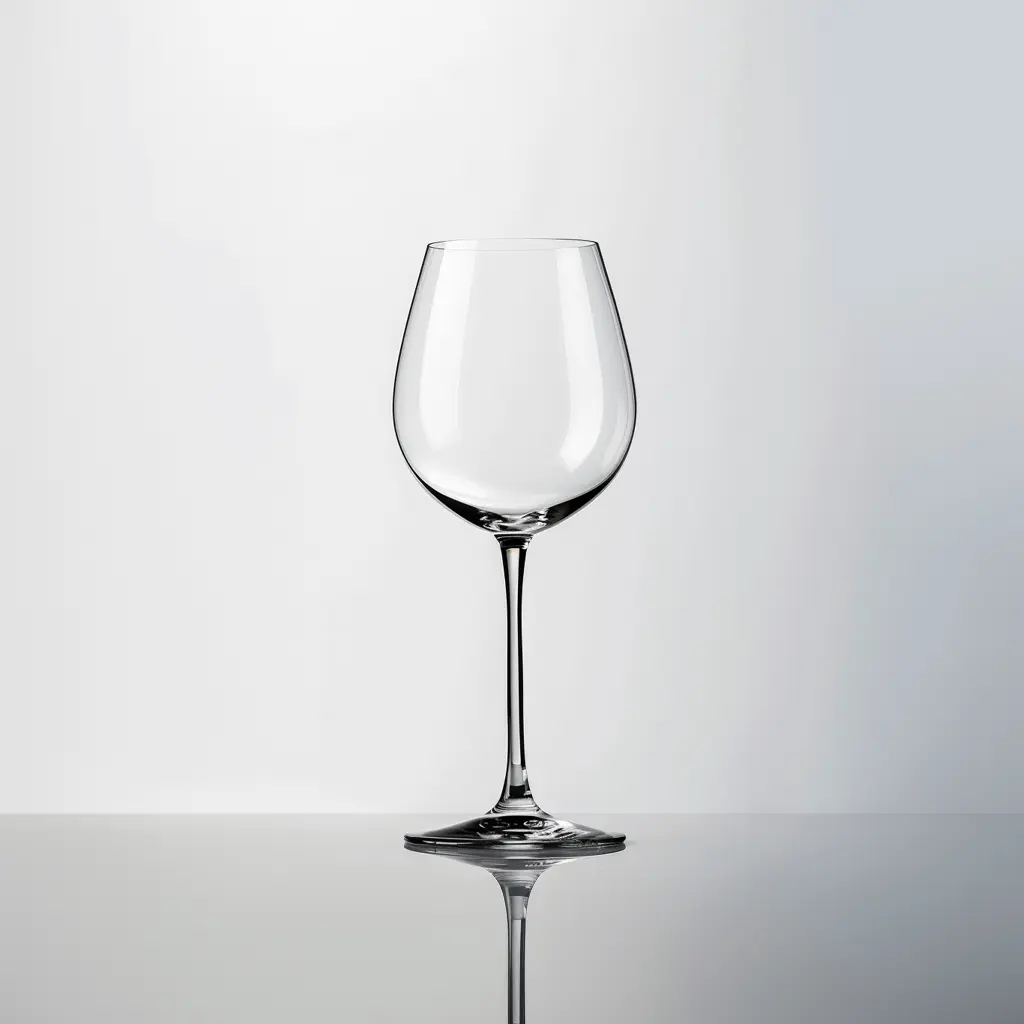
Wine Glass

Wine Glass

A large wine glass gives room for ice, fruit, and aromatics, making it an excellent choice for spritz cocktails and aperitif serves.

Shape: Large stemmed bowl with room for ice and aroma.

Best for: Aperol Spritz, Hugo Spritz, sangria, wine cocktails, tonic-based serves.

Garnish notes: Works beautifully with orange slices, herbs, berries, and citrus wheels.

Typical capacity: 250–500 ml

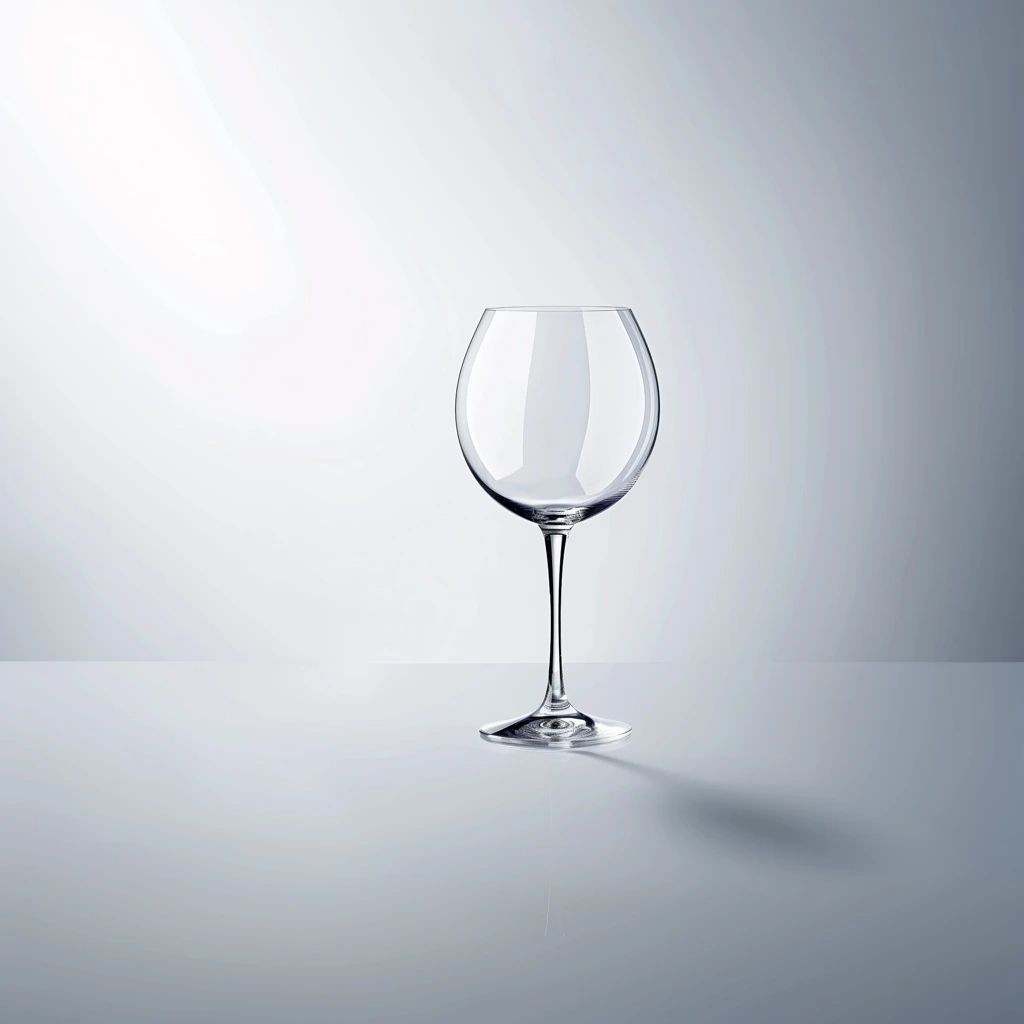
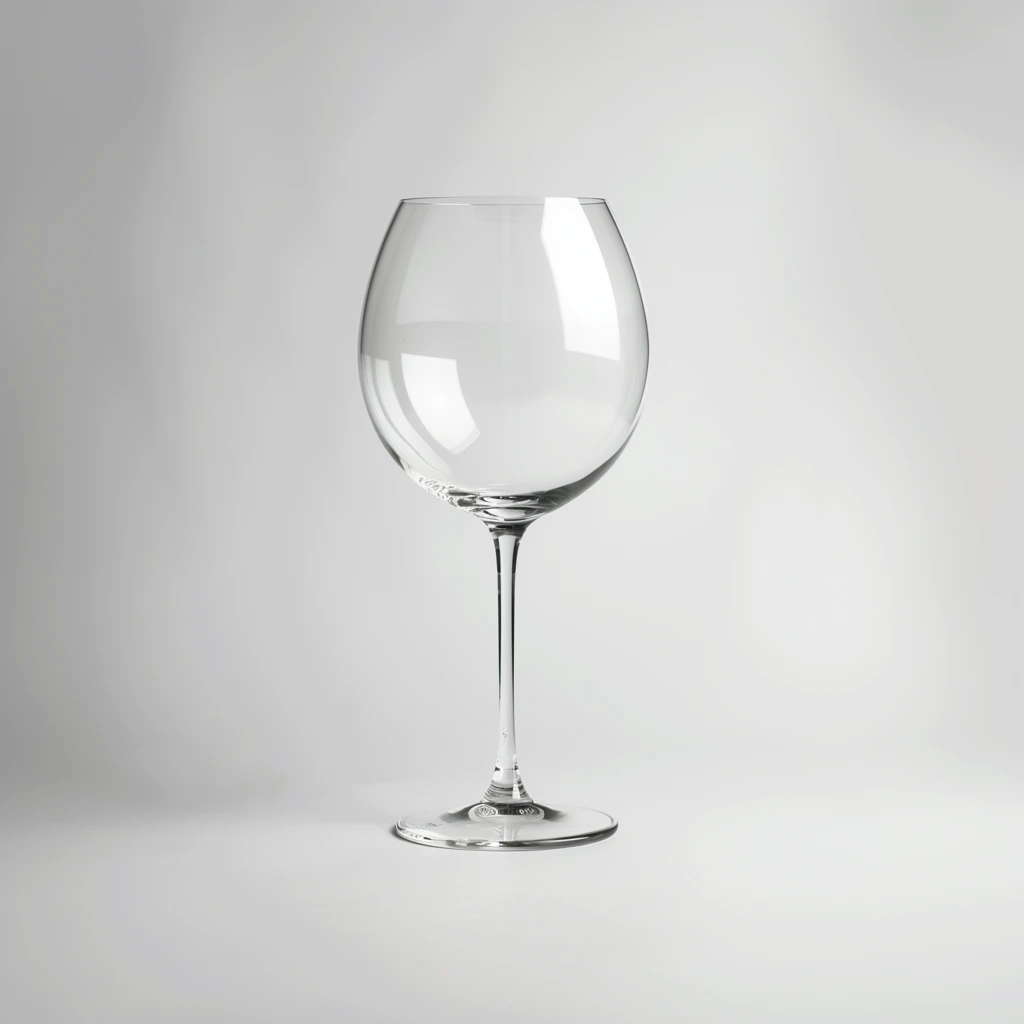
Balloon Glass

Balloon Glass

The balloon glass is popular for gin and tonic style serves because it gives ice, botanicals, and garnish space while supporting aroma release.

Shape: Large rounded bowl on a stem.

Best for: Gin and tonic, spritzes, botanical cocktails, summer serves.

Garnish notes: Excellent for herbs, dehydrated citrus, berries, and edible flowers.

Typical capacity: 450–700 ml

Goblet

Goblet

The goblet is useful for larger cocktails with plenty of ice, garnish, or layered ingredients. It offers a dramatic silhouette and lots of aroma space.

Shape: Broad bowl with generous serving volume.

Best for: Sangria, beer cocktails, spritzes, large botanical serves.

Garnish notes: Works well with big citrus garnishes, herbs, and fruit.

Typical capacity: 300–600 ml

Margarita Glass

Margarita Glass

The margarita glass is known for its iconic stepped bowl and wide rim, which makes it perfect for salt or sugar rims. It is often used for Margaritas, frozen cocktails, and festive citrus drinks.

Shape: Wide bowl with broad rim for salting or sugaring.

Best for: Margarita, Frozen Margarita, Daiquiri variations, festive tequila serves.

Garnish notes: Best for salt rims, lime wheels, citrus zest, and fruit garnishes.

Typical capacity: 250–400 ml

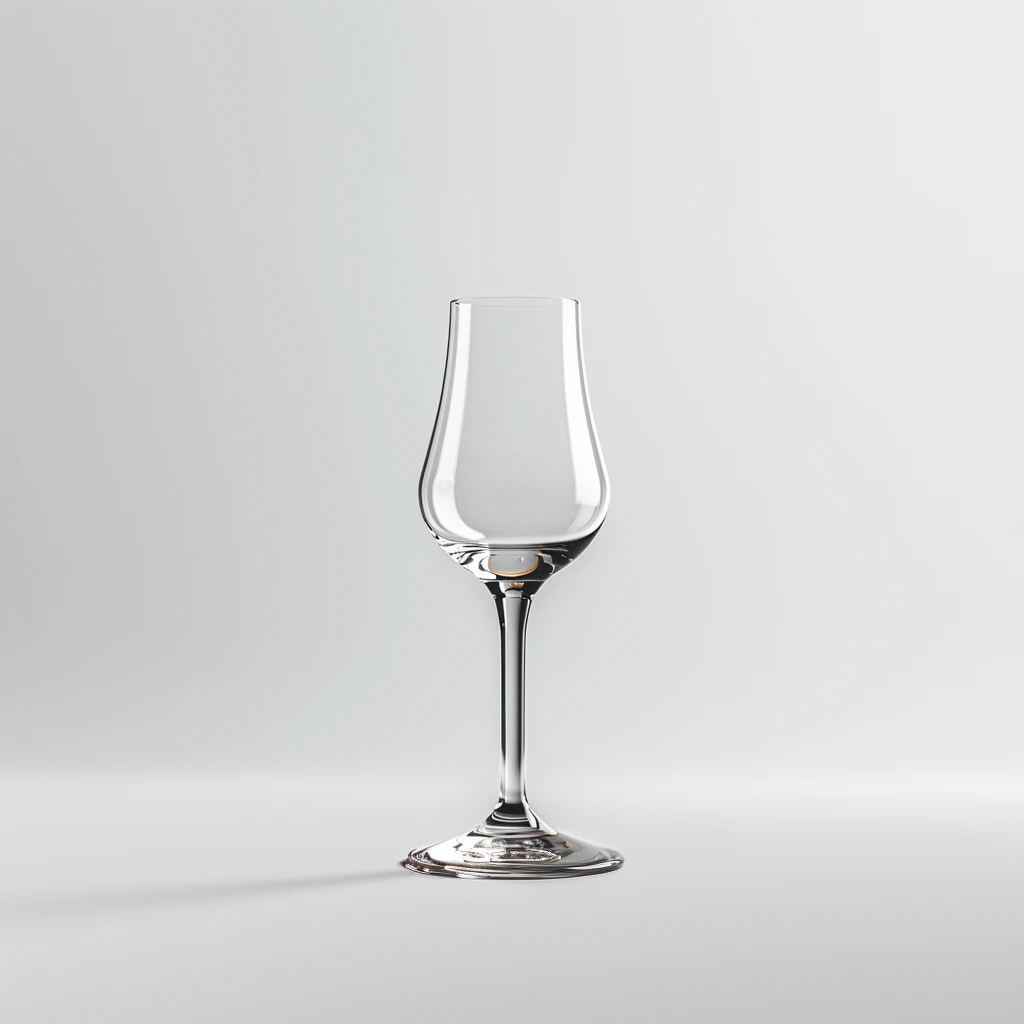
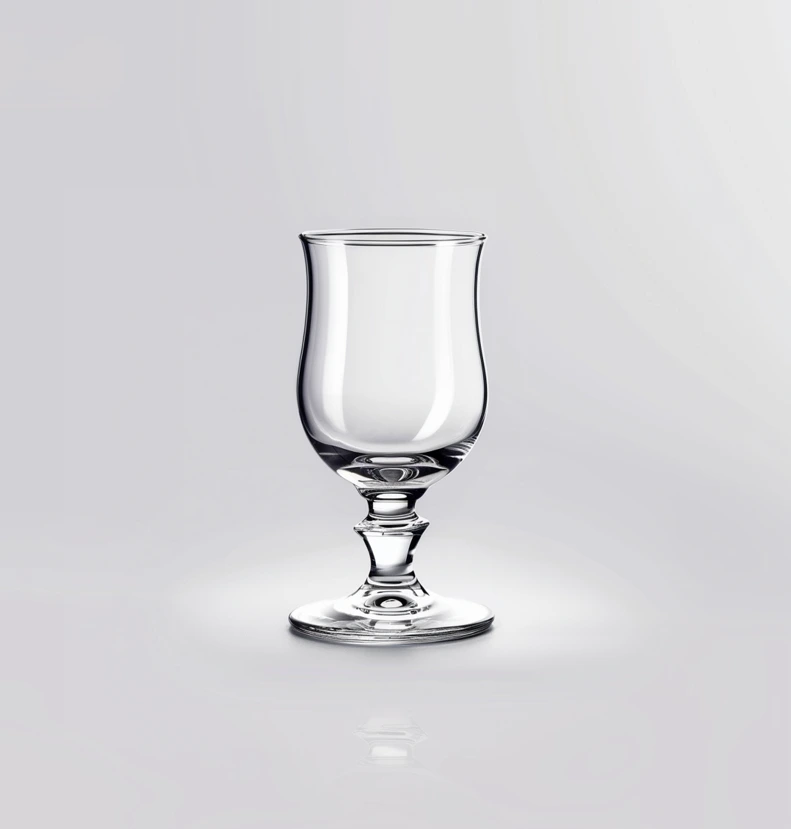
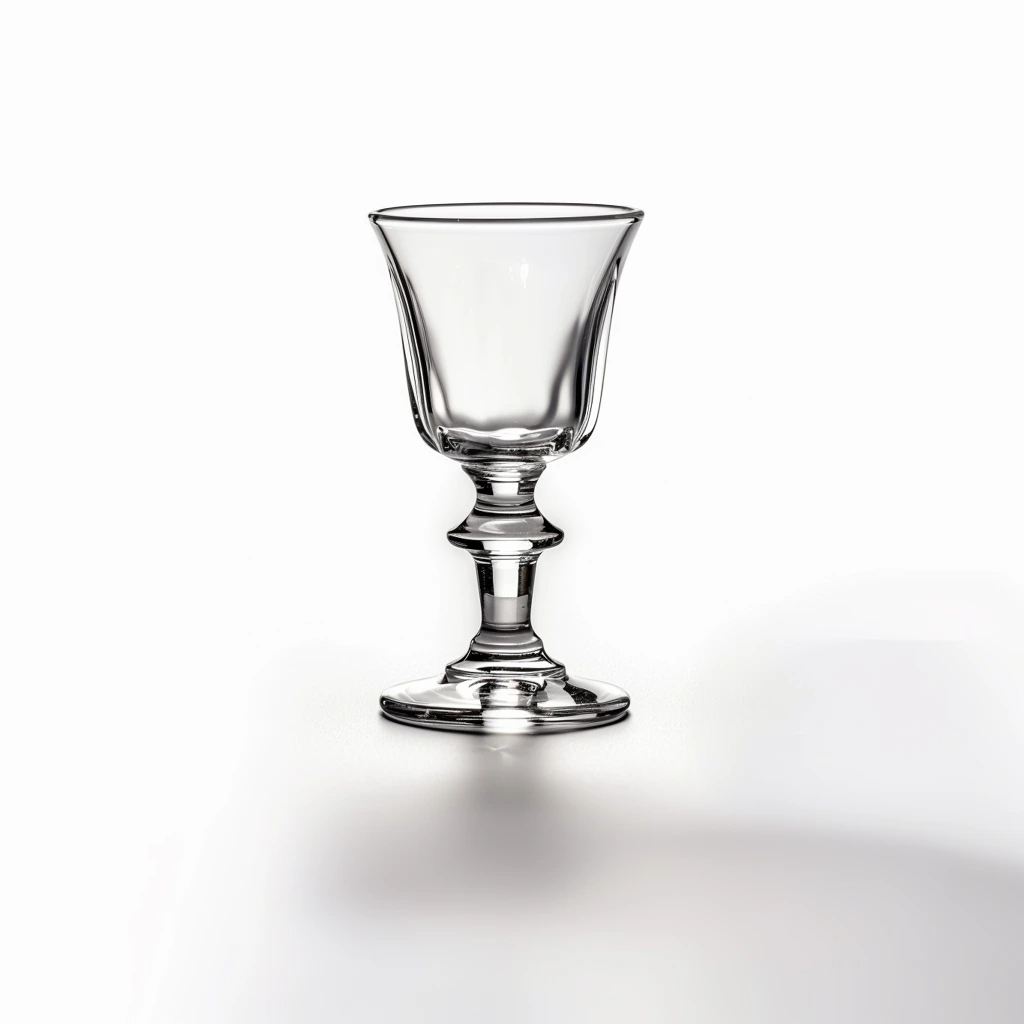
Cordial Glass

Cordial Glass

The cordial glass is best for small-volume, high-intensity serves, dessert cocktails, and after-dinner drinks.

Shape: Small elegant stemmed glass.

Best for: After-dinner liqueurs, mini dessert cocktails, aperitif serves.

Garnish notes: Usually kept minimal and refined.

Typical capacity: 60–120 ml

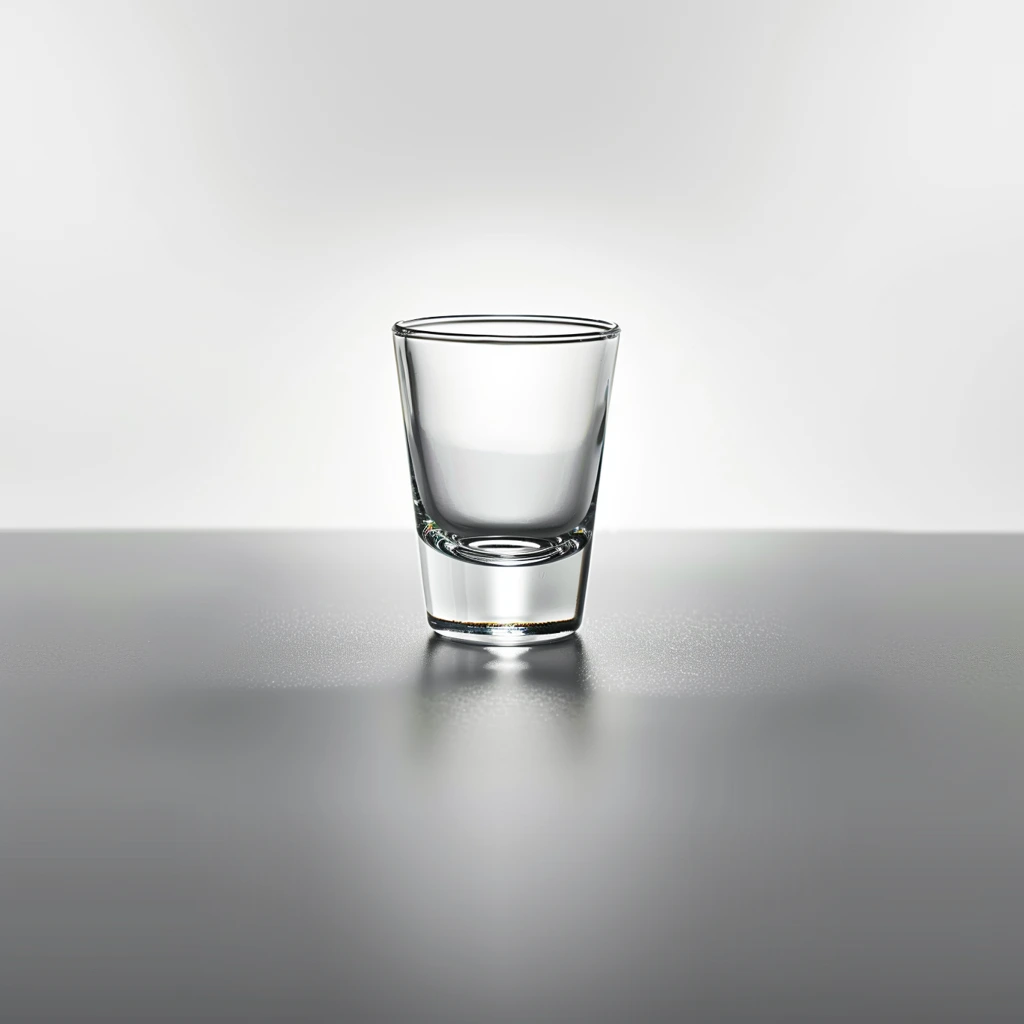
Shot Glass

Shot Glass

Shot glasses are used for neat pours, shooters, and small layered drinks. They are a staple of barware but are best reserved for short, intense serves.

Shape: Very small straight-sided glass.

Best for: Shooters, layered shots, tequila serves, mini drinks.

Garnish notes: Usually minimal garnish, but salt, citrus, or layered colour can add impact.

Typical capacity: 25–60 ml

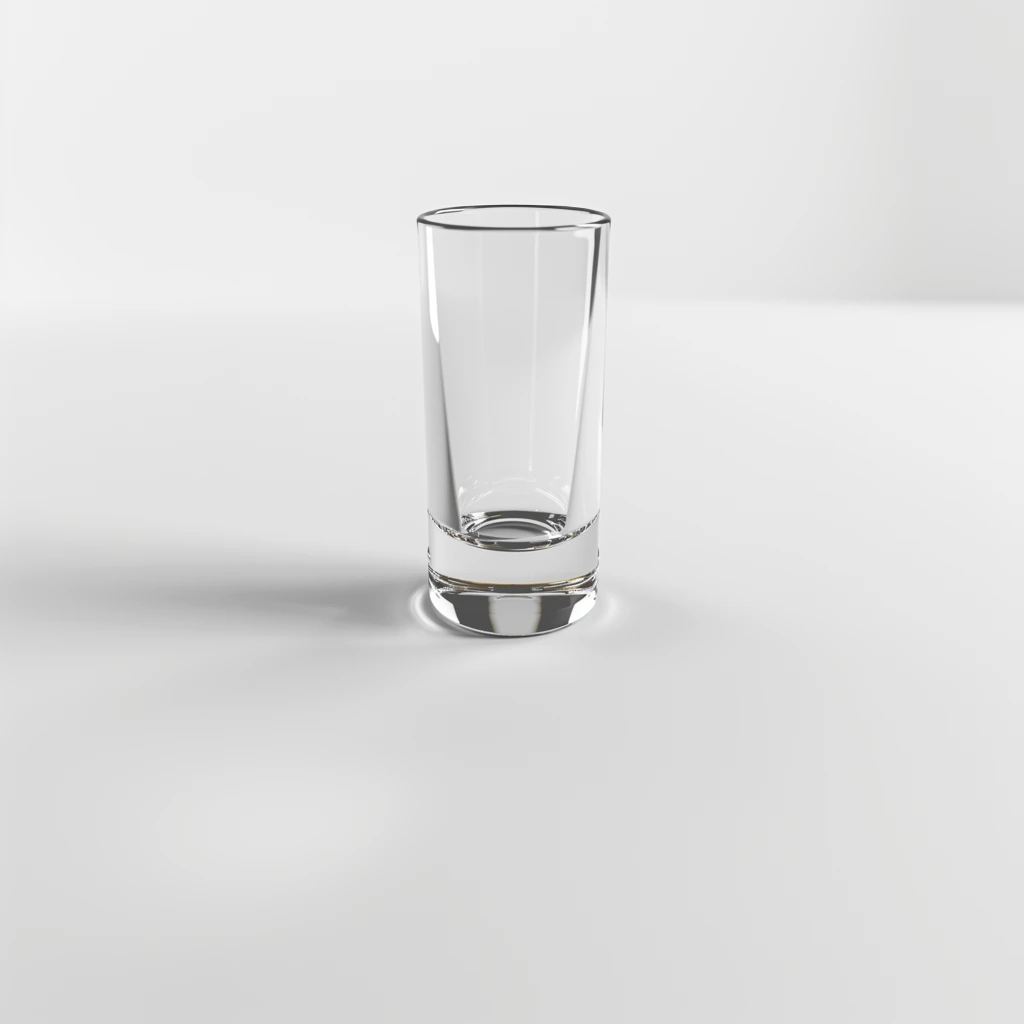
Tall Shot / Shooter Glass

Tall Shot / Shooter Glass

Shooter glasses are useful when a standard shot glass is too small and you want more room for layers, cream liqueurs, or colour separation.

Shape: Tall narrow small-format glass.

Best for: B-52, layered shooters, party shots.

Garnish notes: Best with layered presentation and clean rims.

Typical capacity: 45–90 ml

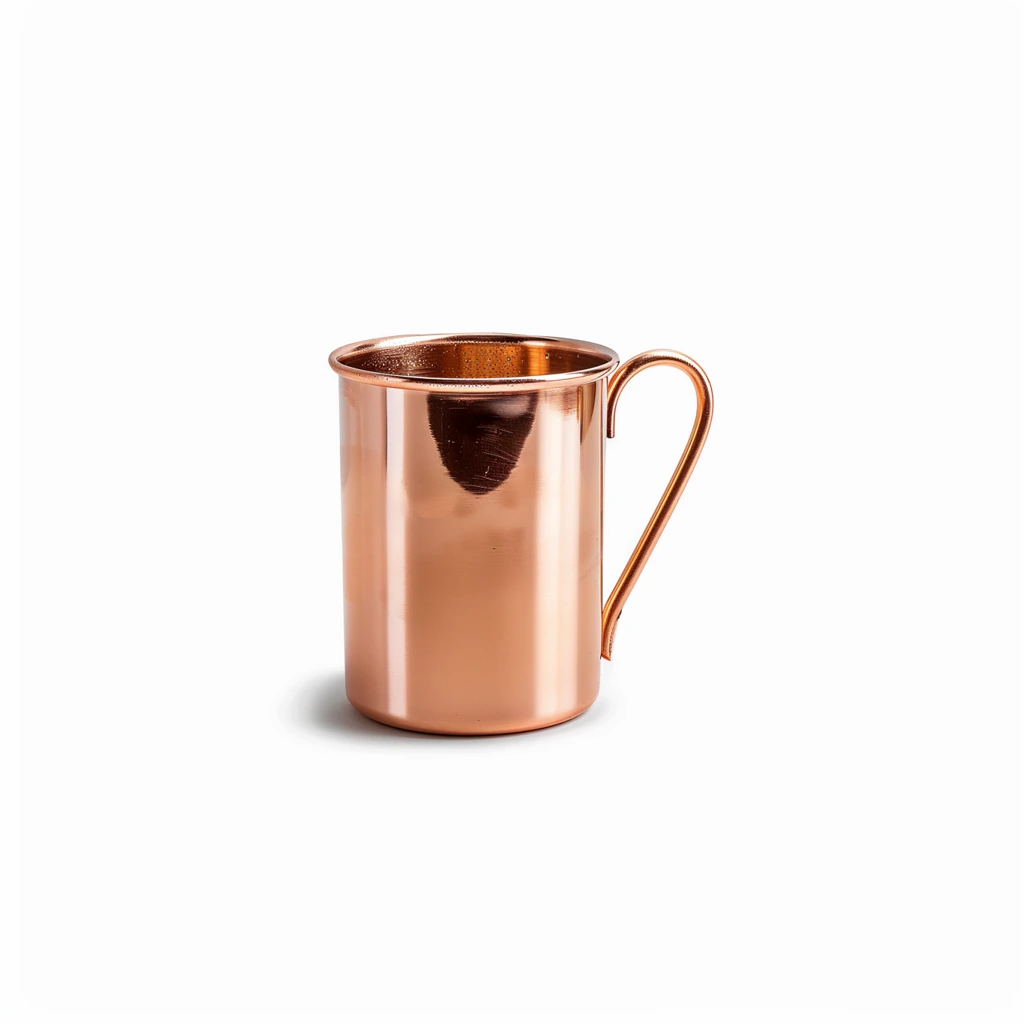
Copper Mug

Copper Mug

The copper mug is most famously associated with the Moscow Mule. Its metallic body stays cold and gives a distinctive drinking experience, especially for ginger beer-based cocktails.

Shape: Handled metal mug with strong temperature retention.

Best for: Moscow Mule, Irish Mule, Kentucky Mule, seasonal mule twists.

Garnish notes: Best with lime wedges, mint, and simple herb garnishes.

Typical capacity: 300–450 ml

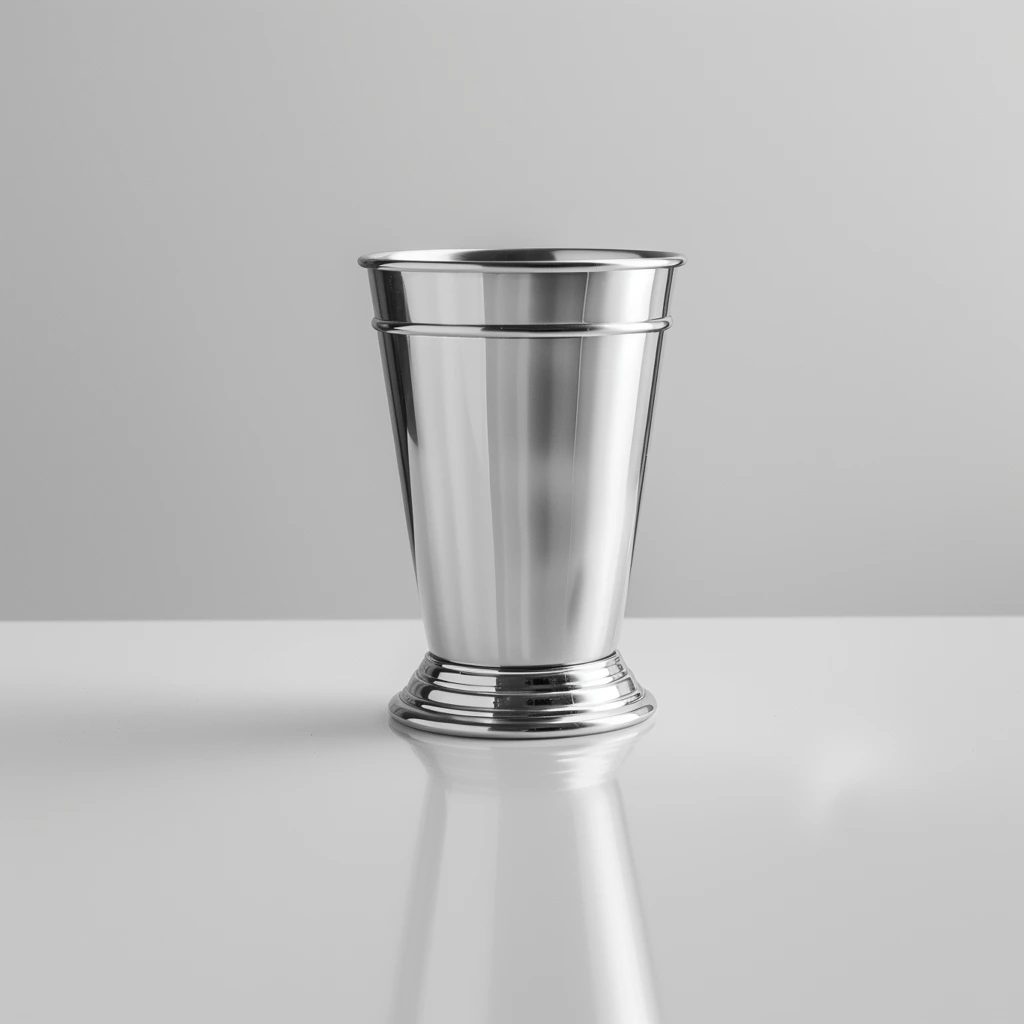
Julep Cup

Julep Cup

The julep cup is traditionally used for the Mint Julep. Its metal body chills quickly and gives a frosted look when packed with crushed ice.

Shape: Metal cup with frost-friendly surface.

Best for: Mint Julep, bourbon smashes, crushed-ice whiskey serves.

Garnish notes: Classic garnish is a tall mint bouquet with aromatic lift.

Typical capacity: 250–400 ml

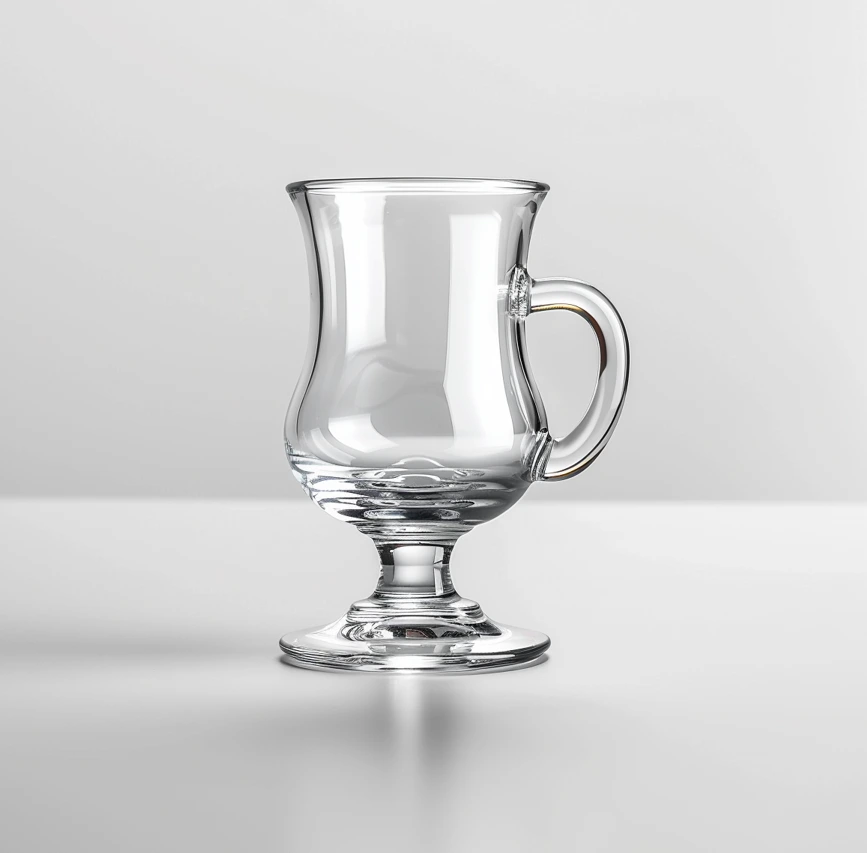
Irish Coffee Glass

Irish Coffee Glass

This glass is designed for warm serves, allowing hot drinks to be presented clearly and safely. It is most commonly associated with Irish Coffee and other hot boozy serves.

Shape: Handled heatproof glass.

Best for: Irish Coffee, Hot Toddy, spiked hot chocolate, warm winter cocktails.

Garnish notes: Great for grated nutmeg, whipped cream, cinnamon, and citrus peel.

Typical capacity: 180–300 ml

Toddy Glass

Toddy Glass

The toddy glass is excellent for simple hot cocktails where function matters more than elaborate presentation.

Shape: Compact heatproof glass or handled tumbler.

Best for: Hot Toddy, hot rum drinks, winter whisky serves.

Garnish notes: Best with lemon slices, cloves, cinnamon sticks, and honey.

Typical capacity: 180–300 ml

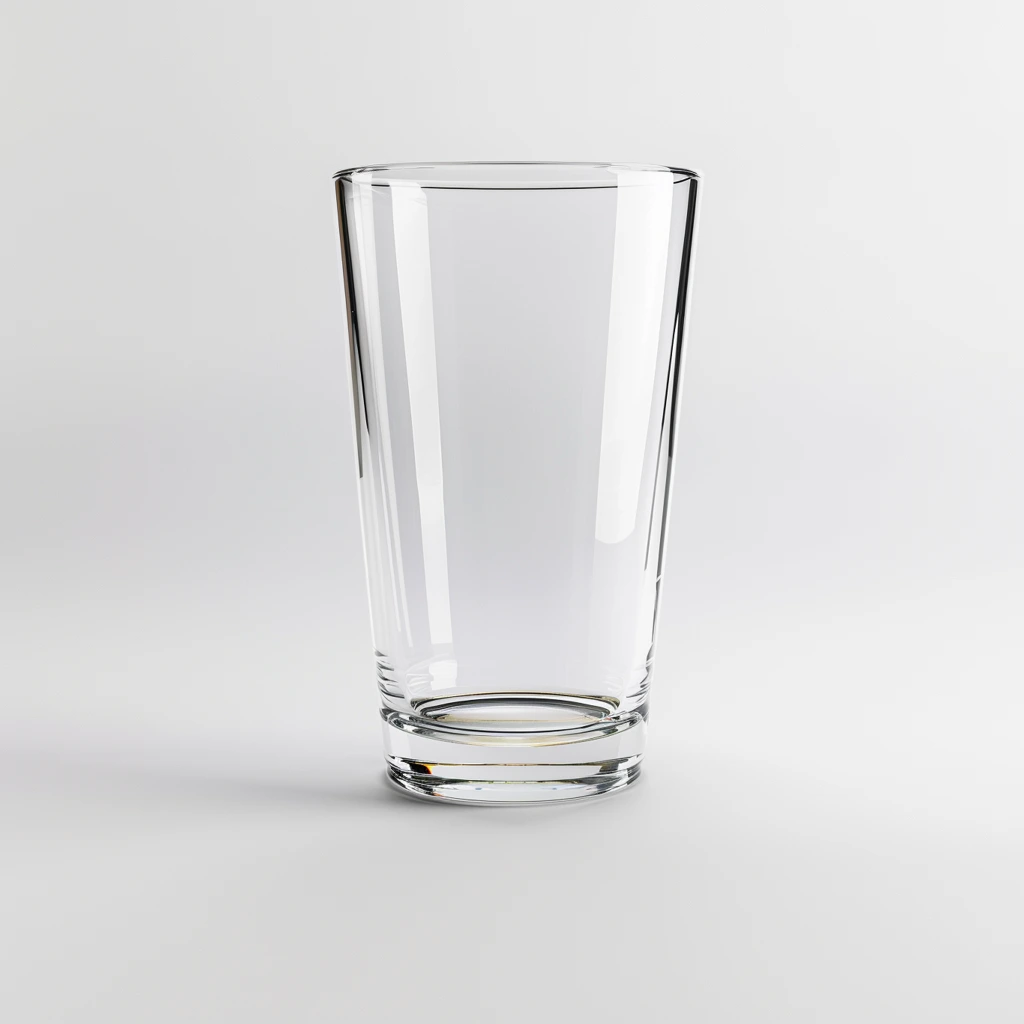
Pint Glass

Pint Glass

While not always seen as classic cocktail glassware, the pint glass is practical for beer-based cocktails, Micheladas, and larger informal mixed drinks.

Shape: Large straight or slightly tapered beer glass.

Best for: Michelada, Red Beer, beer cocktails, casual long drinks.

Garnish notes: Good for salt rims, lime wedges, and bold savoury garnish.

Typical capacity: 450–570 ml

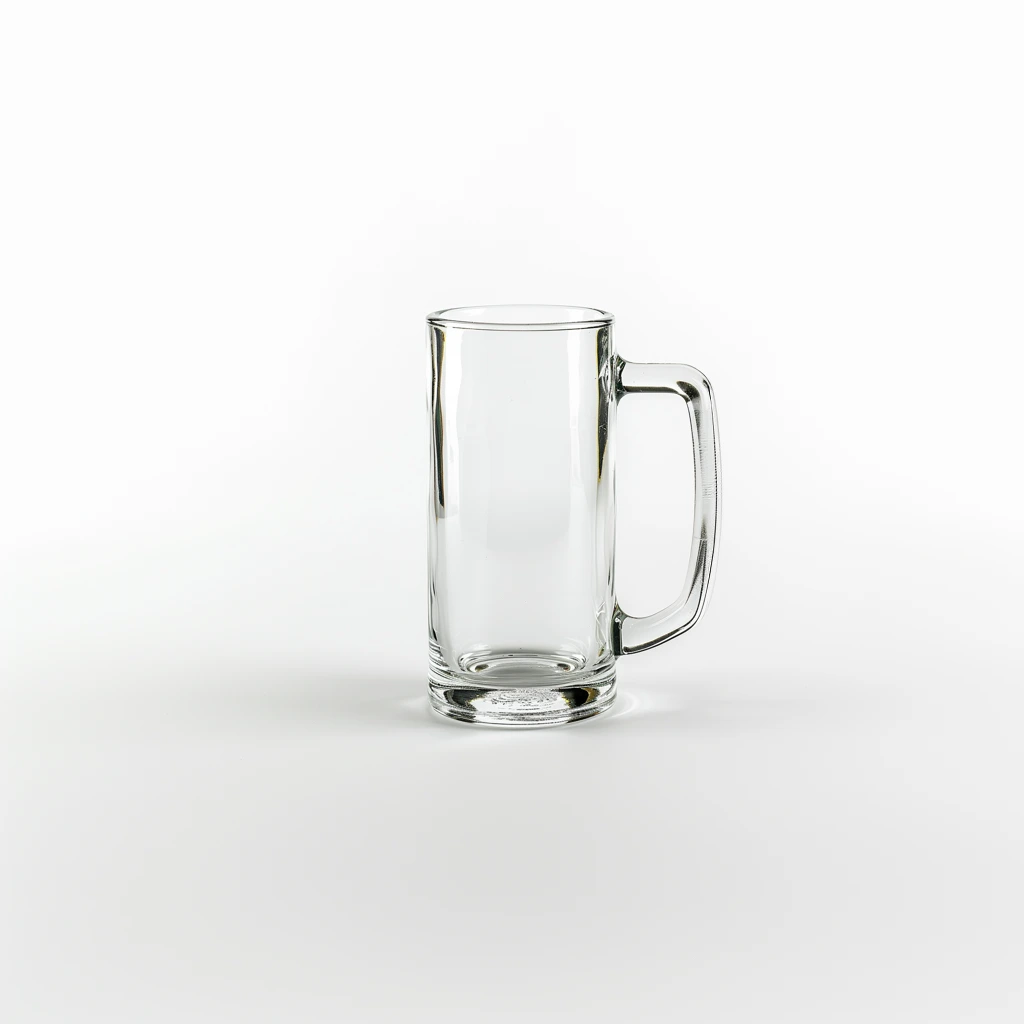
Beer Mug

Beer Mug

The beer mug works well when you want a sturdy, cold, handled option for larger mixed drinks, especially casual or savoury styles.

Shape: Heavy handled mug with good temperature retention.

Best for: Beer cocktails, large summer serves, frozen beer-based drinks.

Garnish notes: Simple citrus wedges and savoury rims work best.

Typical capacity: 400–700 ml

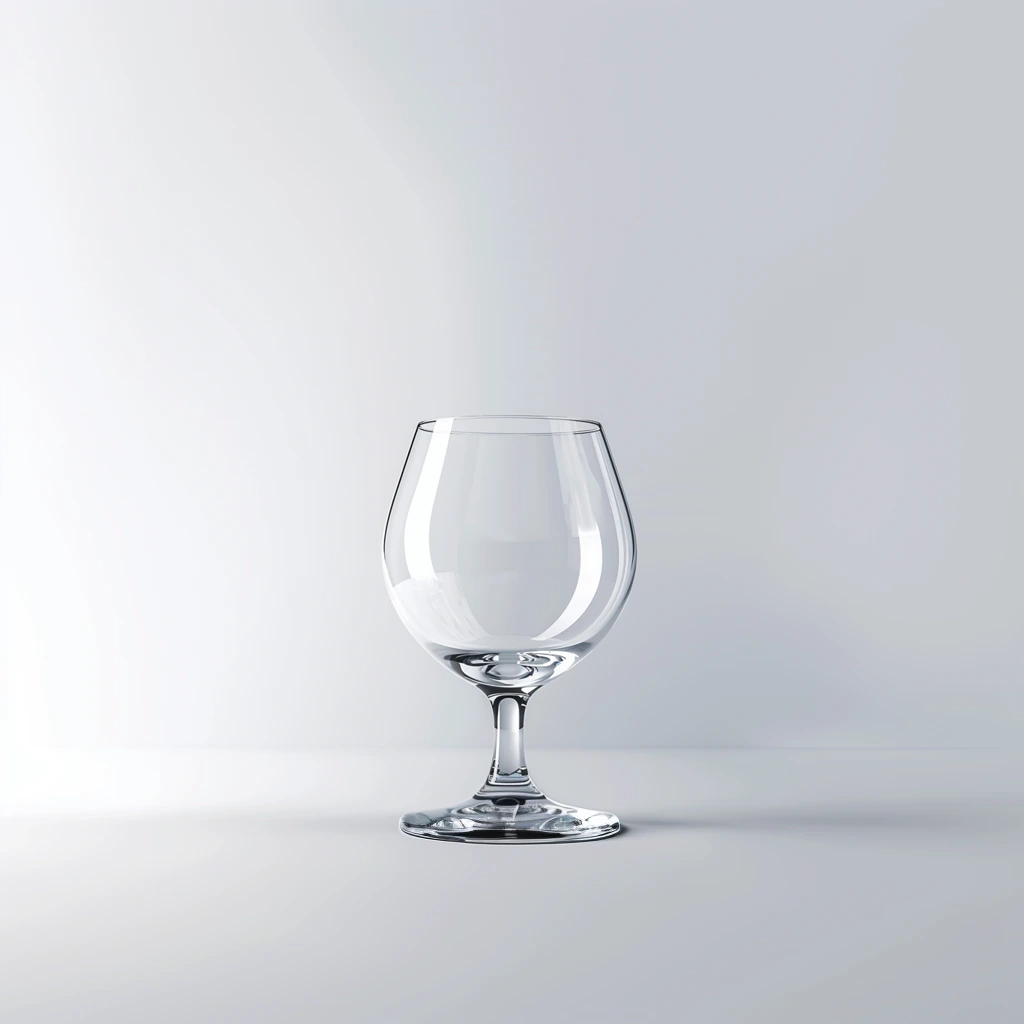
Snifter

Snifter

The snifter concentrates aroma and suits rich spirit-forward drinks, especially brandy-based serves and dessert-leaning cocktails.

Shape: Rounded bowl with narrowing rim.

Best for: Brandy Alexander, cognac cocktails, rich after-dinner serves.

Garnish notes: Best with grated spice, chocolate notes, or restrained citrus oil.

Typical capacity: 180–350 ml

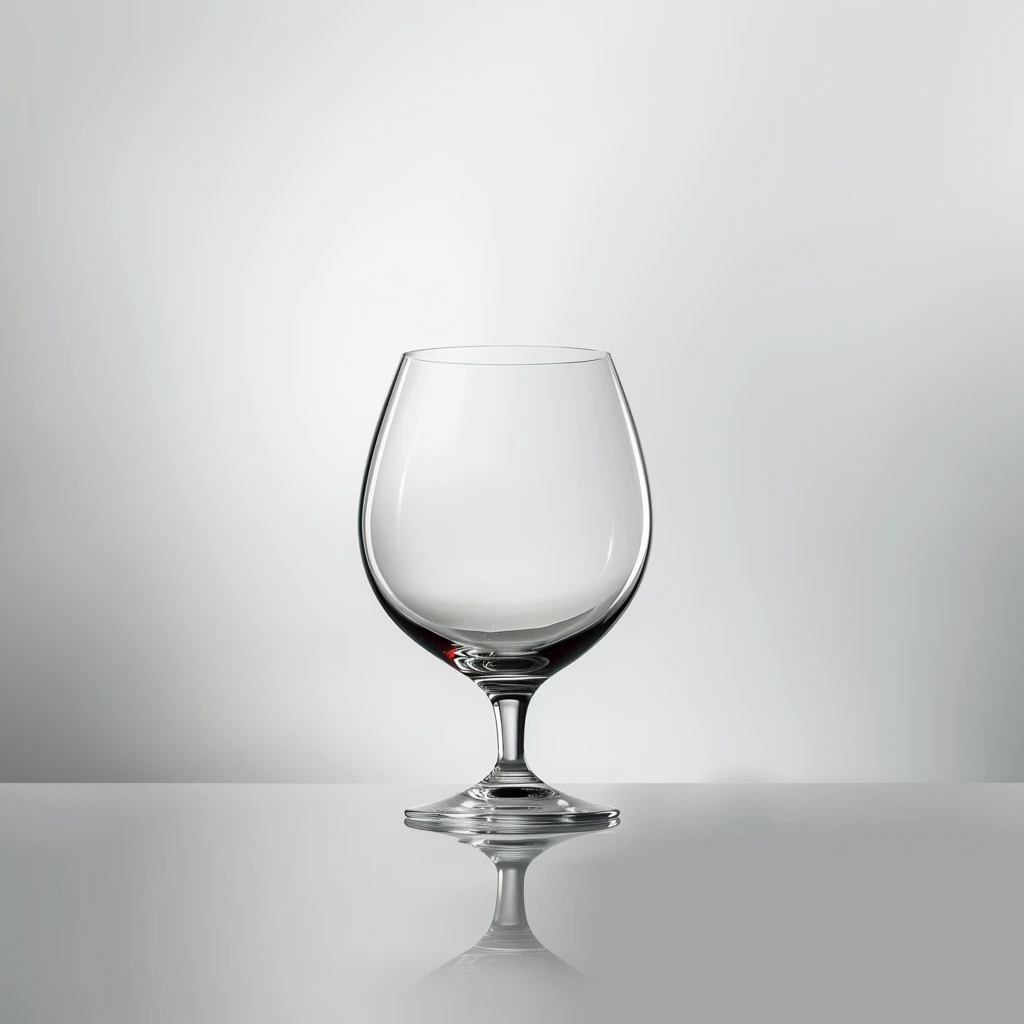
Brandy Balloon

Brandy Balloon

The brandy balloon is similar to a snifter but often more dramatic in bowl size. It is well suited to aromatic, slower-sipping cocktails.

Shape: Large rounded bowl designed for aroma concentration.

Best for: Brandy cocktails, cognac serves, rich dessert drinks.

Garnish notes: Best with light garnish and aroma-driven presentation.

Typical capacity: 250–450 ml

Copa Glass

Copa Glass

The copa glass offers generous space for ice and botanicals while helping aromas rise from the bowl. It is now widely used for premium gin serves and spritz-like cocktails.

Shape: Large balloon bowl on a tall stem.

Best for: Gin and tonic, aperitif cocktails, large aromatic spritz serves.

Garnish notes: Excellent for herbs, spices, dehydrated citrus, berries, and florals.

Typical capacity: 500–800 ml

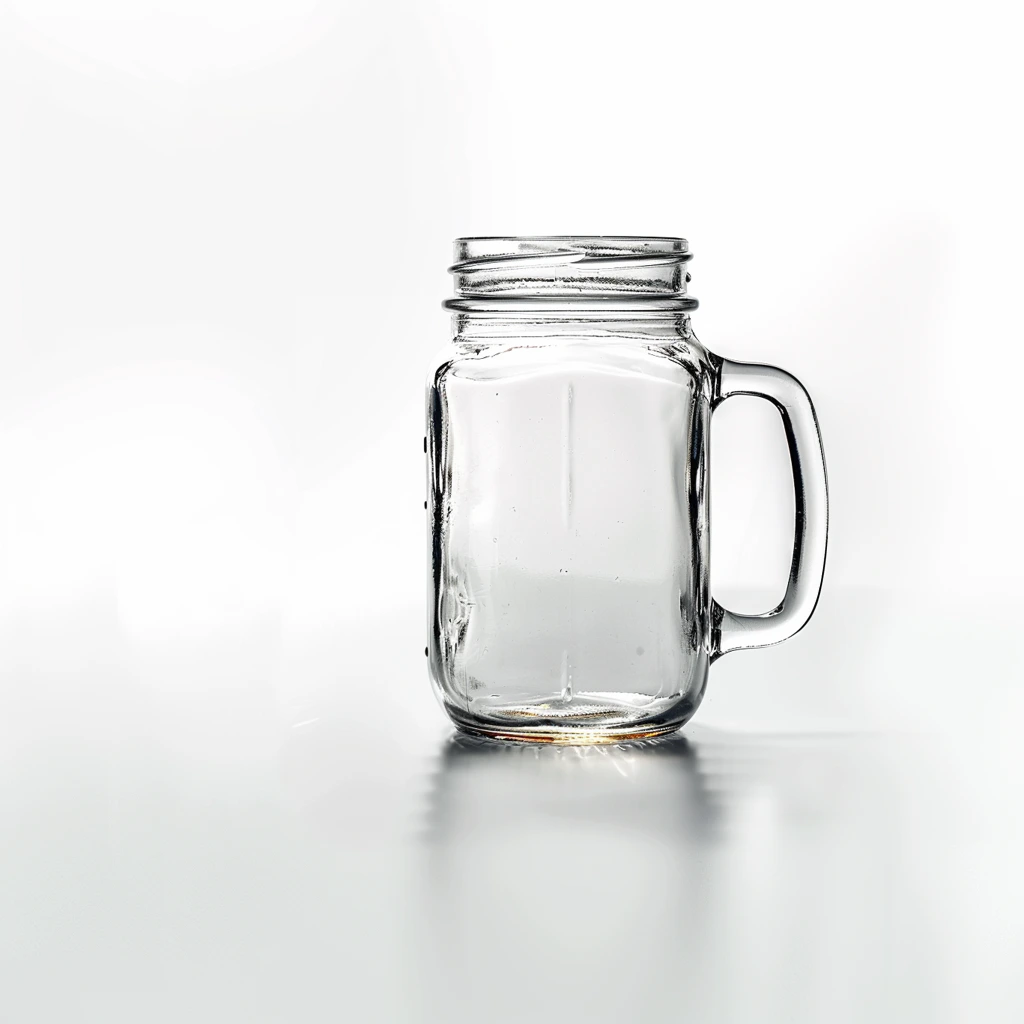
Mason Jar

Mason Jar

The mason jar is popular for country-style presentation, summer drinks, and easy-going cocktail serves. It is more about aesthetic than classic bartending tradition.

Shape: Handled or lid-friendly jar shape.

Best for: Lemonades, iced tea cocktails, casual summer drinks, punches.

Garnish notes: Great with fruit, mint, straws, and rustic garnish styling.

Typical capacity: 350–500 ml

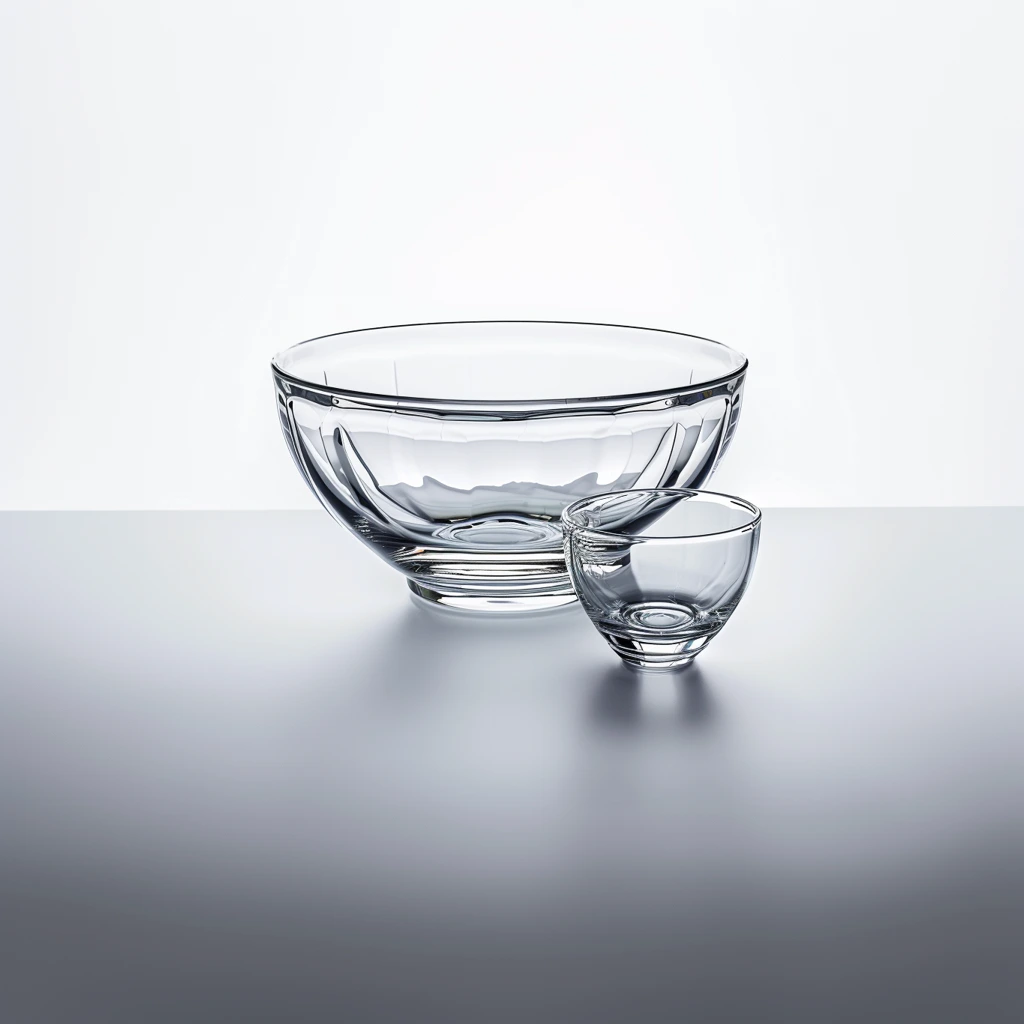
Punch Bowl / Punch Cup

Punch Bowl / Punch Cup

Punch service is ideal for entertaining and large-batch cocktails. Whether served from a central bowl or individual punch cups, it brings a communal style to cocktail presentation.

Shape: Large communal vessel or matching small cups.

Best for: Rum punch, festive punches, sangria, batched party cocktails.

Garnish notes: Best with abundant citrus, herbs, frozen fruit, and decorative ice.

Typical capacity: 1200–8000 ml

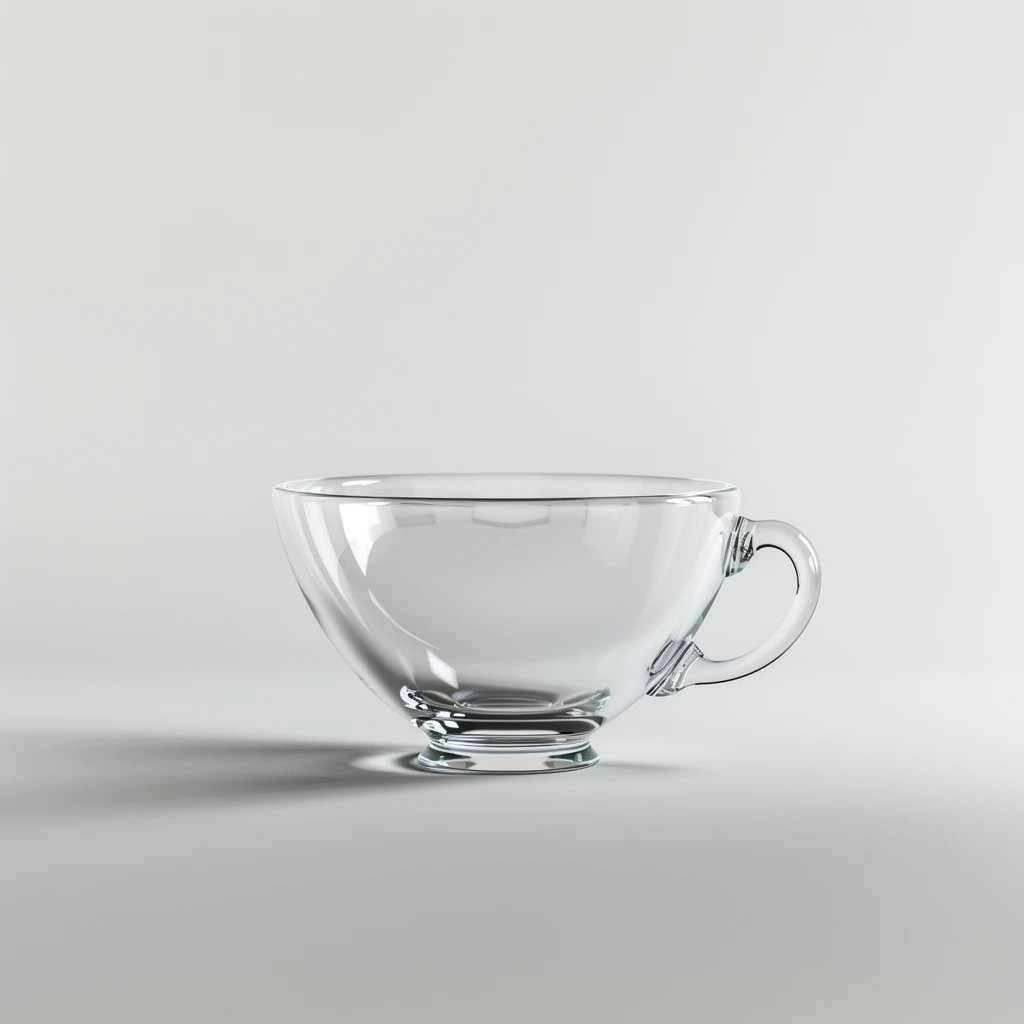
Punch Cup

Punch Cup

Punch cups are a traditional way to serve individual portions from a punch bowl. They work well for parties, celebrations, and pre-batched cocktails.

Shape: Compact cup or handled vessel.

Best for: Milk punch, festive punch, batched cocktails.

Garnish notes: Usually paired with nutmeg, citrus, or restrained festive garnish.

Typical capacity: 120–220 ml

Absinthe Glass

Absinthe Glass

The absinthe glass is a niche but distinctive style used for traditional absinthe service and heritage drinks. It adds theatre and authenticity to historic serves.

Shape: Specialty bowl often marked for measure lines.

Best for: Absinthe service, heritage cocktails, aromatic aperitifs.

Garnish notes: Usually minimal garnish and service-focused presentation.

Typical capacity: 120–240 ml

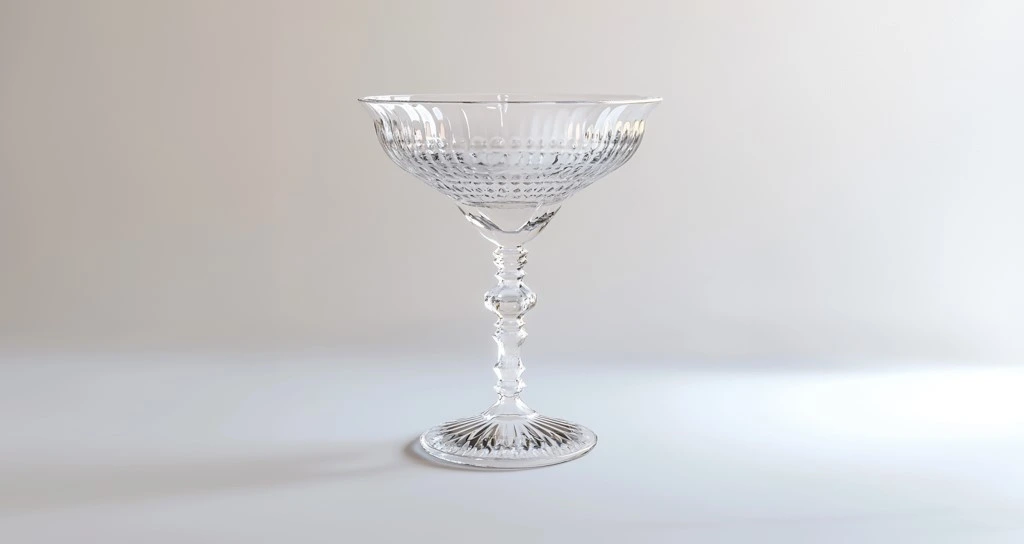
Coupé Saucer

Coupé Saucer

This broader saucer-style coupe emphasises visual style and works best for elegant, controlled, served-up cocktails in a vintage mood.

Shape: Wide shallow bowl on a stem.

Best for: Retro cocktails, Champagne cocktails, glamorous classics.

Garnish notes: Best kept simple and elegant.

Typical capacity: 120–220 ml

Frozen Drink Glass

Frozen Drink Glass

This style is ideal for slushy, blended, and dessert-style drinks where volume, colour, and garnish all matter.

Shape: Wide bowl with enough volume for blended drinks.

Best for: Frozen Margarita, frozen Daiquiri, tropical blended cocktails.

Garnish notes: Perfect for sugar rims, fruit wedges, and bold garnish.

Typical capacity: 300–500 ml

Parfait Glass

Parfait Glass

The parfait glass suits creamy, layered, or dessert-inspired cocktails where visual layers and toppings are part of the experience.

Shape: Tall flared bowl for layered presentation.

Best for: Grasshopper, dessert cocktails, frozen creamy drinks.

Garnish notes: Works well with cream, grated chocolate, crushed biscuits, and cherries.

Typical capacity: 180–350 ml

Dessert Cocktail Glass

Dessert Cocktail Glass

Dessert cocktail glasses are useful when presentation is part of the appeal, especially for creamy, sweet, or after-dinner cocktails.

Shape: Decorative stemmed or footed dessert-style glass.

Best for: Brandy Alexander, Grasshopper, White Russian twists, sweet signatures.

Garnish notes: Excellent for chocolate shavings, cream, cinnamon, and dessert-style toppings.

Typical capacity: 150–300 ml

Rocks Glass

Rocks Glass

The rocks glass overlaps heavily with the lowball glass and is ideal for short cocktails over ice. Many bars use the terms interchangeably.

Shape: Compact tumbler for ice-based serves.

Best for: Whiskey on the rocks, Negroni, Old Fashioned, spirits over ice.

Garnish notes: Ideal for twists, cherries, and clear cubes.

Typical capacity: 180–300 ml

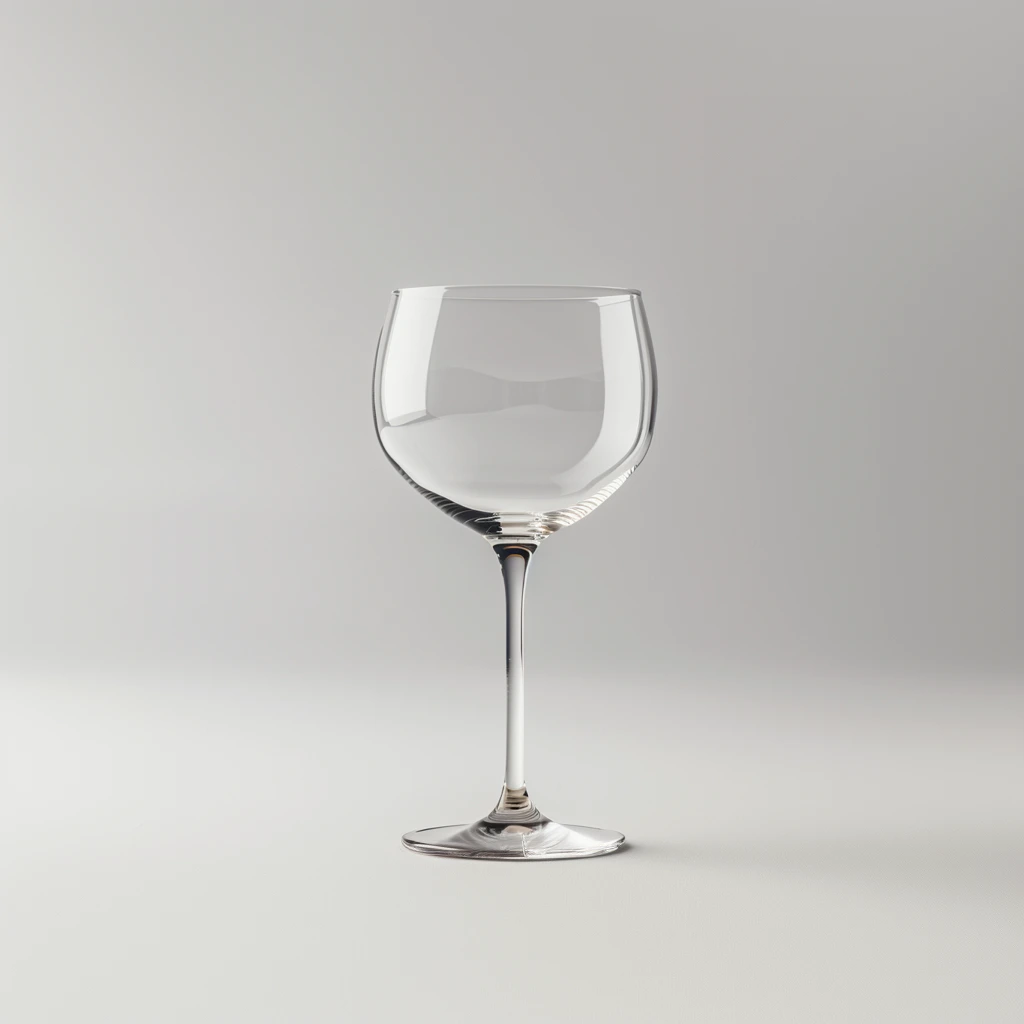
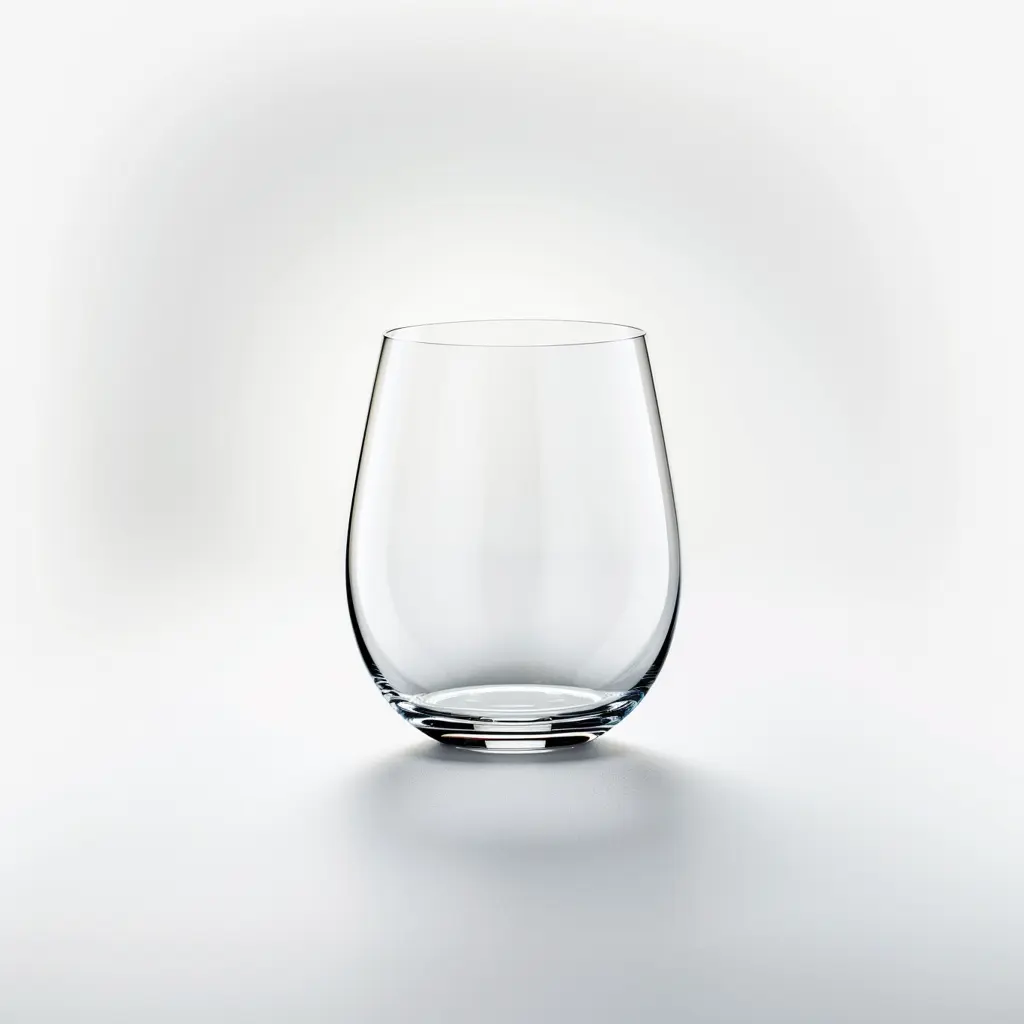
Stemless Wine Glass

Stemless Wine Glass

The stemless wine glass offers easy handling and a contemporary feel. It works well for relaxed entertaining and lighter wine-based cocktails.

Shape: Rounded bowl without a stem.

Best for: Casual spritzes, sangria, easy aperitif serves.

Garnish notes: Good for fruit, herbs, and social sharing-style presentation.

Typical capacity: 250–450 ml

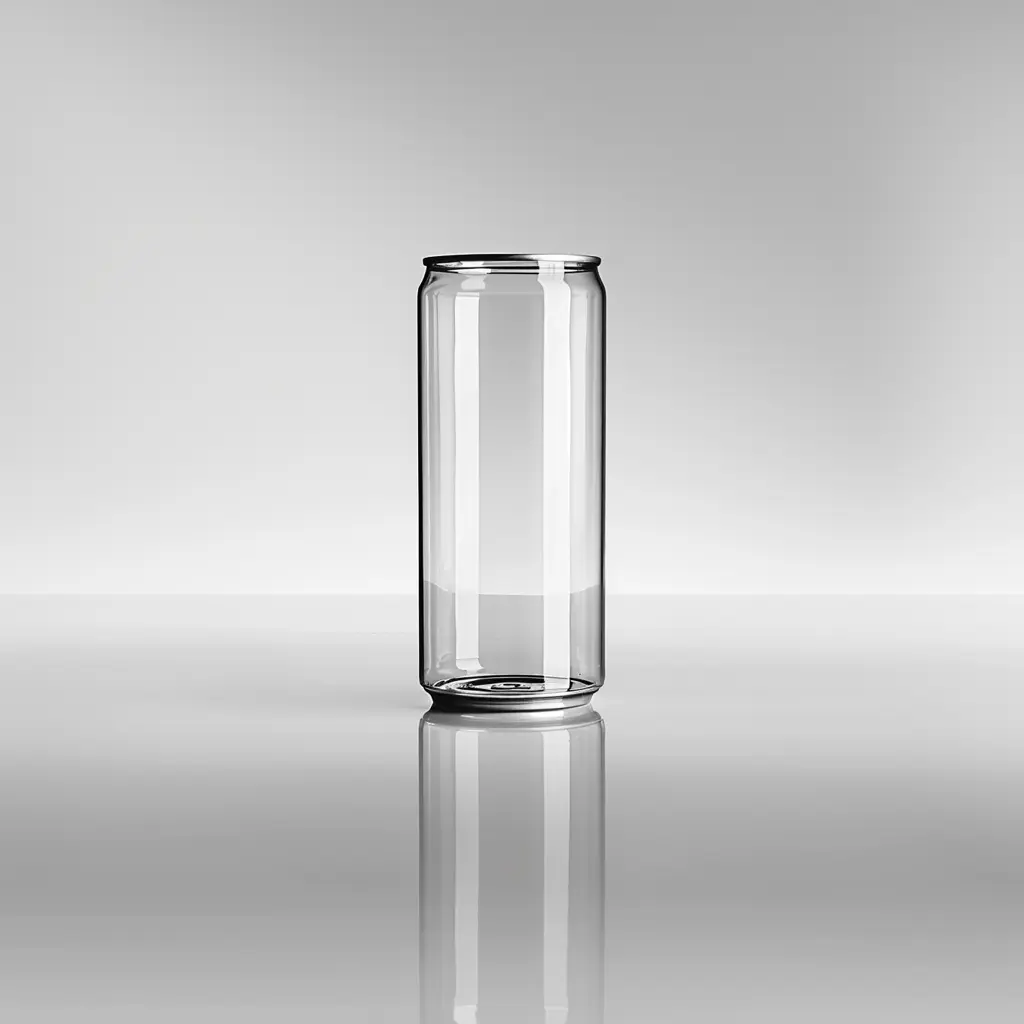
Can Glass

Can Glass

The can glass has become popular for contemporary café-style and modern casual serves. It is practical, visually clean, and works well for fruit-forward long drinks.

Shape: Straight-sided shape inspired by beverage cans.

Best for: Modern lemonades, fruit coolers, spritz-style mocktails and cocktails.

Garnish notes: Great for slices, straws, herbs, and colourful layered presentation.

Typical capacity: 350–500 ml

Cocktail Equipment

Shakers, strainers, jiggers, muddlers, and bar spoons are essential tools for making professional-quality cocktails at home. Each piece of cocktail equipment plays a key role in mixing, measuring, and serving drinks with precision and style.

Muddler

Muddler

A cocktail muddler is a bar tool used to crush or mash ingredients like fruits, herbs, and spices in the bottom of a glass to release their flavors and aromas. The tool is typically made of wood, stainless steel, or plastic, with a flat or textured end for effective muddling. It’s commonly used in cocktails like the Mojito, where mint leaves need to be gently crushed to release their oils, or in drinks like the Old Fashioned, where sugar and bitters are muddled with citrus peel. By breaking down these ingredients, a muddler helps to create more complex, flavorful cocktails.

Why it matters: Essential when a drink relies on fresh herbs, fruit, sugar, or aromatics being broken down properly.

How to use it: Use gentle pressure rather than aggressively crushing ingredients, especially herbs like mint.

Cleaning tips: Rinse immediately after use and wash thoroughly so fruit pulp, herbs, and sugar do not dry onto the surface.

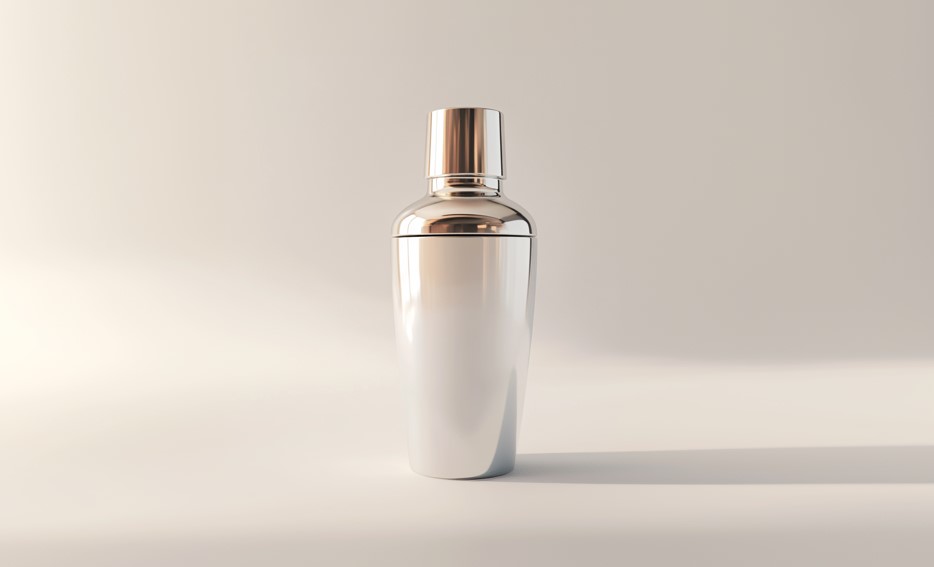
Cocktail Shaker

Cocktail Shaker

A cocktail shaker is a bar tool used to mix ingredients by shaking them together, often to chill the drink and incorporate air for a frothy texture. There are two main types of shakers: the Boston shaker and the cobbler shaker. The Boston shaker consists of two separate parts, a metal tin and a mixing glass, while the cobbler shaker has a built-in strainer and cap, making it more convenient for home use. Shakers are essential for cocktails that include ice, like Margaritas, Daiquiris, and Mojitos, as they help blend spirits, mixers, and other ingredients thoroughly. The shaking process also helps to dilute the drink slightly, balancing the flavors.

Why it matters: Needed for shaken cocktails where temperature, dilution, and aeration all matter.

How to use it: Add ingredients and ice, seal the shaker, shake hard until chilled, then strain into the serving glass.

Cleaning tips: Wash after use, especially after citrus, egg white, syrups, or cream-based drinks.

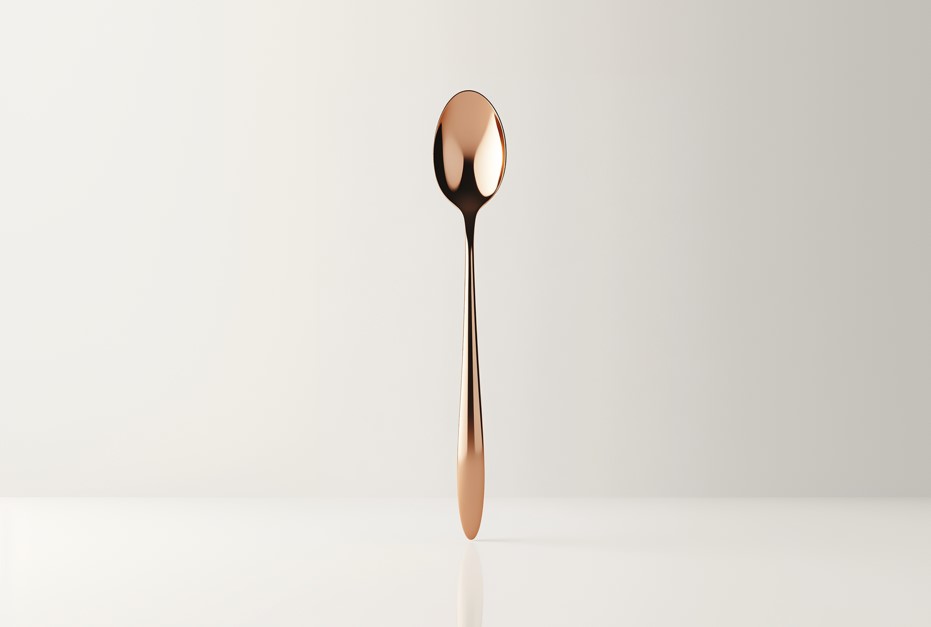
Bar Spoon

Bar Spoon

A bar spoon is a long-handled spoon used in bartending for stirring and mixing drinks. It typically has a twisted handle, allowing bartenders to easily stir ingredients in tall glasses or pitchers without having to reach into the glass. The length of the handle also makes it ideal for use in deep containers, like mixing glasses or pitchers, while keeping hands away from ice or drink ingredients. Bar spoons are often used in cocktails that need to be stirred, like a Martini or Manhattan, and they can also be used for layering drinks due to their precision and control.

Why it matters: Important for stirred cocktails where you want chill and dilution without the texture created by shaking.

How to use it: Stir smoothly around the inside of the glass or mixing vessel to chill without over-agitating the drink.

Cleaning tips: Rinse promptly and dry well, especially around the twisted handle.

Blender

Blender

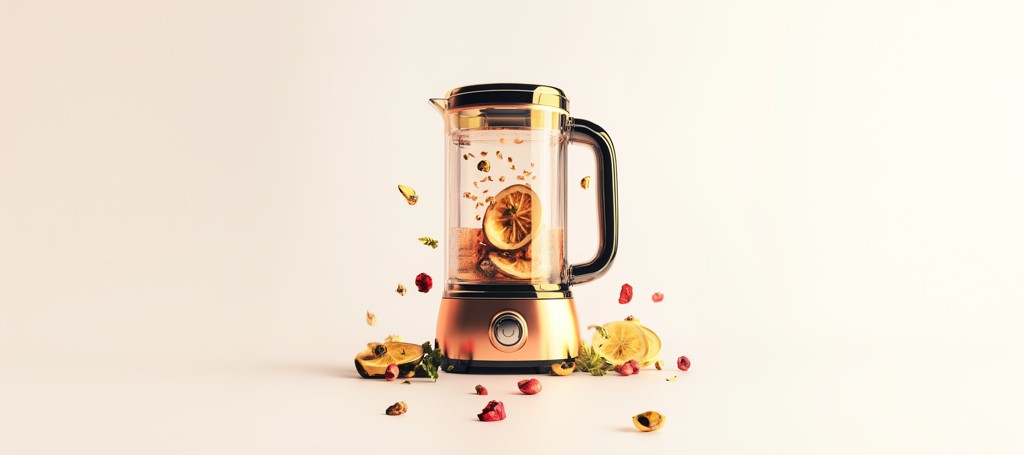
A blender is a common kitchen appliance used in cocktail making to blend, crush, and puree ingredients, typically to create smooth, frozen, or blended drinks. In bartending, it’s especially useful for cocktails that require crushed ice or a smooth consistency, such as Margaritas, Pina Coladas, Daiquiris, and frozen fruit-based drinks. Blenders help to combine ingredients like fruits, syrups, alcohol, and ice into a uniform texture, creating refreshing and creamy beverages. Some blenders come with different speed settings, allowing for control over the consistency of the drink, from a coarse slush to a fine, smooth mix.

Why it matters: Essential for frozen cocktails and drinks that need crushed ice or a smooth texture.
How to use it: Add liquid first, then fruit or ice, then blend until the consistency is right for the drink.

Cleaning tips: Clean the jug and blades straight after use so fruit, dairy, or syrup do not stick.

Fine Mesh Strainer

Fine Mesh Strainer

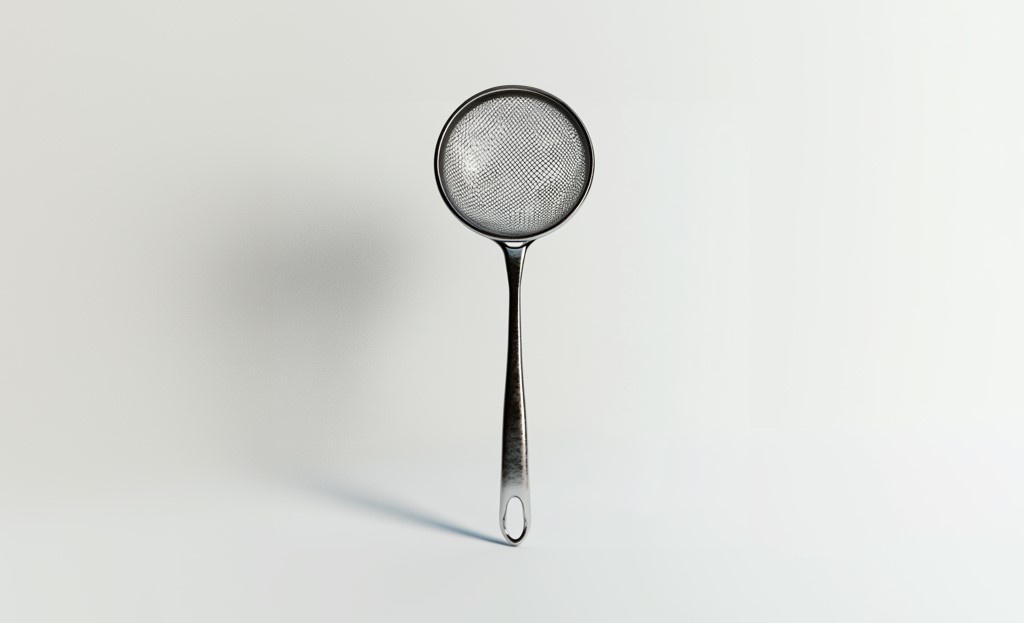
A fine mesh strainer is a bar tool used to strain cocktails, ensuring a smooth and clean finish by filtering out small particles, ice shards, or herbs from the liquid. It typically features a fine mesh screen and a handle, allowing bartenders to strain a drink into a glass or other container with precision. It’s often used when shaking cocktails with ingredients like citrus pulp or herbs, as it ensures the drink remains clear and free of unwanted debris. A fine mesh strainer is an essential tool for drinks like the Martini or Daiquiri, where a smooth, well-presented drink is key.

Why it matters: Important for double-straining drinks when you want a cleaner, more polished result.

How to use it: Hold it over the serving glass while straining from the shaker or mixing glass.

Cleaning tips: Rinse immediately so pulp and ice fragments do not clog the mesh.

Bottle Opener

Bottle Opener

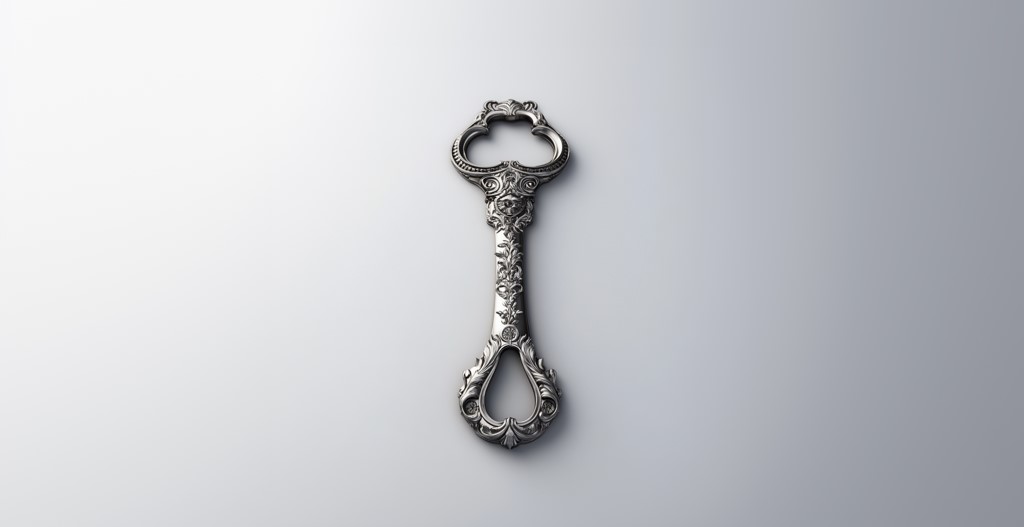
A bottle opener is a simple yet essential bar tool used to open bottled beverages, such as beer, soda, or other drinks with a capped lid. It typically has a metal or plastic design with a flat or curved end that hooks under the bottle cap, allowing the user to pry it off with ease. Bottle openers come in various forms, including handheld versions, wall-mounted openers, or keychain designs for portability. They are crucial in bars, restaurants, and homes for serving drinks and are often kept close at hand for quick access when opening bottles.

Why it matters: Useful whenever cocktails involve bottled mixers, soda, beer, tonic, or ready-to-drink elements.

How to use it: Hook under the cap and lever upward cleanly to remove it.

Cleaning tips: Wipe clean and keep it dry to avoid residue and corrosion.