
Agave Mexican Mule
A deeper Mexican Mule with reposado tequila, a touch of mezcal, lime, agave and ginger beer.
Ingredients: Reposado tequila, Mezcal, Fresh lime juice, Agave syrup, Ginger beer.
Learning individual recipes is useful. Learning cocktail families is transformative. Once you recognise the structure of a Sour, Collins, Fizz, Rickey, Mule or Highball, hundreds of drinks stop looking like unrelated lists of ingredients and begin to make sense as variations on a small number of ideas.
A Sour combines a base spirit, citrus and sweetness. Whiskey Sour, Daiquiri and Margarita all belong to this broad logic even though their personalities differ. Egg white is optional and changes texture rather than family. The essential skill is balancing acidity against sugar while preserving the spirit.
A Collins takes a Sour-like base and lengthens it with soda in a tall glass over ice. Tom Collins is the best-known example. The result is refreshing and structured: more flavour than a simple spirit and soda, but lighter than a short Sour.
A Fizz is also spirit, citrus, sweetener and carbonation, but it is traditionally shaken and often served without ice in a smaller glass. Gin Fizz is brisk and foamy; Ramos Gin Fizz adds cream, egg white and orange flower water to create an entirely different texture.
A Rickey is drier. Spirit, lime and soda create a sharp, refreshing drink with little or no added sugar. Gin Rickey and Vodka Rickey are ideal for drinkers who want citrus and length without a sweet finish.
A Mule combines spirit, lime and ginger beer. It is technically close to a Buck and overlaps with the highball world, but ginger is central enough to give it a distinct identity. Changing vodka for tequila, bourbon or Irish whiskey alters the character while preserving the family resemblance.
At its broadest, a Highball is spirit plus a larger measure of a non-alcoholic mixer served tall over ice. Whiskey Highball and Scotch & Soda emphasise the spirit; fruitier versions can overlap with Coolers and other long drinks. Cold temperature, strong carbonation and good ice matter more than complicated technique.
Families are guides, not laws. Cocktail history is messy and names overlap. The value lies in prediction: from the family, you can anticipate sweetness, strength, texture, glassware and method. Master one representative of each, then use the linked variations to understand how bartenders create new drinks without starting from nothing.
Browse every active cocktail currently linked to this collection.
A deeper Mexican Mule with reposado tequila, a touch of mezcal, lime, agave and ginger beer.
Ingredients: Reposado tequila, Mezcal, Fresh lime juice, Agave syrup, Ginger beer.
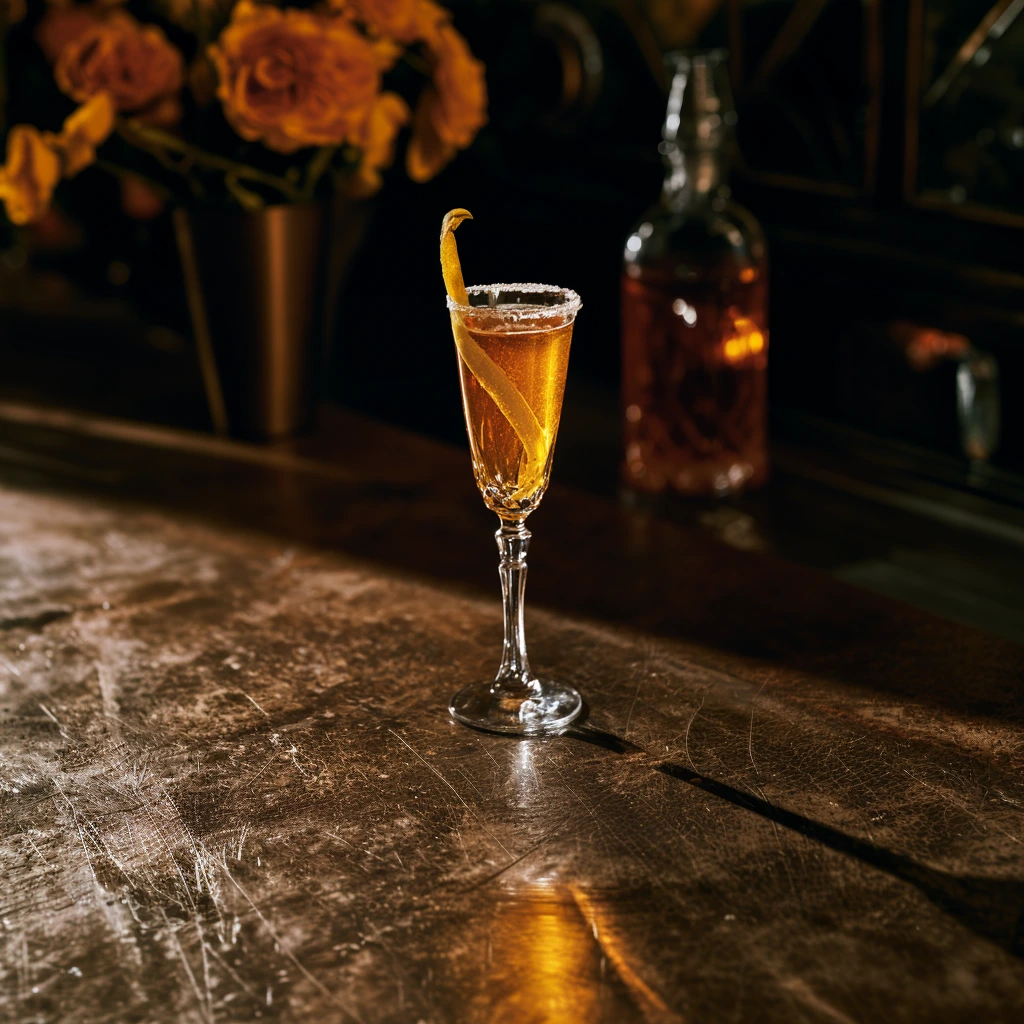
A foundational nineteenth-century sour built from Cognac, citrus, orange liqueur, maraschino and bitters, finished with its famous sugar crust.
Ingredients: 50 ml Cognac; 10 ml orange curaçao; 7.5 ml maraschino liqueur; 5 ml rich sugar syrup; 15 ml fresh lemon juice; 2 dashes Angostura bitters.

A crisp cocktail made with lime and rum.
Ingredients: Rum, lime juice, sugar syrup. Shake with ice and serve chilled.
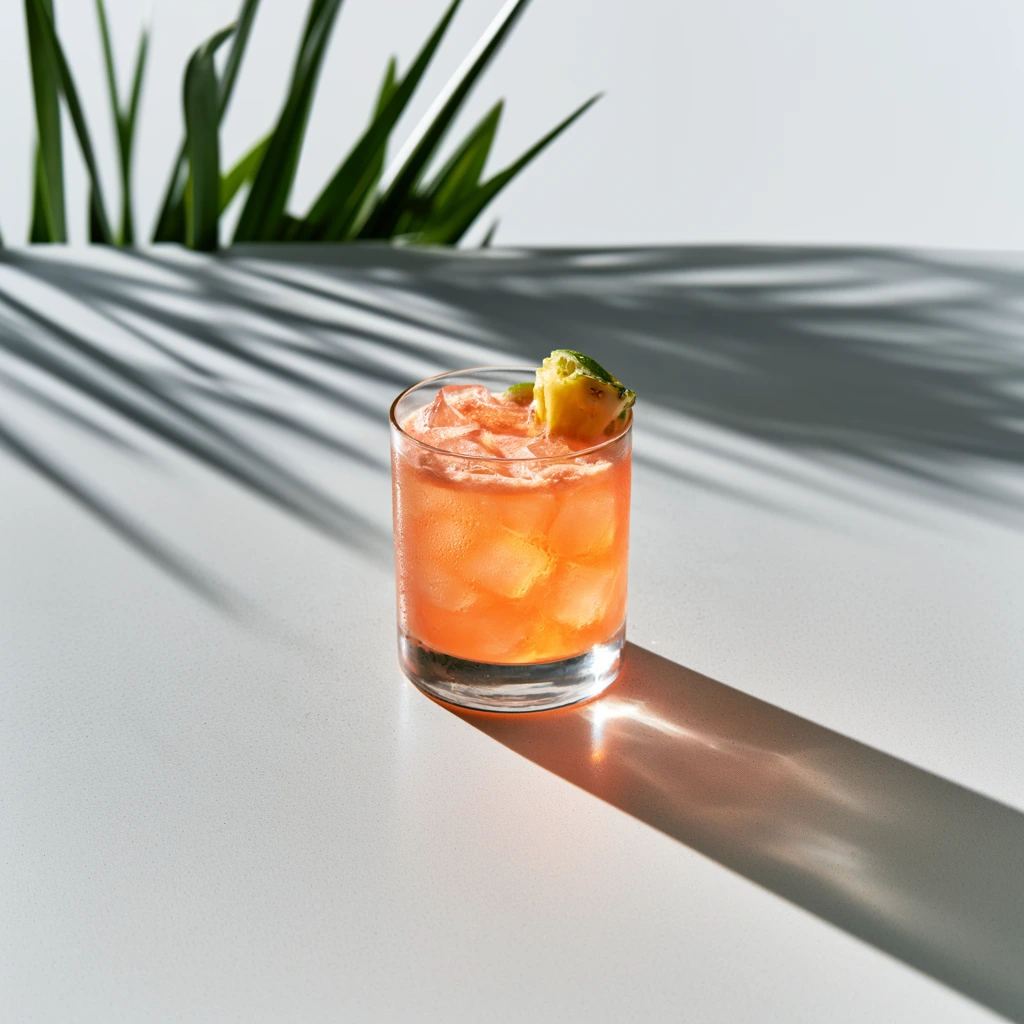
A vivid modern vodka cocktail combining pineapple and passion fruit with lime and the bittersweet orange bite of Aperol.
Ingredients: 45 ml vodka; 15 ml Aperol; 20 ml pineapple juice; 15 ml fresh lime juice; 7.5 ml rich sugar syrup; 5 ml passion fruit syrup.

Elderflower Collins combines Gin with Elderflower Liqueur, lemon juice, and Sugar syrup, finishing with a lively, refreshing lift.
Ingredients: Gin, Elderflower liqueur, lemon juice, Sugar syrup, Soda water. Serve well chilled.
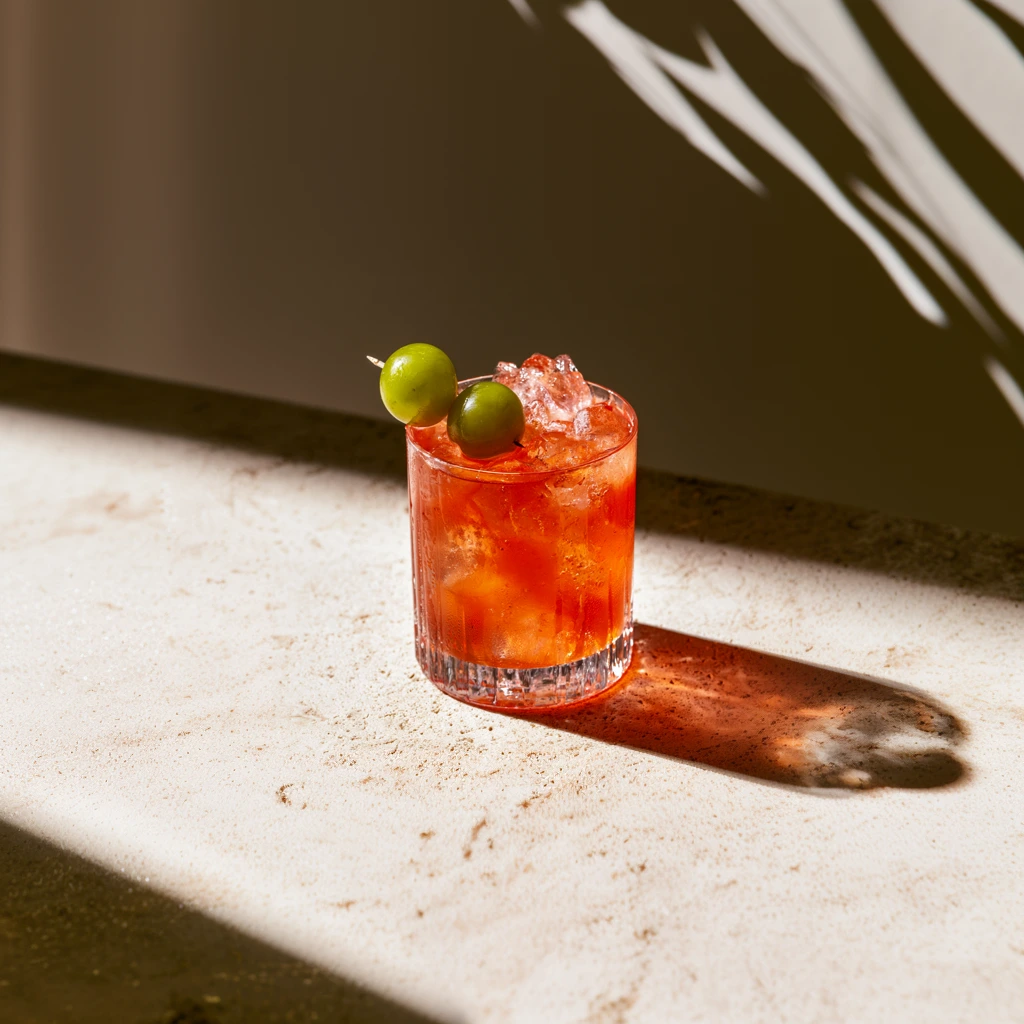
A modern gin-and-Campari sour softened by muddled fresh green grapes, lemon and sugar.
Ingredients: 5 fresh green grapes; 30 ml London dry gin; 30 ml Campari; 20 ml fresh lemon juice; 15 ml rich sugar syrup.

A refreshing gin cocktail with lemon and soda.
Ingredients: Gin, Lemon Juice, Simple Syrup, Soda Water.
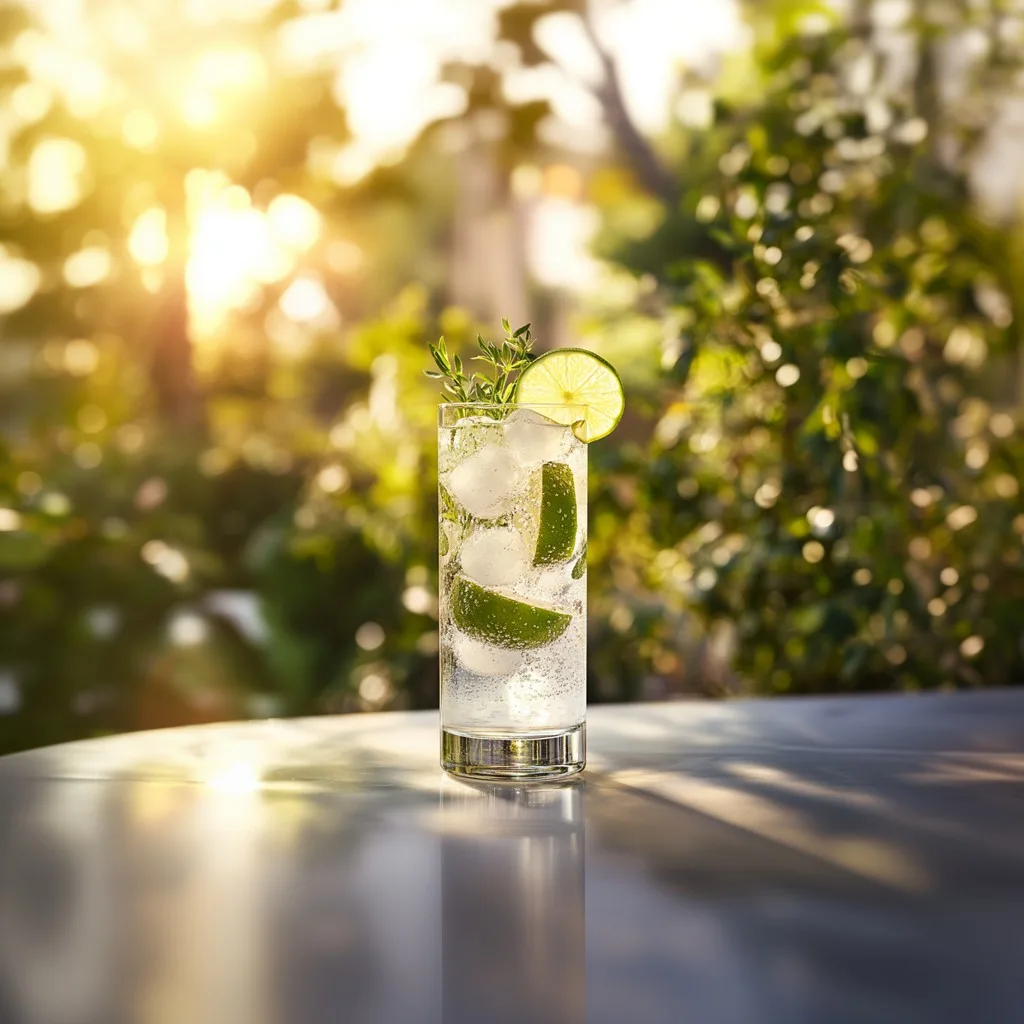
A dry gin highball with lime and soda. Crisp, unsweetened, refreshing and sharper than a Collins.
Ingredients: Gin, Lime Juice, Soda Water.
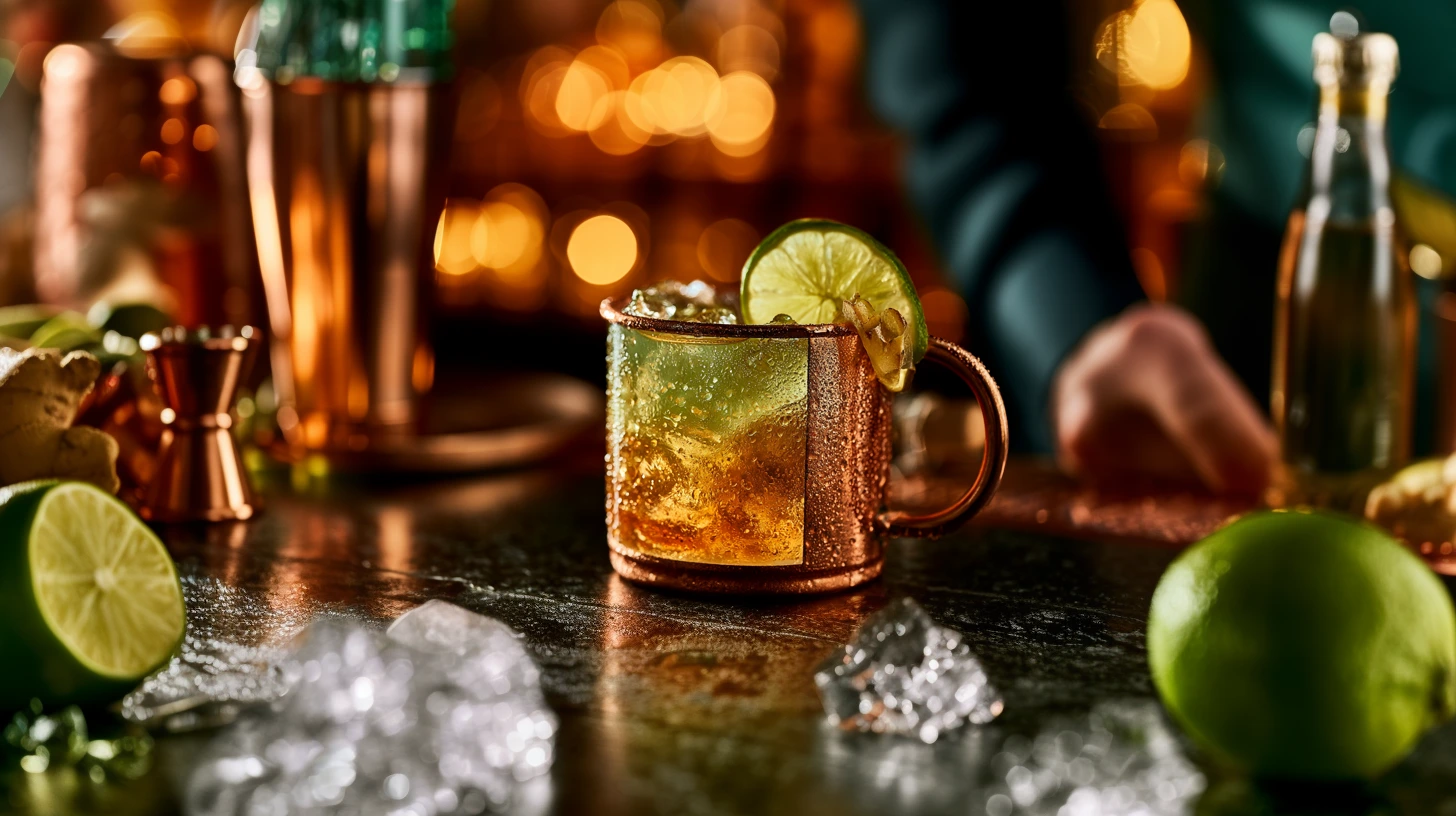
Irish Mule combines Irish whiskey with lime juice and Ginger Beer, finishing with a lively, refreshing lift.
Ingredients: Irish whiskey, lime juice, and Ginger Beer.
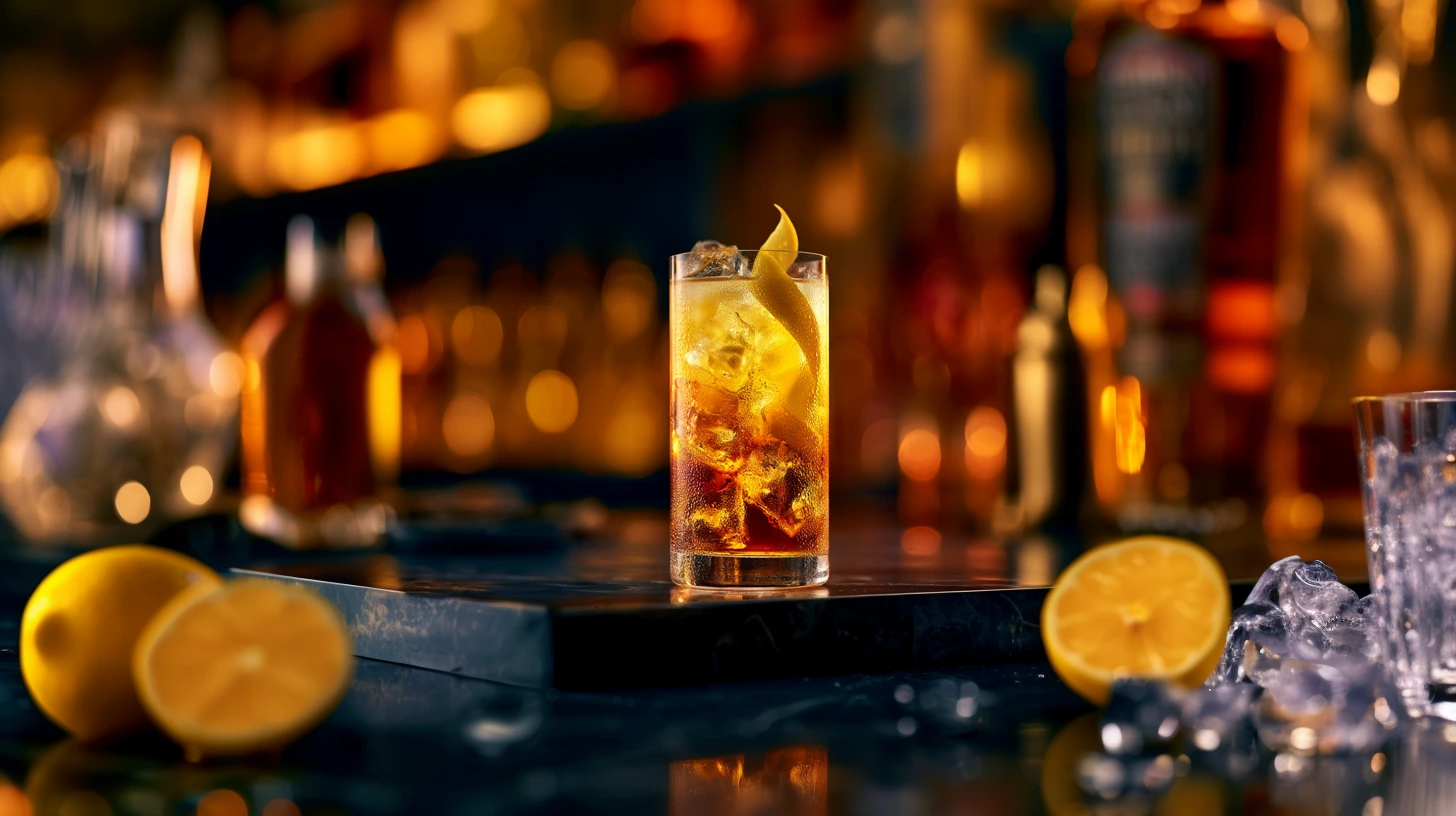
Japanese Highball combines Japanese Whisky with Soda Water and Lemon twist, finishing with a lively, refreshing lift.
Ingredients: Japanese whisky, Soda water, Lemon twist. Serve well chilled.

John Collins combines Bourbon with lemon juice, Sugar syrup, and Soda Water, finishing with a lively, refreshing lift.
Ingredients: Bourbon, lemon juice, Sugar syrup, Soda water. Serve well chilled.
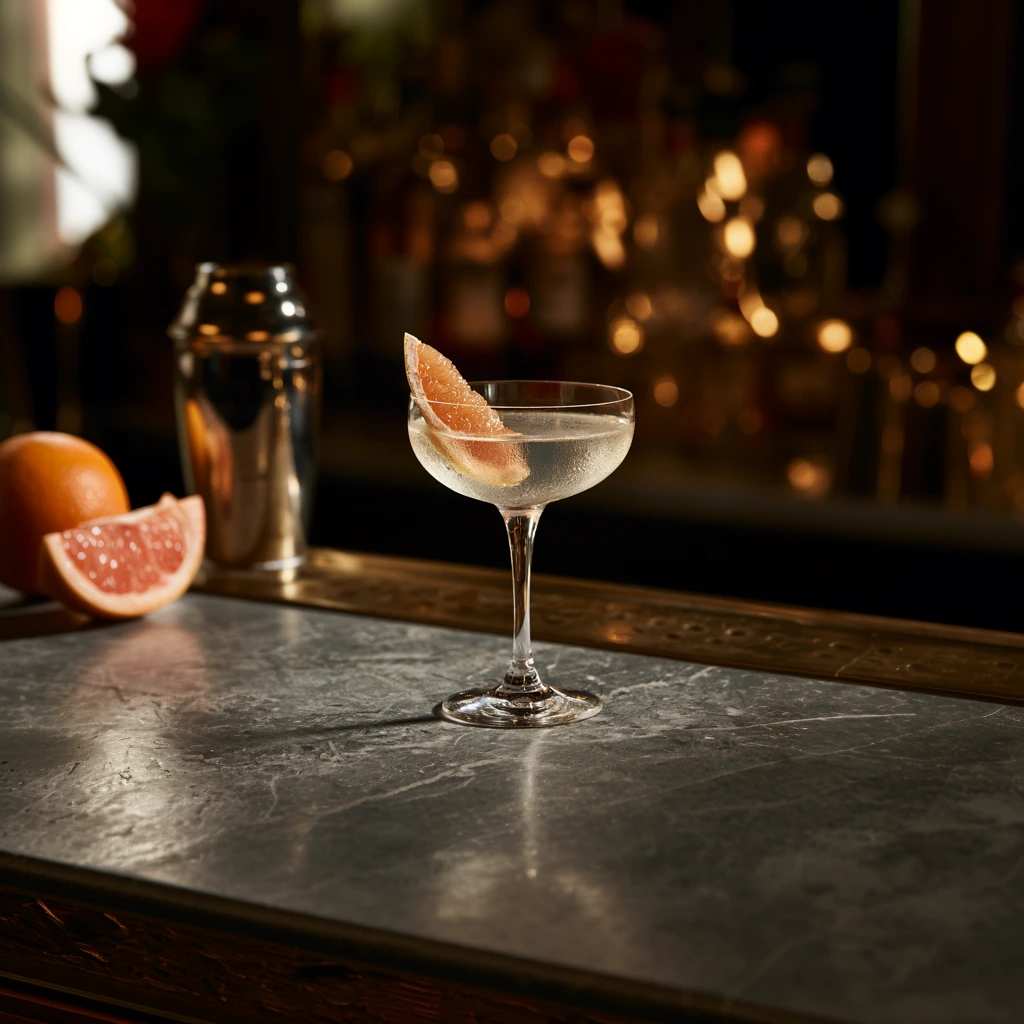
A crisp modern gin sour sharpened by fino sherry, lemon, rich syrup and orange bitters.
Ingredients: 50 ml London dry gin; 15 ml fino sherry; 15 ml fresh lemon juice; 15 ml rich sugar syrup; 2 dashes orange bitters.
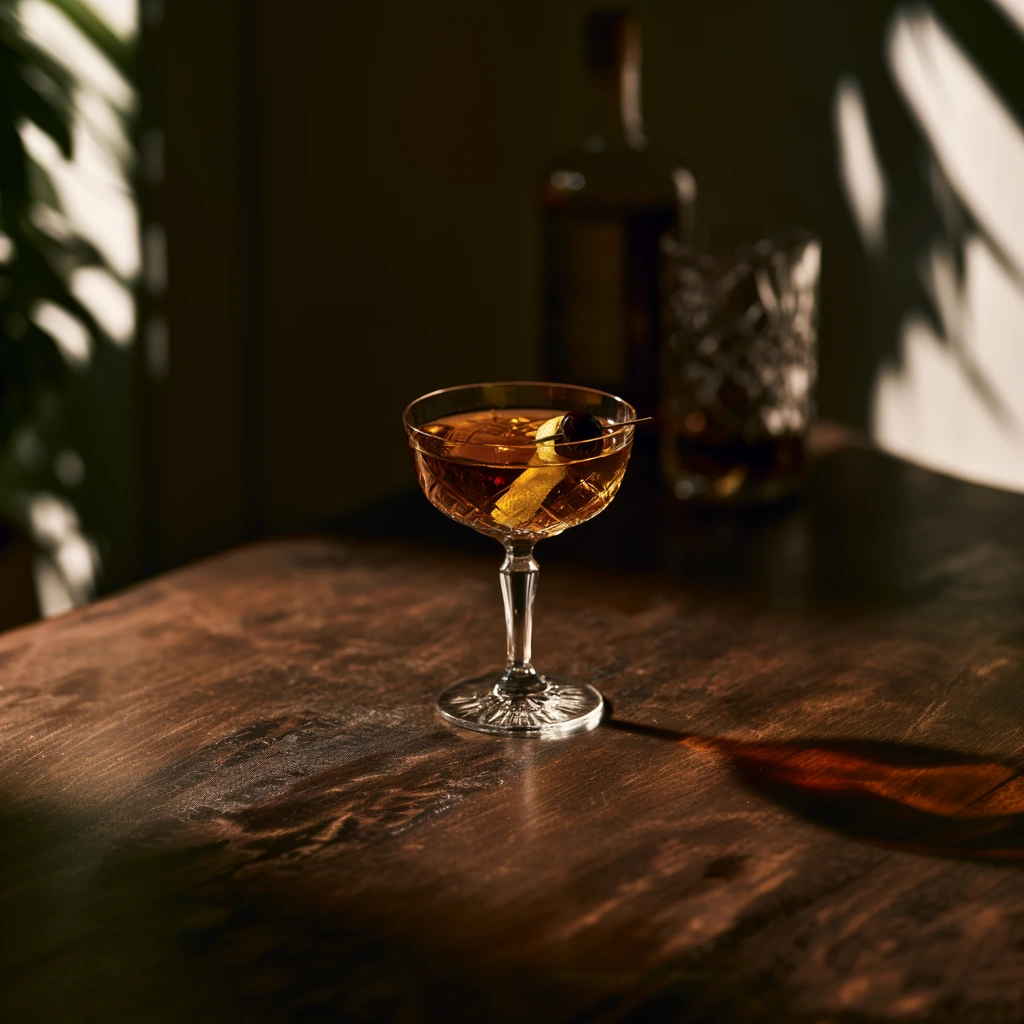
A bright bourbon sour variation with orange liqueur, sweet vermouth and lemon.
Ingredients: 45 ml bourbon; 15 ml triple sec; 15 ml sweet vermouth; 15 ml fresh lemon juice; 2.5 ml rich sugar syrup.

A zesty drink featuring lime and tequila.
Ingredients: Tequila, lime juice, triple sec, salt rim. Serve chilled.
Mexican Mule combines Blanco tequila with lime juice and Ginger Beer, finishing with a lively, refreshing lift.
Ingredients: Blanco tequila, lime juice, and Ginger Beer.

A refreshing cocktail made with vodka, ginger beer, and lime, served in a signature copper mug.
Ingredients: Vodka, ginger beer and lime juice.

A creamy and frothy gin cocktail with citrus and orange blossom.
Ingredients: Gin, Lemon Juice, Lime Juice, Cream, Egg White, Simple Syrup, Orange Blossom Water, Soda Water.
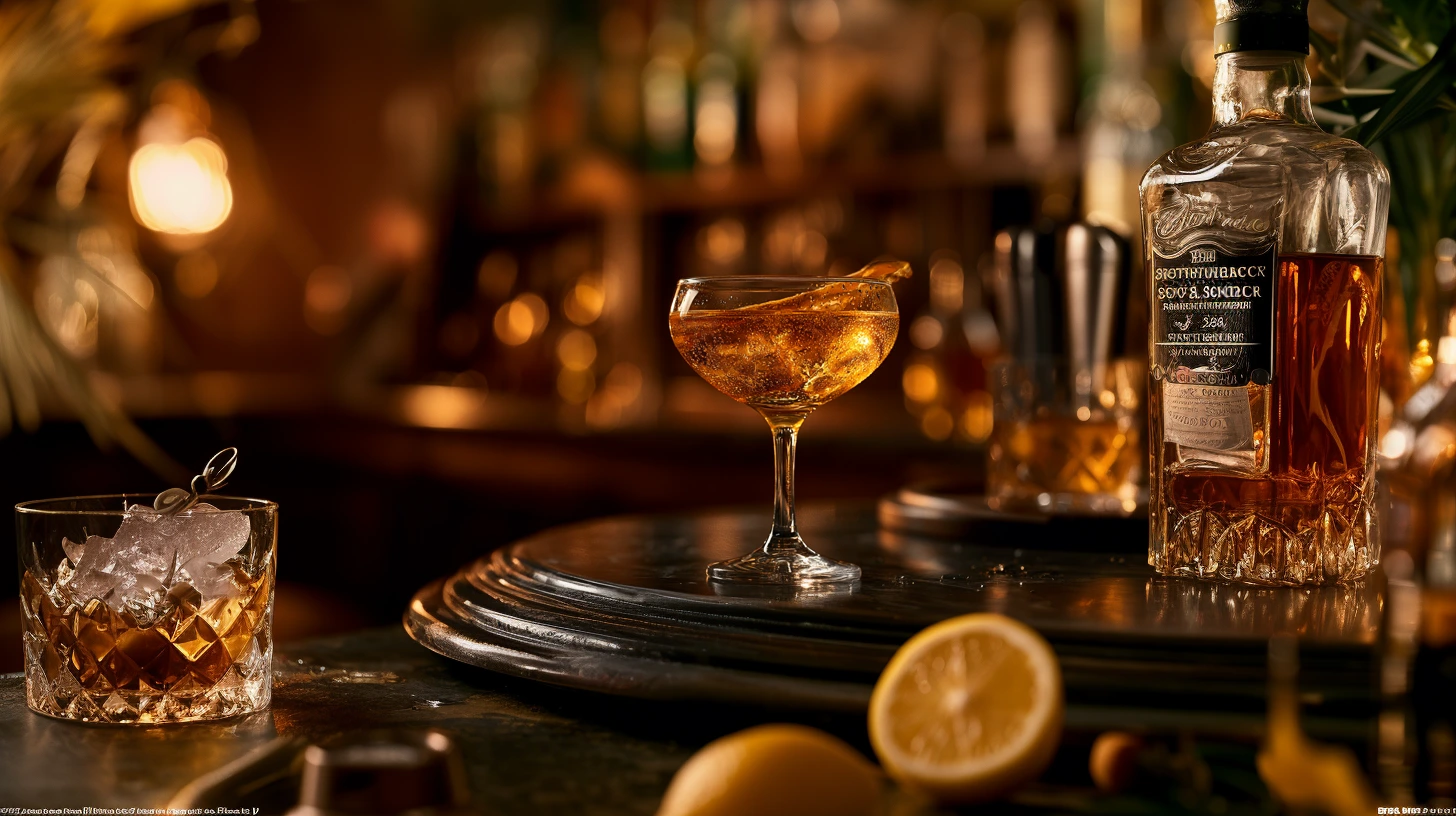
Scotch & Soda combines Scotch whisky with Soda Water, finishing with a lively, refreshing lift.
Ingredients: Scotch whisky and Soda Water.
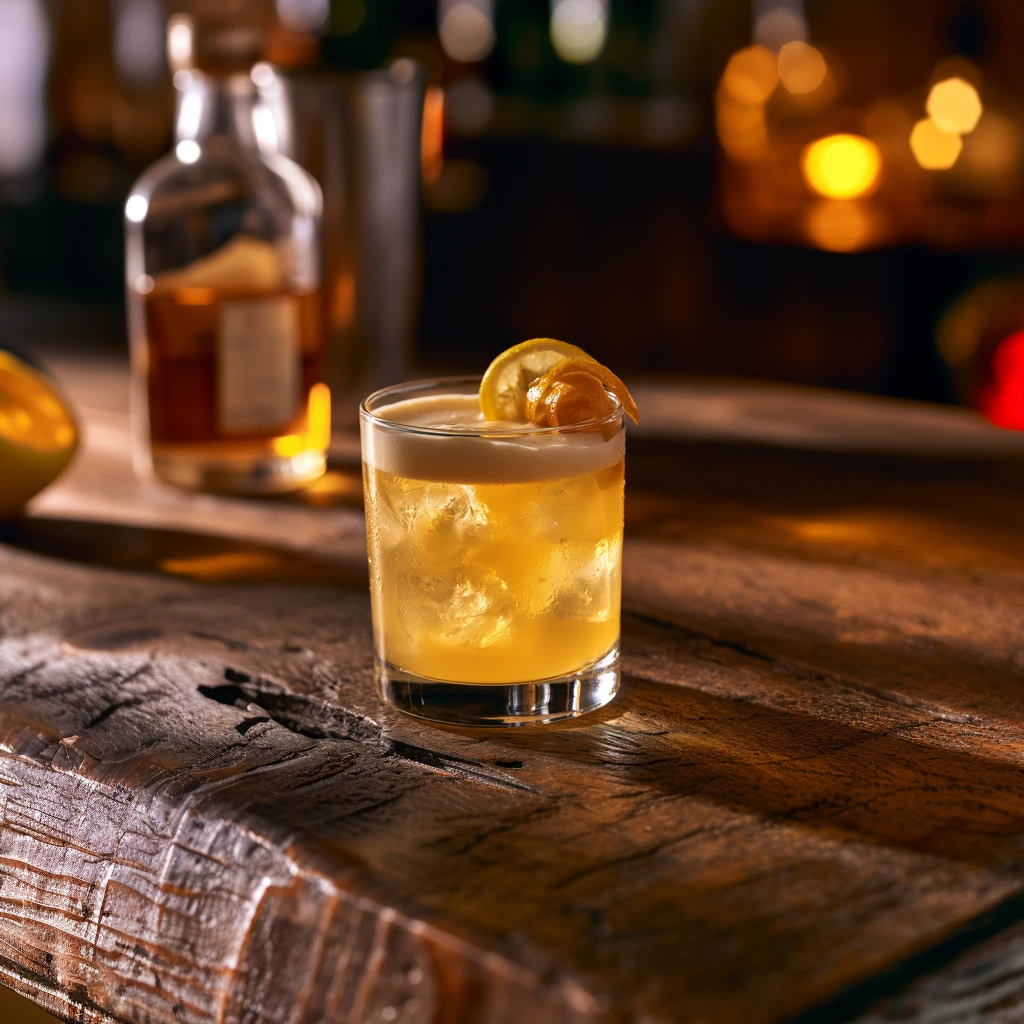
A whisky sour built specifically around Scotch, with lemon, rich syrup and an optional silky egg-white head.
Ingredients: 60 ml blended Scotch whisky; 30 ml fresh lemon juice; 20 ml rich sugar syrup; 15 ml pasteurised egg white; 2 dashes aromatic bitters.

A refreshing gin cocktail with lemon juice, sugar, and soda water, served in a Collins glass.
Ingredients: Gin, lemon juice and simple syrup.
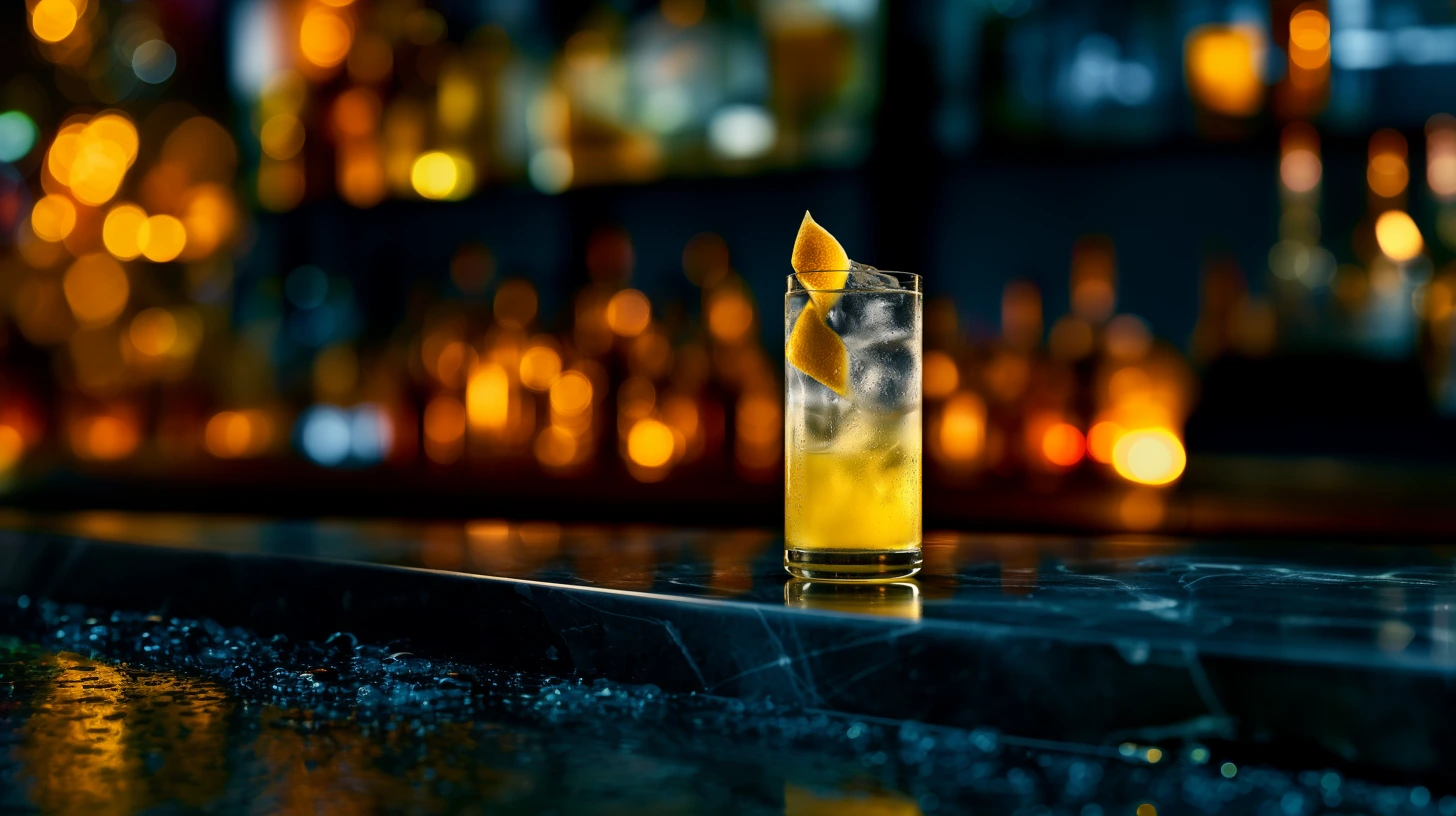
Vodka Collins combines Vodka with lemon juice, Sugar syrup, and Soda Water, finishing with a lively, refreshing lift.
Ingredients: Vodka, lemon juice, Sugar syrup, and Soda Water.
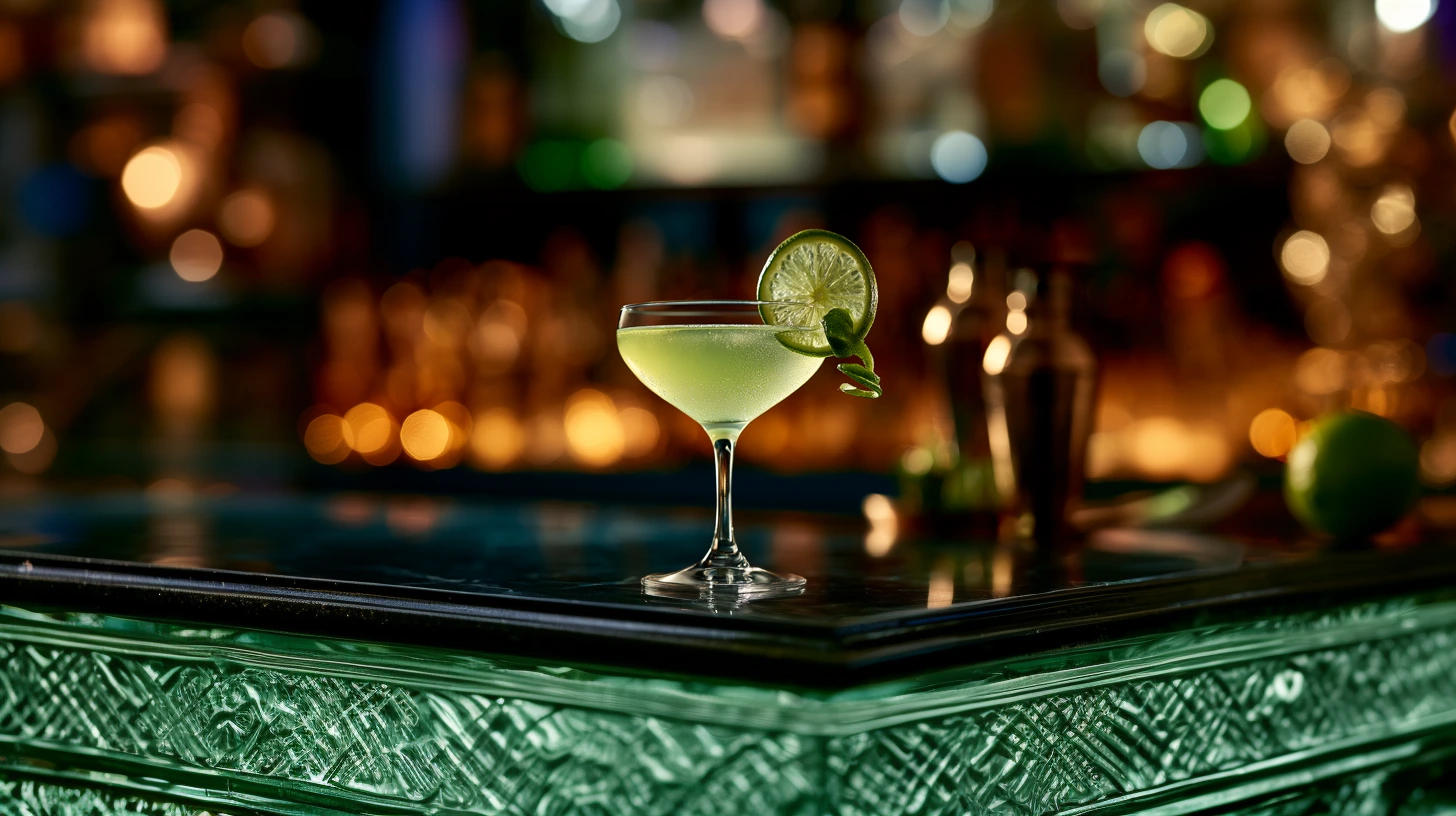
Vodka Rickey combines Vodka with lime juice and Soda Water, finishing with a lively, refreshing lift.
Ingredients: Vodka, lime juice, and Soda Water.
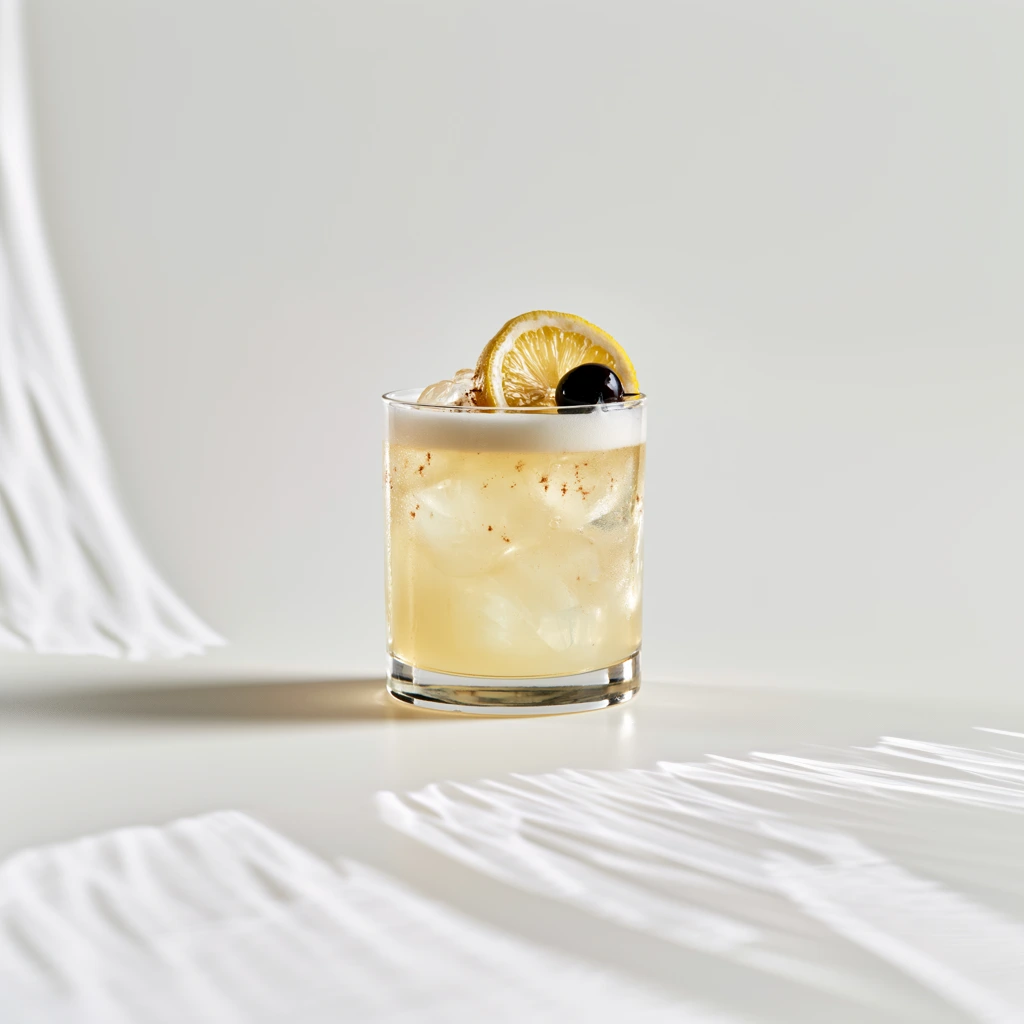
A clean, bright sour of vodka, fresh lemon, rich sugar syrup, bitters and optional egg white.
Ingredients: 60 ml vodka; 30 ml fresh lemon juice; 15 ml rich sugar syrup; 3 dashes Angostura bitters; 2 drops 20% saline solution; 15 ml pasteurised egg white.
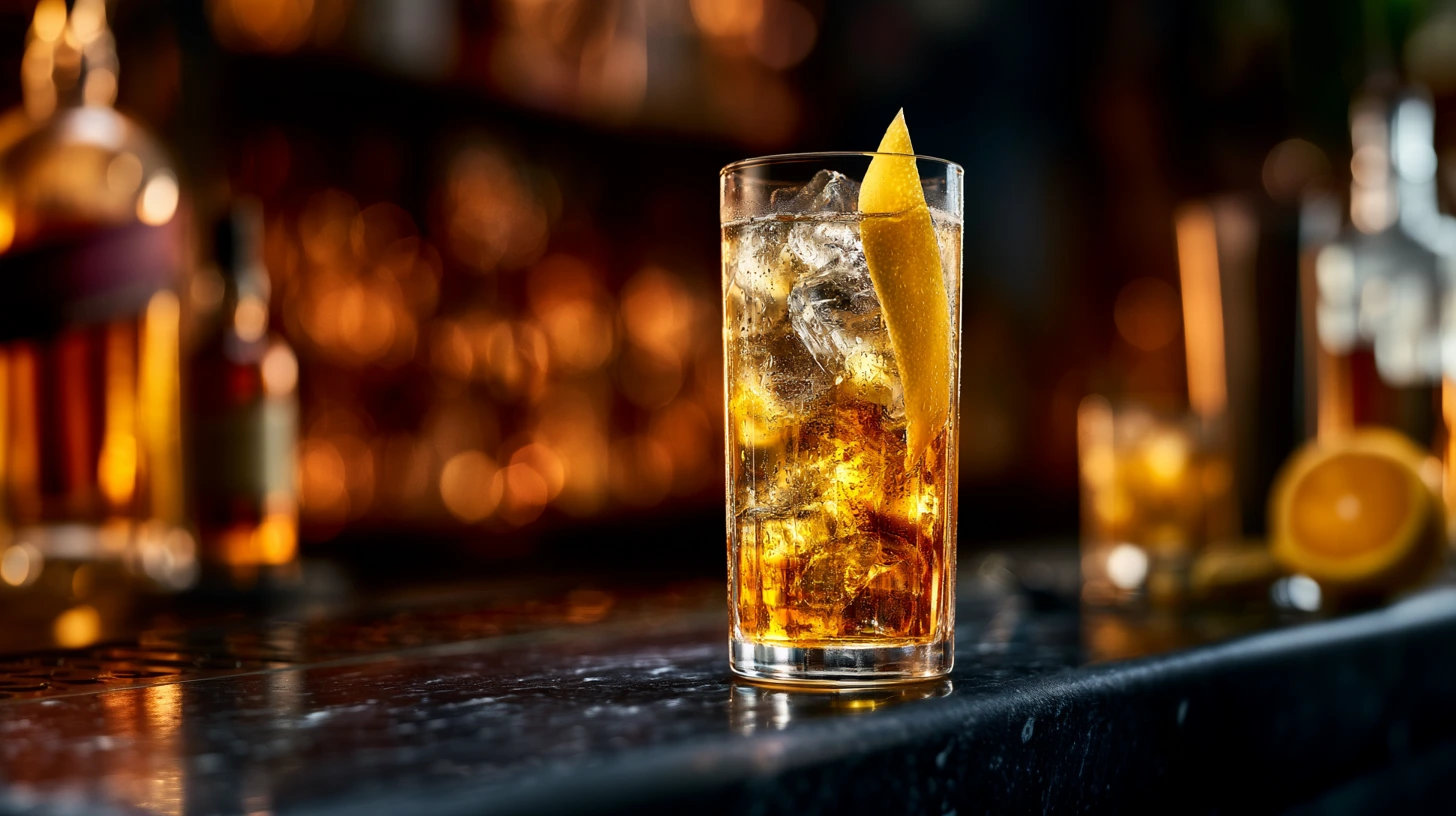
Whiskey Highball combines Whisky with Soda Water and Lemon twist, finishing with a lively, refreshing lift.
Ingredients: Whisky, Soda water, Lemon twist. Serve well chilled.

A tangy mix of whiskey and lemon juice.
Ingredients: Whiskey, lemon juice, sugar syrup. Shake with ice.