
Americano
Americano is fresh, sparkling and social, with Campari, Sweet Vermouth and Soda Water giving the drink a clearer flavour story and a more useful reason to make it.
Ingredients: Campari, Sweet Vermouth, Soda Water.

The Negroni is a rare cocktail that feels both rigid and endlessly adaptable. The classic equal-parts combination of gin, red bitter aperitif and sweet vermouth is instantly recognisable: bitter, aromatic, orange-led and spirit-forward. Change one component carefully and the family expands without losing its backbone.
Gin brings botanical strength, vermouth supplies sweetness and spice, and the bitter aperitif creates the drink's defining tension. Equal parts are memorable, but not compulsory. Many bartenders increase the gin for a drier, more spirit-led result. The drink should be stirred with ice and diluted enough for the bitterness to open rather than attack.
The White Negroni swaps the red components for pale bitter and aromatised ingredients. It is often more floral, herbal and sharply bitter, despite its lighter colour. This is a useful reminder that appearance does not predict weight or intensity.
Toasted Coconut Negroni and Coconut Ember Negroni use coconut's aroma and fat-associated richness to soften the bitter edges. Coconut Negroni Colada pushes the idea towards tropical territory. The challenge is preserving bitterness and structure so the drink does not become a generic creamy rum cocktail.
Strawberries and Cream Negroni sounds playful, but the best version keeps the original's adult bitterness visible beneath fruit and dairy-like richness. Modern variations work when they create contrast, not when they simply add sweetness.
The Boulevardier replaces gin with whiskey, producing more oak and warmth. The Americano removes the strong spirit and adds soda, making a lighter, longer ancestor. Comparing all three reveals how one family can move from aperitif refreshment to after-dinner depth.
Use a large clear cube for rocks serves or strain into a chilled coupe. Expressed orange peel remains the most reliable garnish because it connects the drink's citrus and bitter aromas. Avoid overloaded garnishes that distract from its disciplined character.
Start with the classic, then taste a White Negroni and a whiskey-led Boulevardier before exploring coconut or fruit. Understanding the original makes the creativity of each variation much easier to appreciate.
Browse every active cocktail currently linked to this collection.
Americano is fresh, sparkling and social, with Campari, Sweet Vermouth and Soda Water giving the drink a clearer flavour story and a more useful reason to make it.
Ingredients: Campari, Sweet Vermouth, Soda Water.

A whiskey-based Negroni variation with a rich flavor.
Ingredients: Bourbon, Campari, Sweet Vermouth.
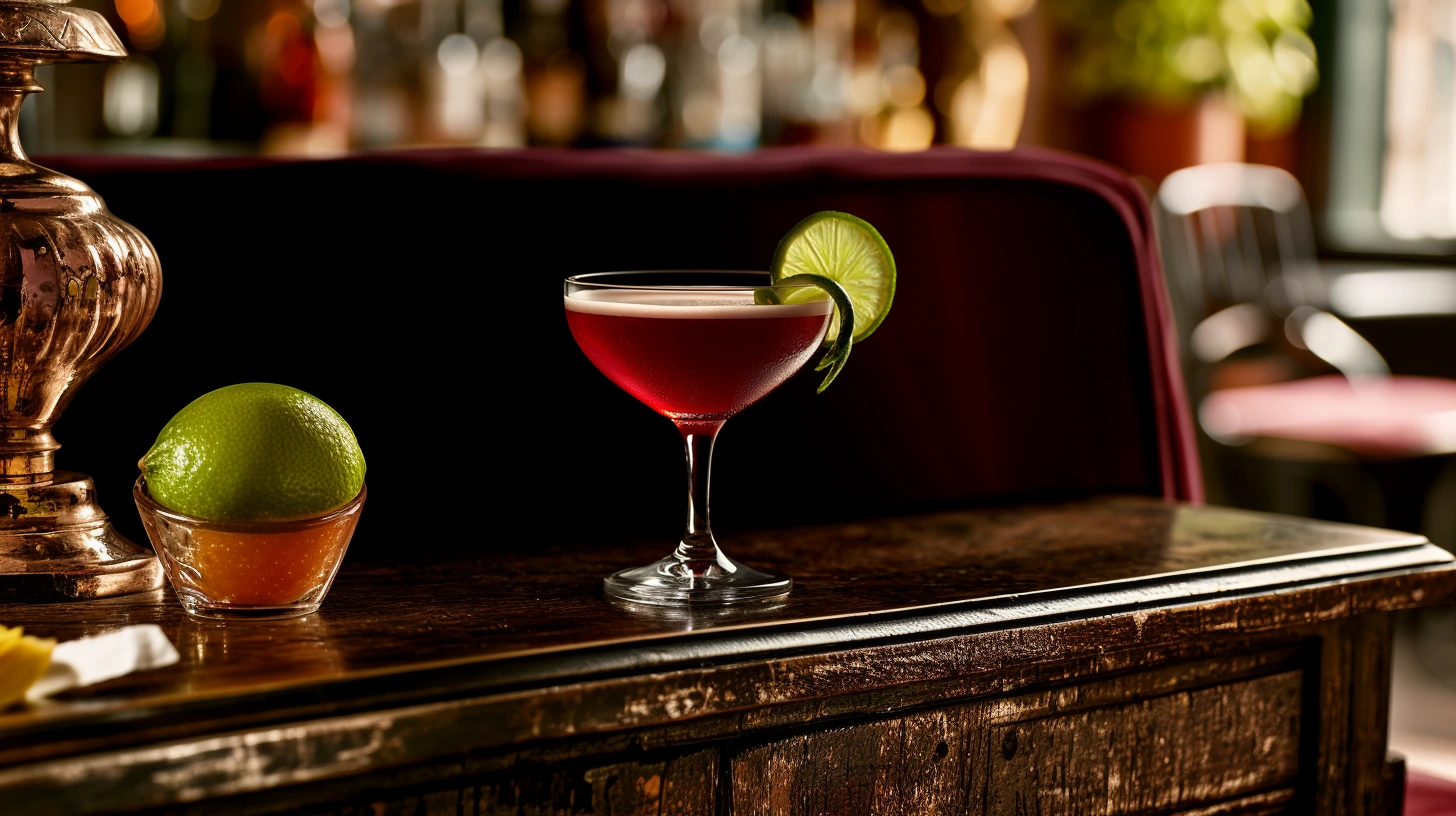
A smoky, coconut-scented Negroni with gin, mezcal, Campari and sweet vermouth.
Ingredients: Gin, Mezcal, Campari, Sweet vermouth, Toasted coconut syrup.
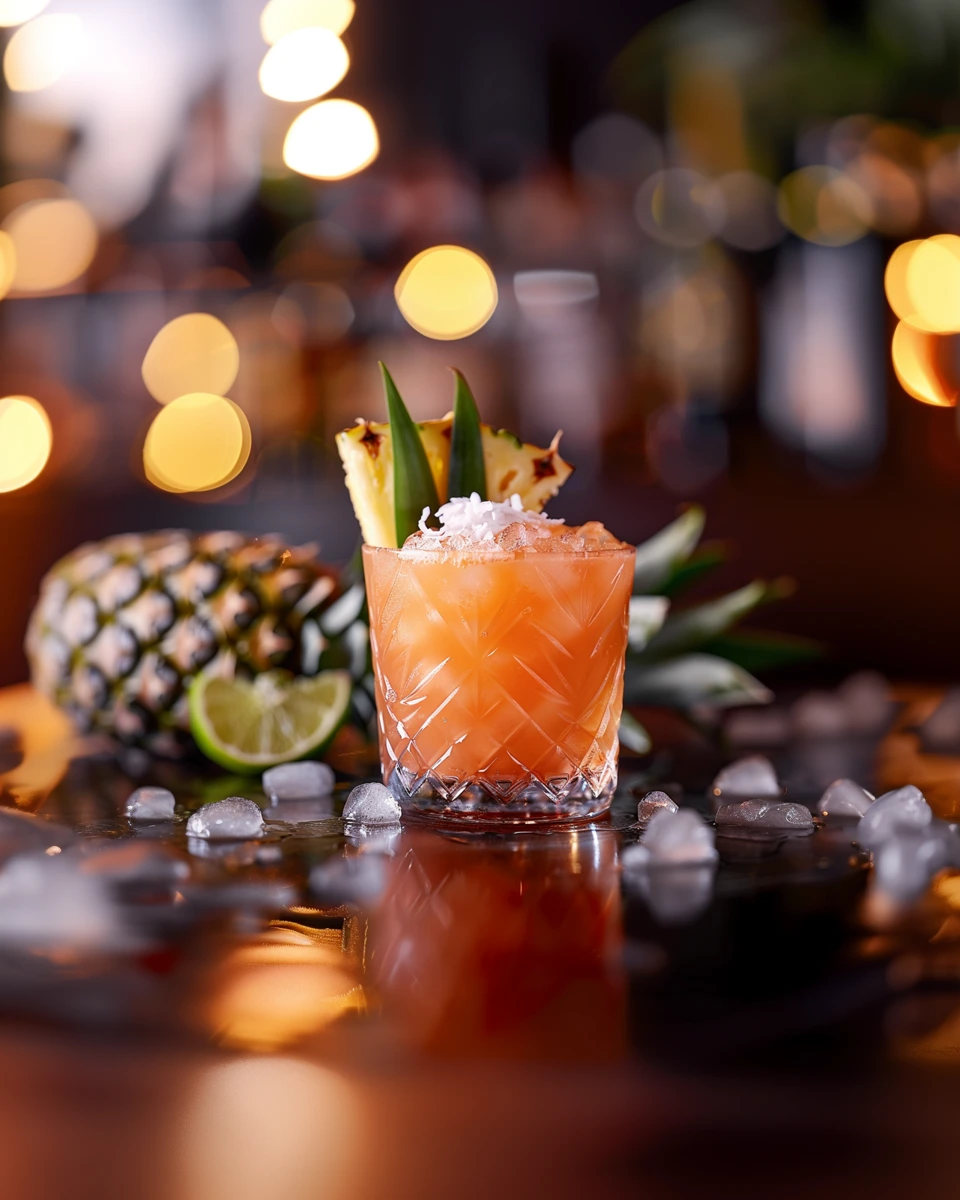
A tropical bittersweet cocktail that blends Negroni intensity with creamy Piña Colada energy.
Ingredients: Gin, Campari, sweet vermouth, pineapple juice, coconut cream and lime. Shake over ice.
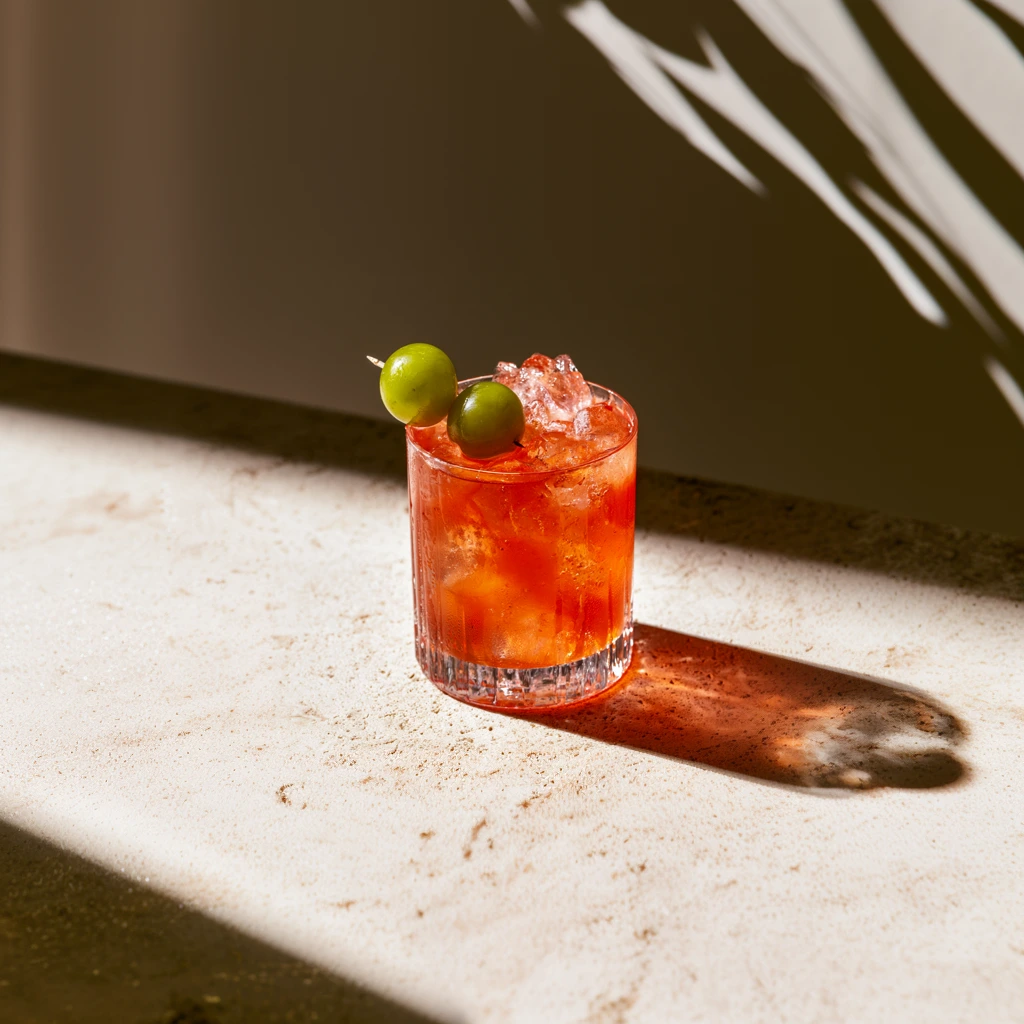
A modern gin-and-Campari sour softened by muddled fresh green grapes, lemon and sugar.
Ingredients: 5 fresh green grapes; 30 ml London dry gin; 30 ml Campari; 20 ml fresh lemon juice; 15 ml rich sugar syrup.
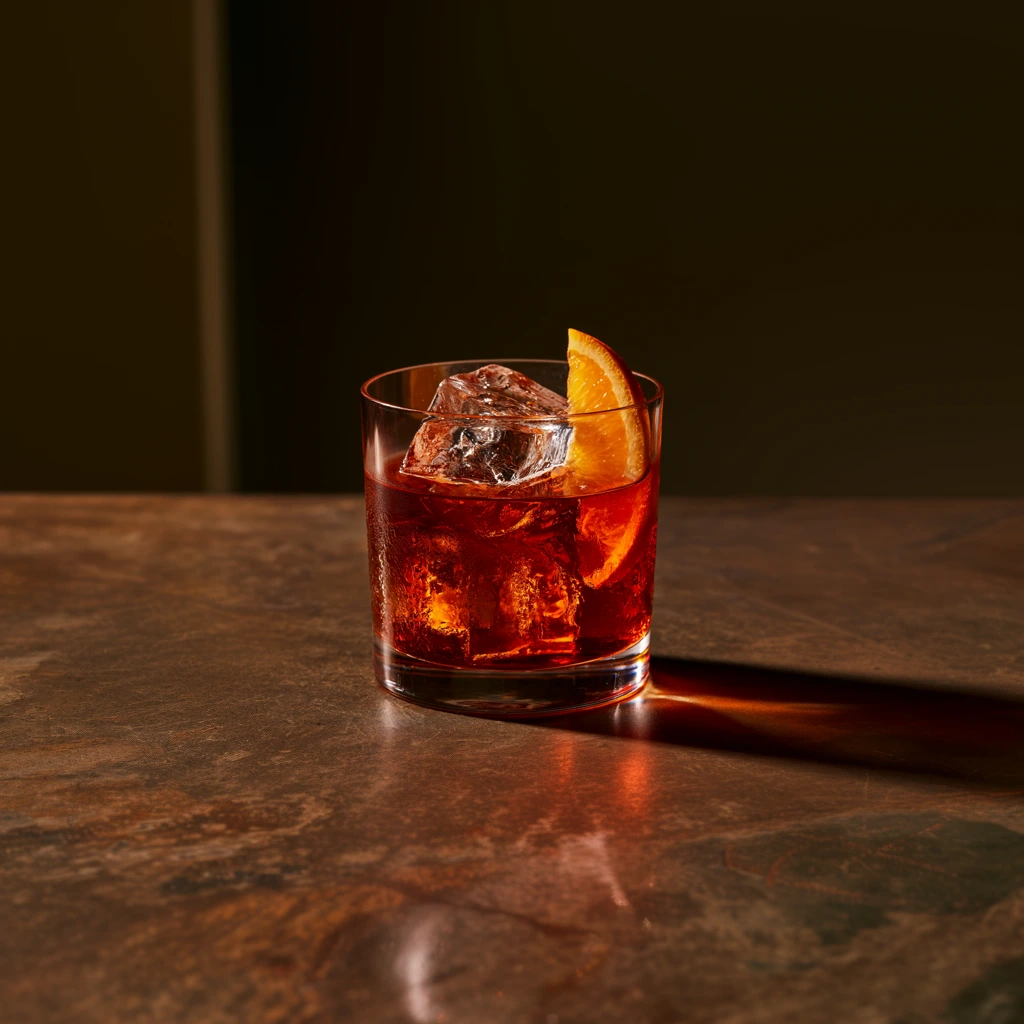
A two-ingredient Italian aperitivo of Campari and sweet vermouth that sits directly in the family tree of the Americano and Negroni.
Ingredients: 45 ml Campari; 45 ml sweet vermouth.

A bold, bittersweet Italian cocktail with gin.
Ingredients: Gin, Campari, sweet vermouth. Stir and serve over ice.
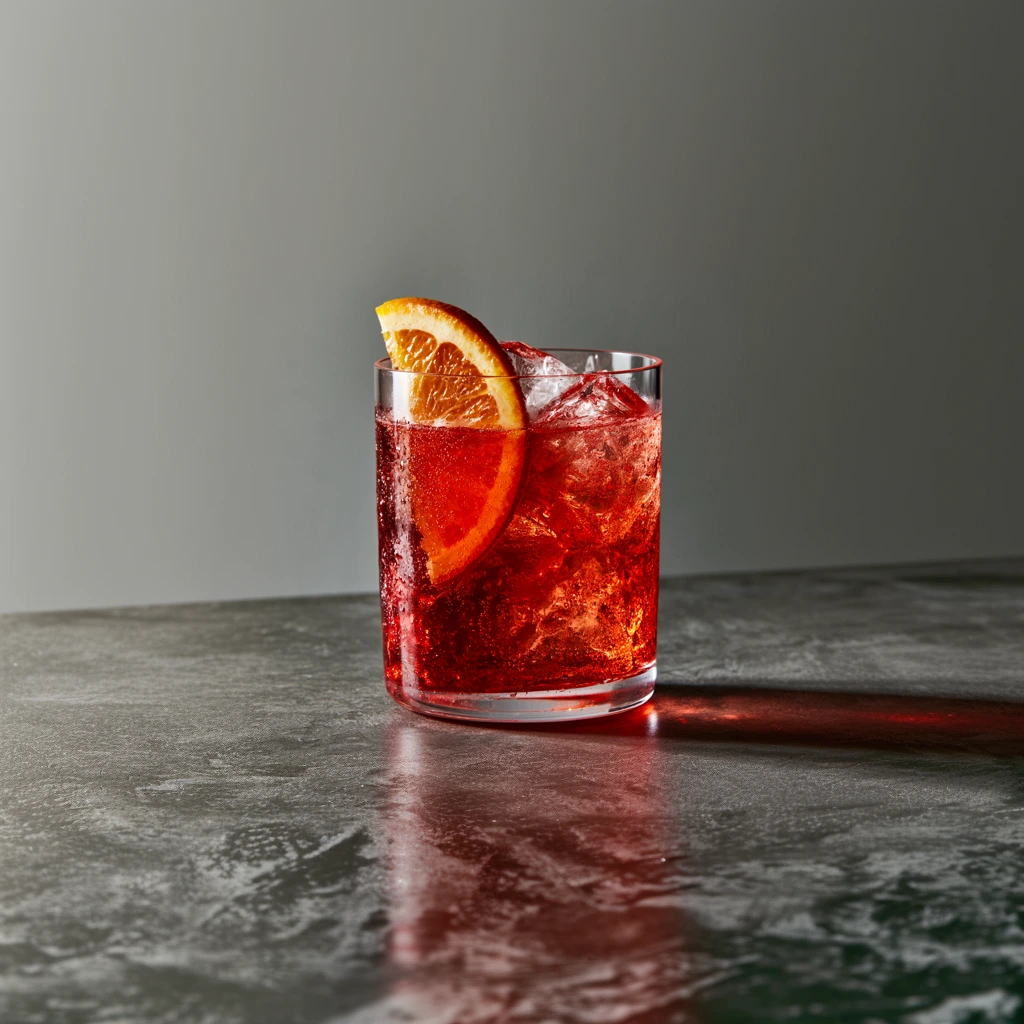
A lighter, sparkling Negroni relative in which sparkling wine replaces gin alongside Campari and sweet vermouth.
Ingredients: 30 ml sweet vermouth; 30 ml Campari; 60 ml chilled Prosecco.
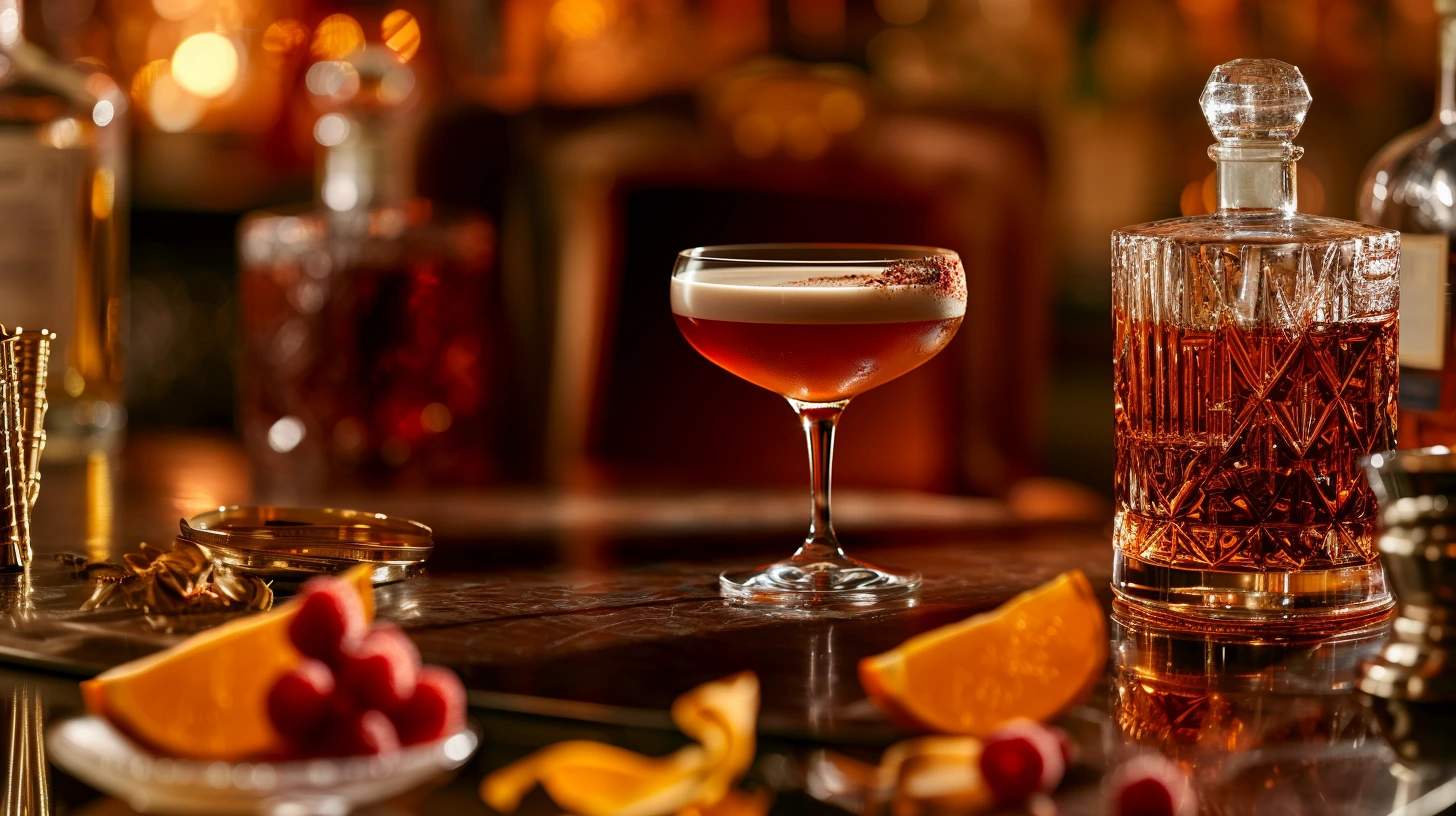
A plush Negroni variation with gin, Campari, sweet vermouth, strawberry and a subtle white-chocolate cream note.
Ingredients: Gin, Campari, Sweet vermouth, Strawberry liqueur, White chocolate liqueur.
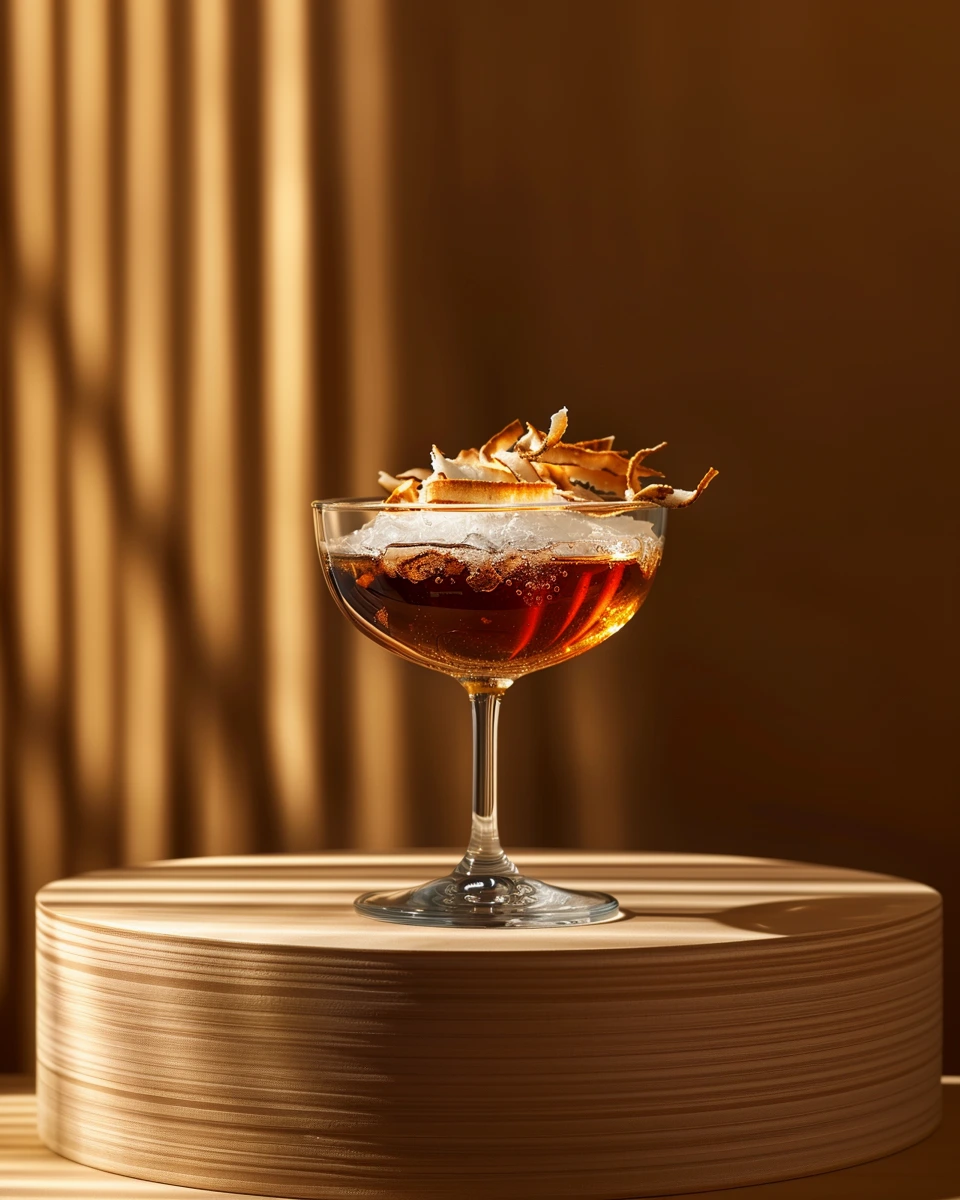
Toasted Coconut Negroni layers Gin with Toasted coconut syrup, Bitters, and Bitter aperitif tincture for a deeper, aromatic cocktail built for slower sipping.
Ingredients: Gin, Toasted coconut syrup, bitters, Bitter aperitif tincture, Expressed citrus peel. Serve well chilled.

White Negroni is grown-up, bittersweet and beautifully structured, with Gin, Suze, blanc vermouth and and a lemon twist giving the drink a clearer flavour story and a more useful reason to make it.
Ingredients: Gin, Suze, blanc vermouth, ice, and a lemon twist. Stir and serve over ice.