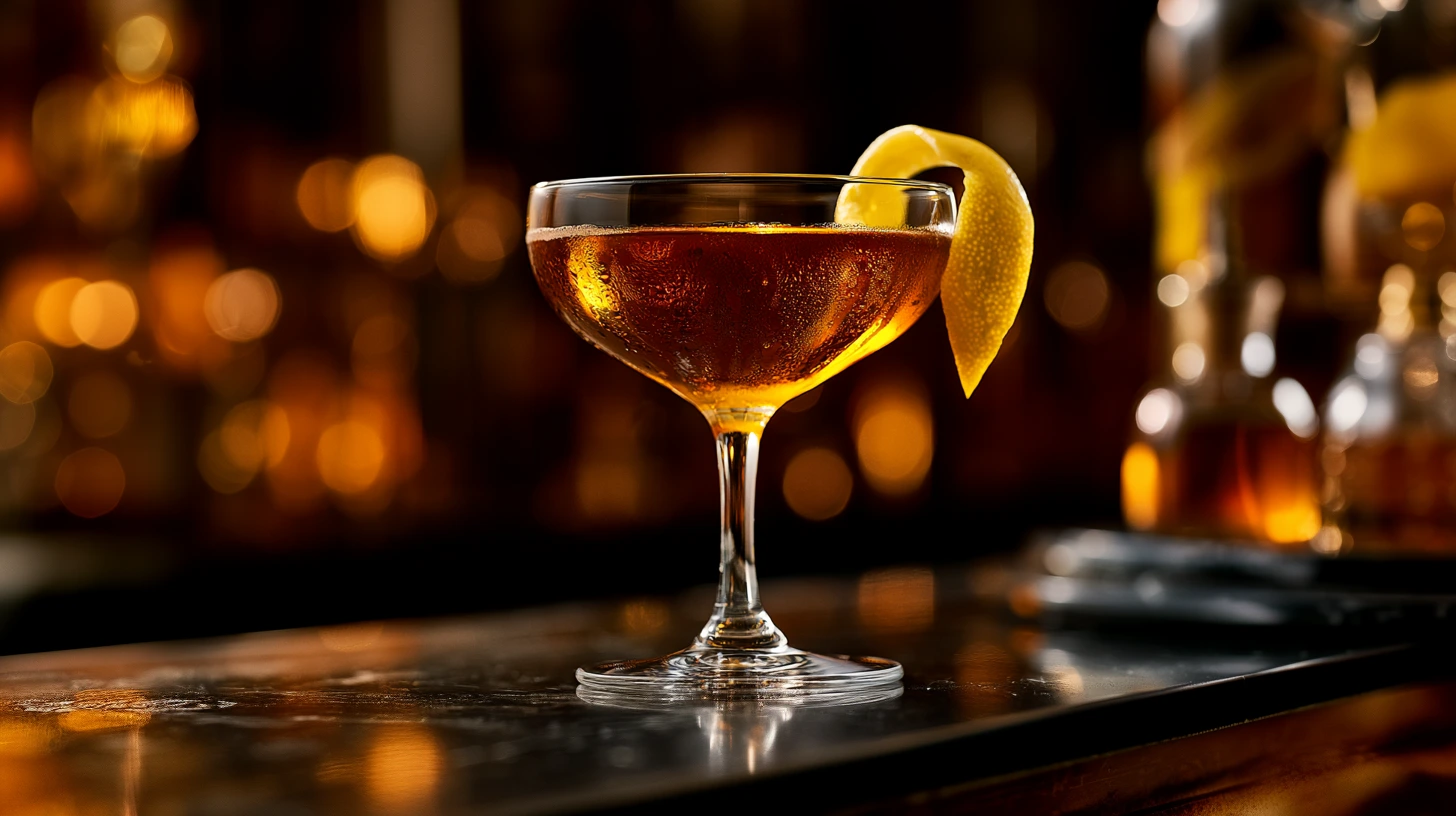
20th Century
20th Century pairs Gin with Lillet Blanc, Creme de cacao blanc, and lemon juice for a bright, sharply balanced cocktail with a clean finish.
Ingredients: Gin, Lillet Blanc, Creme de cacao blanc, and lemon juice.
Before cocktail bars became destinations in their own right, the world's great hotels were where travellers encountered new drinks. Their bars brought together imported spirits, abundant ice, international guests and bartenders who moved between cities carrying recipes with them. A successful hotel cocktail could travel home in a guest's memory, appear in a bar book and become famous thousands of miles from the room that inspired it.
The Hotel Nacional Special is closely associated with Havana's Hotel Nacional de Cuba, which opened in 1930. Rum, pineapple, lime and apricot create a drink that is tropical without becoming heavy. Its exact authorship is debated, which is common in cocktail history: bars were busy workplaces, recipes evolved and later accounts often favoured the most memorable story.
Mary Pickford also reflects Havana's international appeal during the era of film stars, tourism and American bartenders working in Cuba. Its combination of rum, pineapple, grenadine and maraschino is glamorous but structurally simple.
The Pegu Club takes its name from a colonial-era club in Rangoon, now Yangon. The drink's gin, lime, orange liqueur and bitters create a taut, aromatic sour. The Hotel Georgia, by contrast, evokes the polished lounges of Vancouver. These drinks show how the hotel bar served as a meeting place where local identity, imported bottles and travelling fashions collided.
The Champs-Elysees carries the romance of Paris in its name, pairing brandy with herbal liqueur and citrus. The 20th Century was named after the celebrated express train that ran between New York and Chicago, not simply the century. Its blend of gin, aromatised wine, cacao and lemon sounds unlikely until the flavours lock together. It is a cocktail version of streamlined modernity: fast, glamorous and slightly extravagant.
Created in the exuberant atmosphere of 1920s Paris, the Monkey Gland borrowed its name from a notorious medical fad of the period. The name ensured attention; gin, orange, grenadine and an anise accent ensured survival. Hotel bars understood early that theatre mattered. A drink needed flavour, but a story helped it leave the building.
Use chilled glassware, proper napkins, precise garnishes and a little ceremony. These are not drinks to bury under oversized decorations. Many were designed for compact coupes and elegant stemware, where colour and aroma could be appreciated. Put on music, dim the lights and serve one excellent drink rather than a rushed succession.
They capture more than ingredients. They preserve an idea of travel: luggage labels, lobby flowers, polished brass, late trains and conversations between strangers. You do not need a reservation at a legendary bar to experience that feeling. A carefully made Hotel Nacional or Pegu Club can still turn an ordinary room into somewhere with a little history.
Browse every active cocktail currently linked to this collection.
20th Century pairs Gin with Lillet Blanc, Creme de cacao blanc, and lemon juice for a bright, sharply balanced cocktail with a clean finish.
Ingredients: Gin, Lillet Blanc, Creme de cacao blanc, and lemon juice.
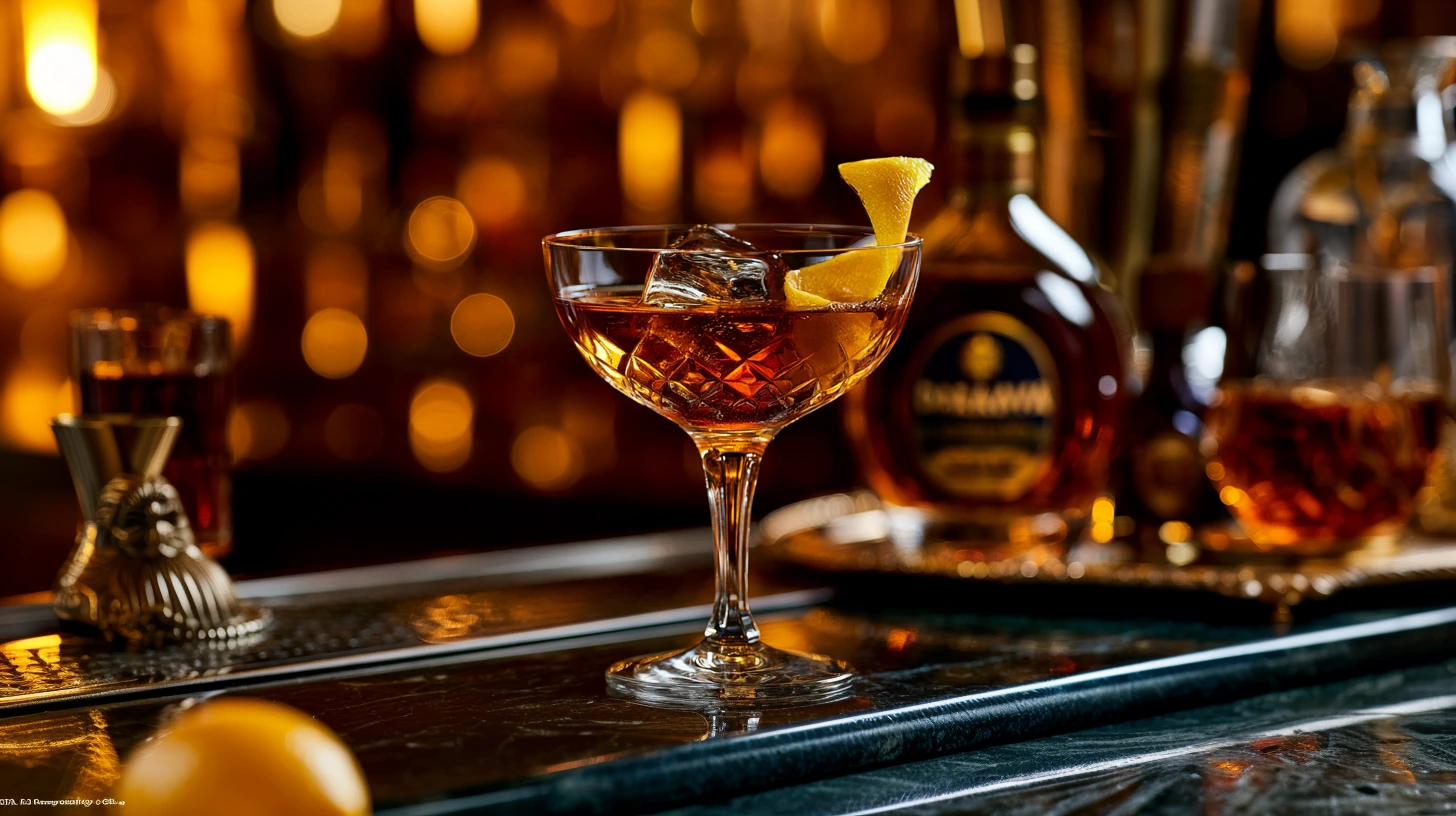
Champs-Elysees pairs Cognac with Green Chartreuse, lemon juice, and Sugar syrup for a bright, sharply balanced cocktail with a clean finish.
Ingredients: Cognac, Green Chartreuse, lemon juice, Sugar syrup, Angostura bitters. Serve well chilled.
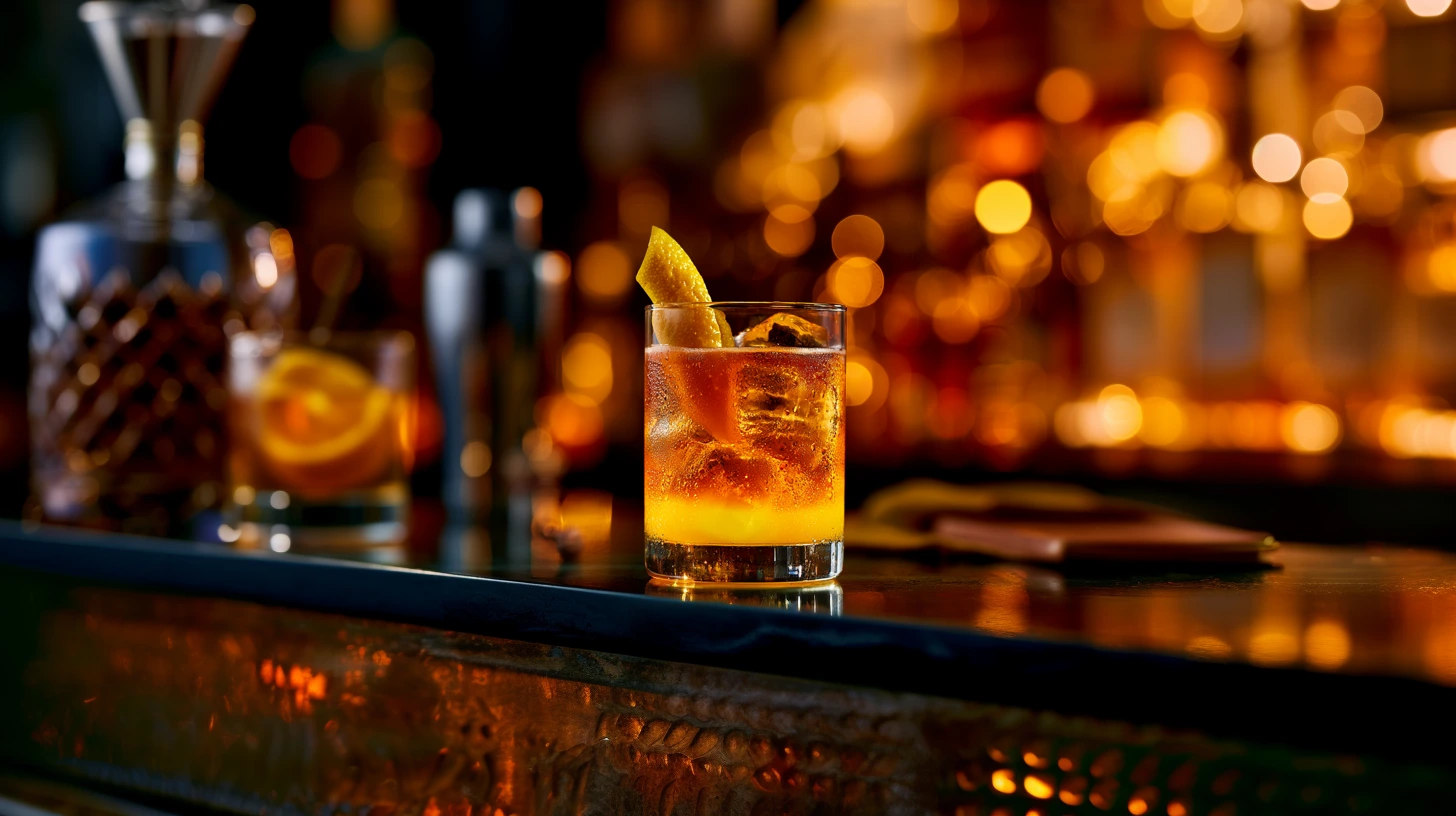
Hotel Georgia pairs Gin with Apricot liqueur, lemon juice, and Orgeat for a bright, sharply balanced cocktail with a clean finish.
Ingredients: Gin, Apricot liqueur, lemon juice, and Orgeat.
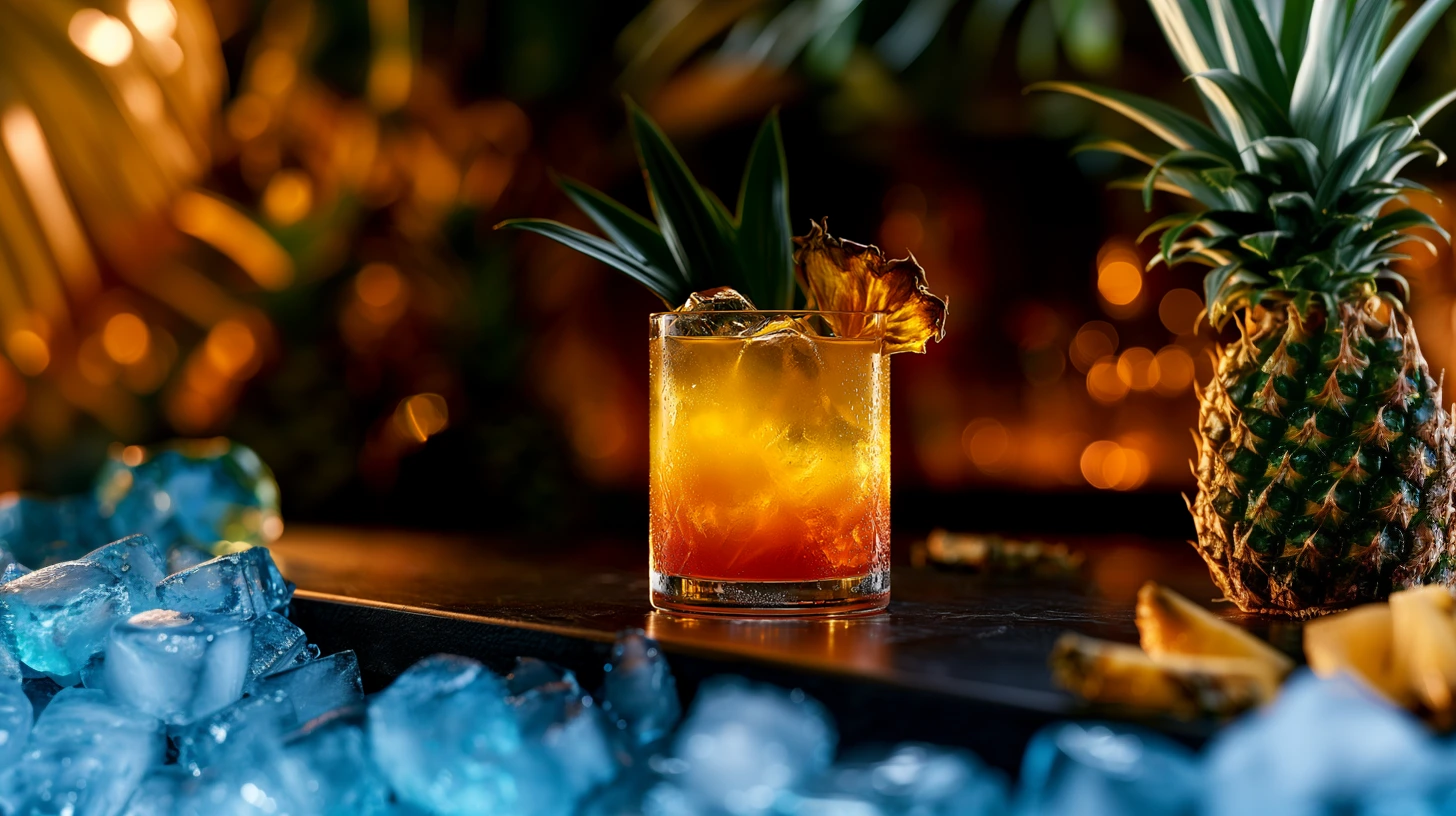
Hotel Nacional pairs White rum with Pineapple juice, Apricot liqueur, and lime juice for a bright, sharply balanced cocktail with a clean finish.
Ingredients: White rum, Pineapple juice, Apricot liqueur, lime juice, Sugar syrup. Serve well chilled.
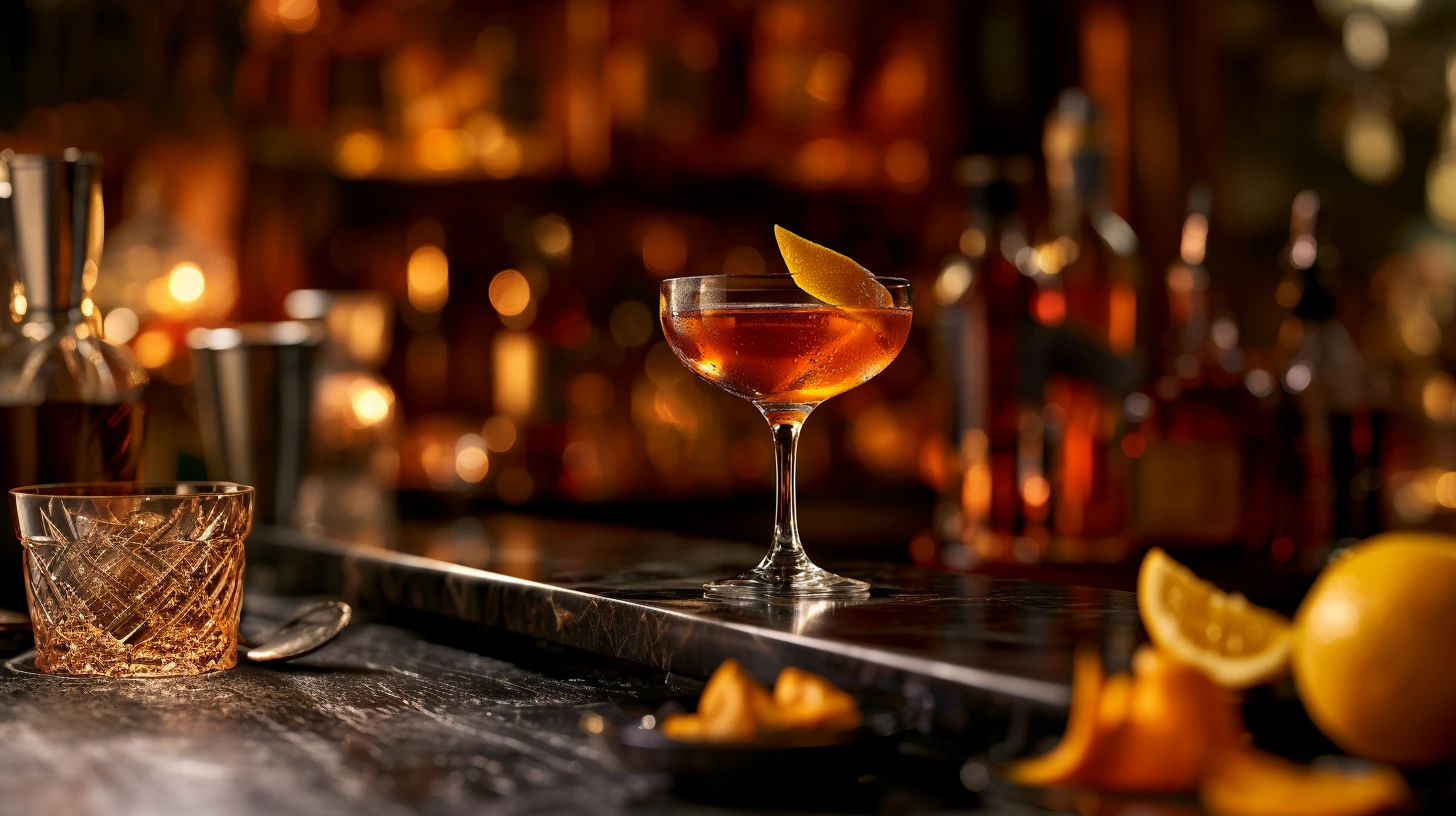
Lucien Gaudin layers Gin with Campari, Dry Vermouth, and Triple Sec for a deeper, aromatic cocktail built for slower sipping.
Ingredients: Gin, Campari, Dry Vermouth, and Triple Sec.
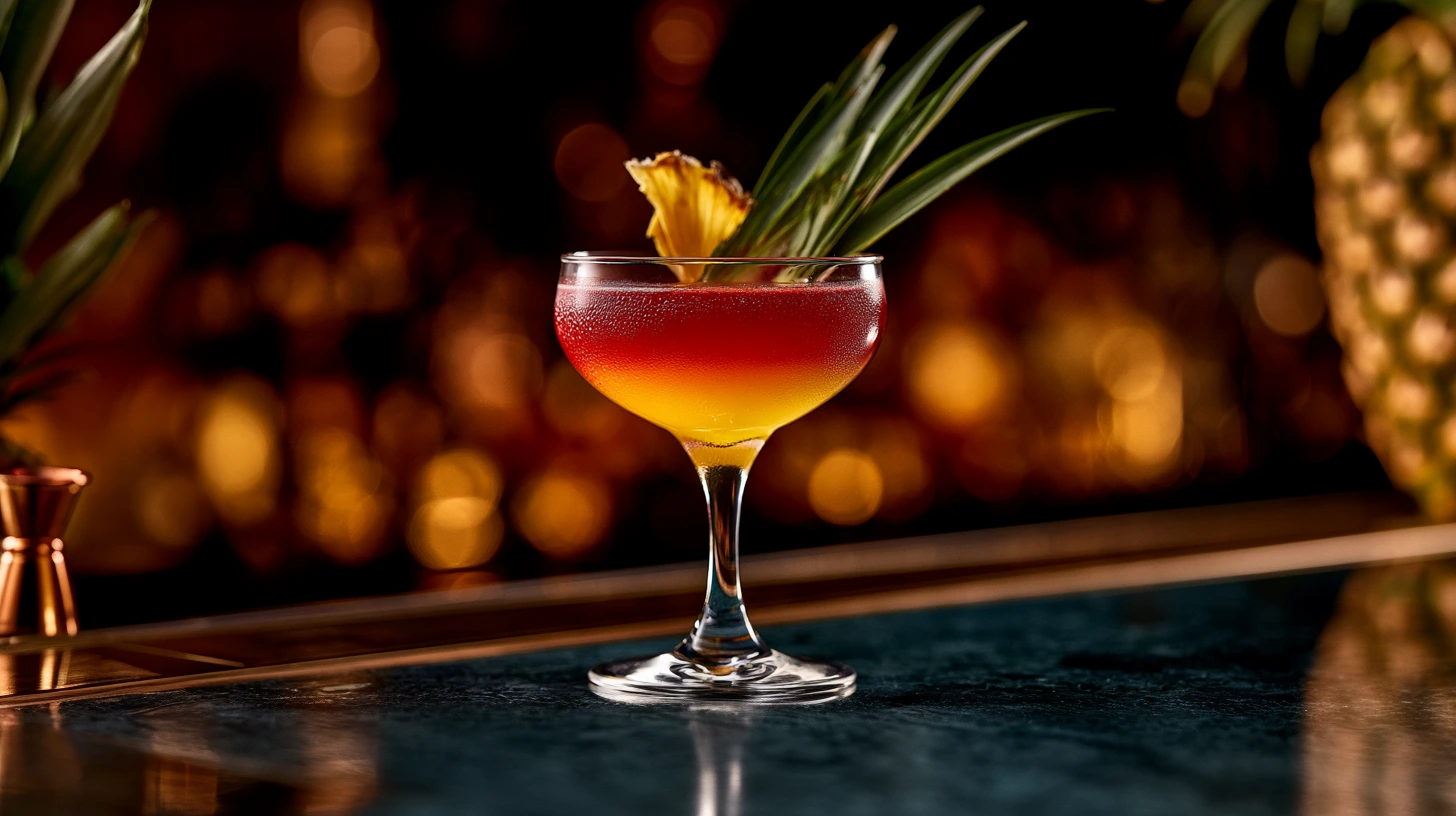
Mary Pickford pairs White rum with Pineapple juice, Grenadine, and Maraschino Liqueur for a bright, sharply balanced cocktail with a clean finish.
Ingredients: White rum, Pineapple juice, Grenadine, and Maraschino Liqueur.
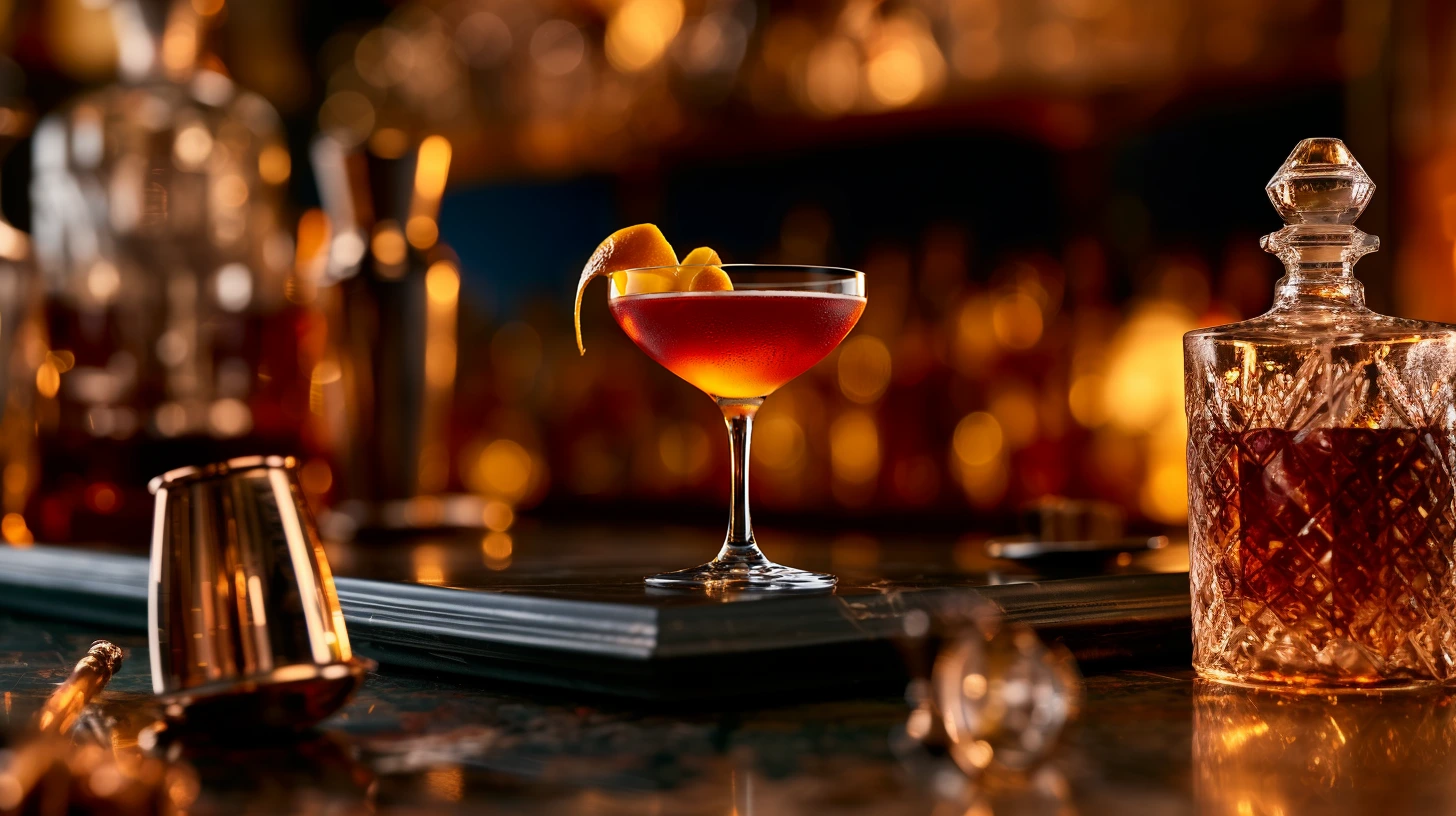
Monkey Gland pairs Gin with Orange juice, Grenadine, and Absinthe for a bright, sharply balanced cocktail with a clean finish.
Ingredients: Gin, Orange juice, Grenadine, and Absinthe.
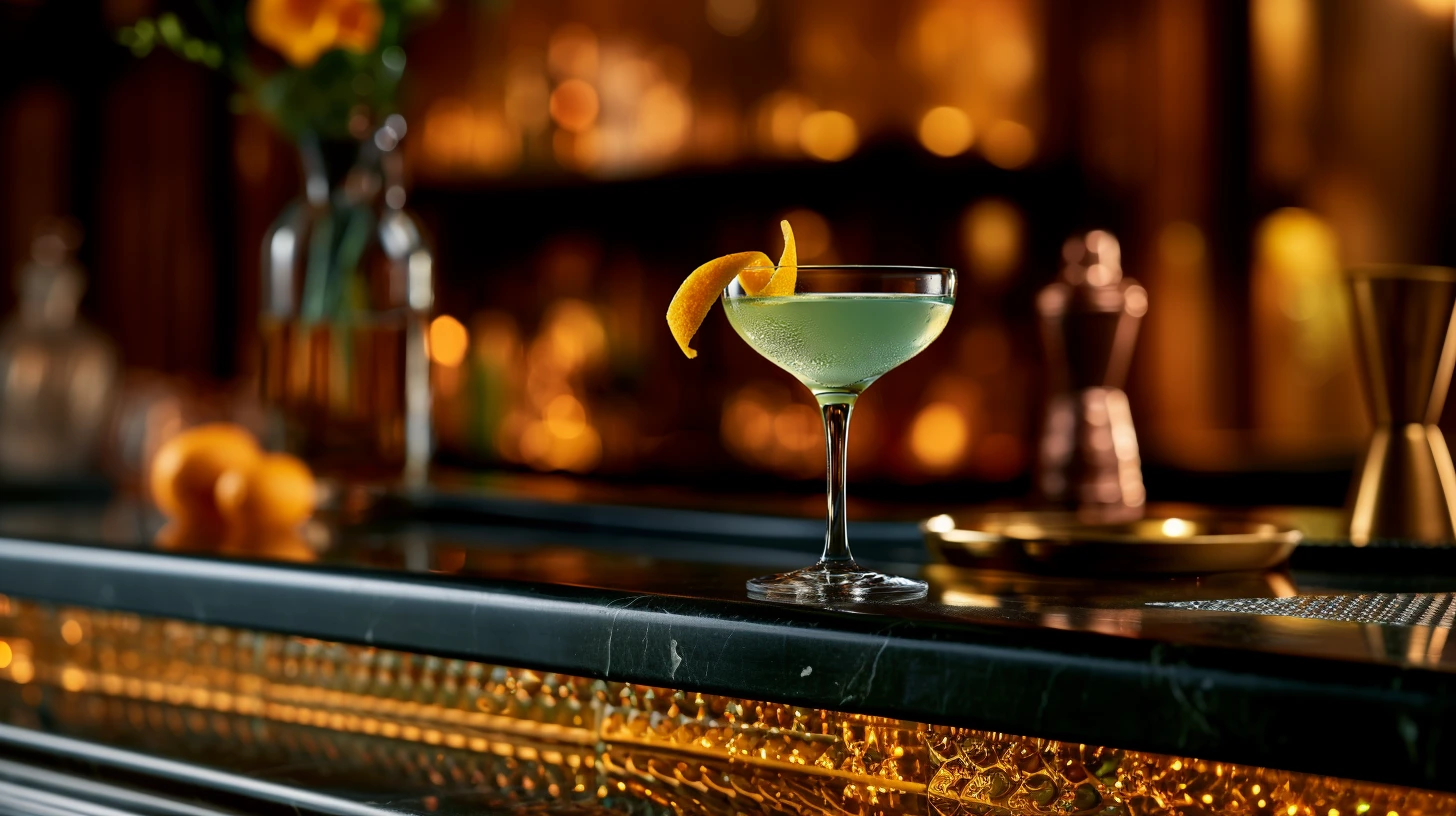
Pegu Club pairs Gin with Orange Liqueur, lime juice, and Angostura Bitters for a bright, sharply balanced cocktail with a clean finish.
Ingredients: Gin, Orange liqueur, lime juice, Angostura bitters, Orange bitters. Serve well chilled.
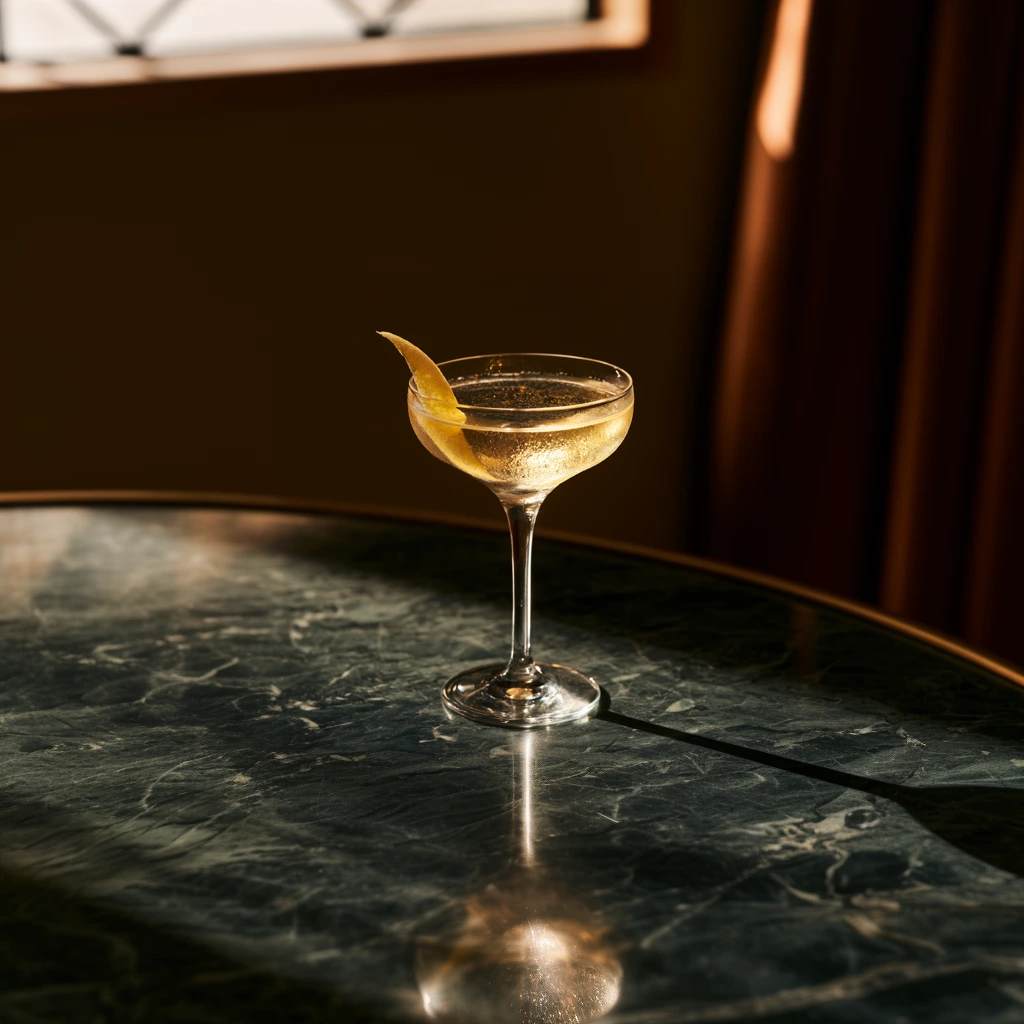
A Prohibition-era gin, dry vermouth and Bénédictine cocktail with a honeyed herbal edge.
Ingredients: 30 ml London dry gin; 22.5 ml Bénédictine; 30 ml dry vermouth.
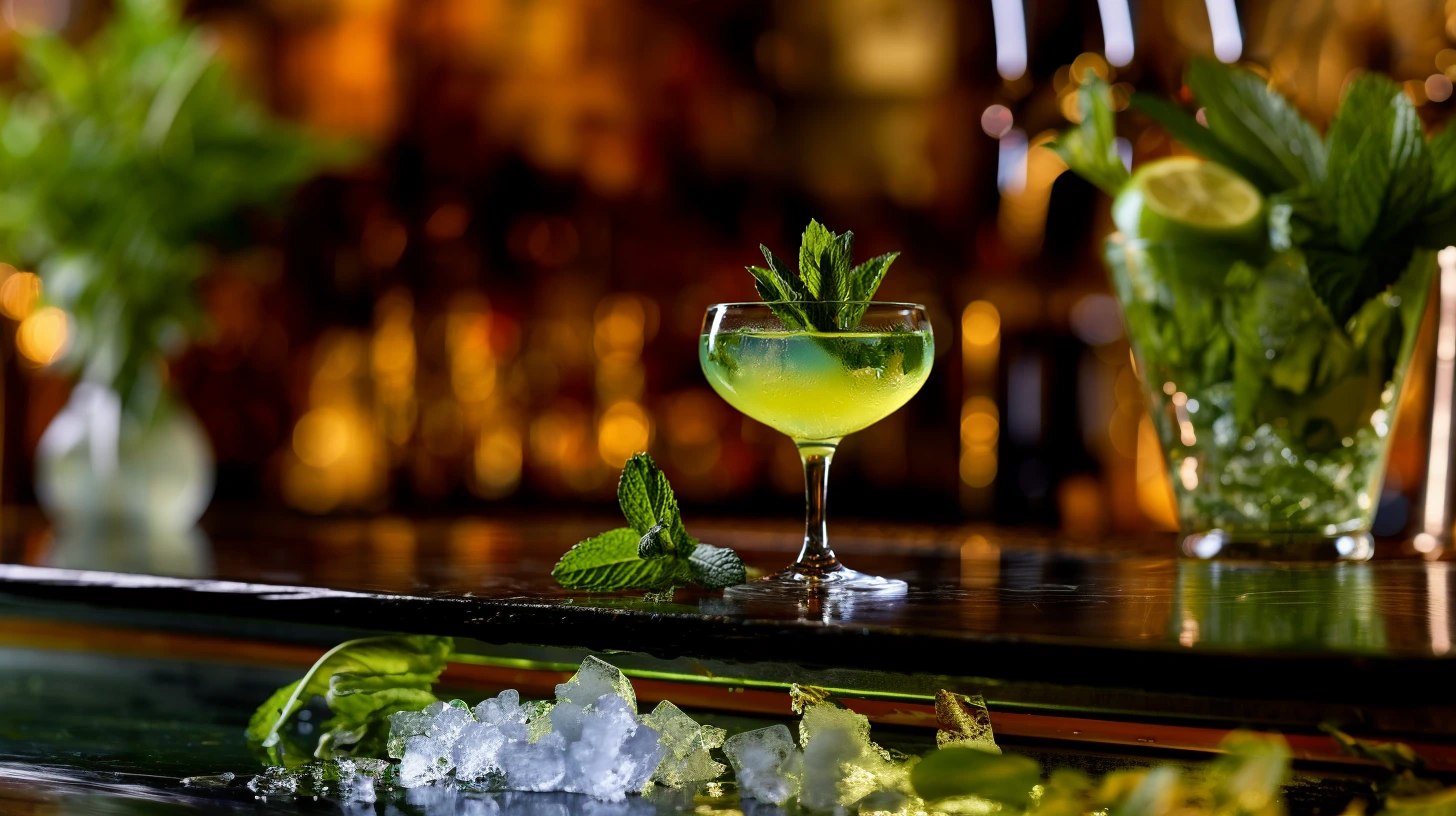
Queen's Park Swizzle pairs Demerara rum with lime juice, Sugar syrup, and Mint Leaves for a bright, sharply balanced cocktail with a clean finish.
Ingredients: Demerara rum, lime juice, Sugar syrup, Mint Leaves, and Angostura Bitters.