
Elderflower Collins
Elderflower Collins combines Gin with Elderflower Liqueur, lemon juice, and Sugar syrup, finishing with a lively, refreshing lift.
Ingredients: Gin, Elderflower liqueur, lemon juice, Sugar syrup, Soda water. Serve well chilled.
Collins, Rickey and highball are often used as if they mean the same thing. All are tall, cold and refreshing, and all usually combine spirit with a non-alcoholic lengthener. The distinction lies in what creates balance.
A highball is the broadest family: spirit plus a larger amount of mixer, commonly carbonated. A Rickey adds fresh lime and soda but traditionally little or no sugar. A Collins combines spirit, lemon, sugar and soda, making it essentially a sparkling sour served long.
The Tom Collins became one of the great nineteenth-century long drinks because it converted the structure of a gin sour into something lighter and more leisurely. Lemon provides acidity, sugar rounds the edges and soda gives lift. John Collins, Vodka Collins, Ron Collins and Elderflower Collins demonstrate how easily the template accepts a new base spirit or aromatic accent.
A Collins should not taste like lemonade with alcohol. The spirit needs room, the citrus must be fresh and the soda should lengthen rather than erase the drink. Shake the spirit, lemon and sugar with ice, strain over fresh ice, then top with soda to preserve carbonation.
The Rickey is associated with nineteenth-century Washington, D.C. and was originally linked to bourbon before gin became the best-known version. Its defining characteristic is the absence, or near absence, of sugar. Lime, spirit and soda create a sharper, drier drink than a Collins. The result is especially good for people who find many cocktails too sweet.
The highball asks even less: spirit, mixer, ice. Scotch and Soda, Mamie Taylor and Whiskey Highball show how much variety can emerge from that foundation. Because the recipe is exposed, carbonation, dilution and glass temperature become crucial. A flat mixer and melting ice can ruin a highball faster than they ruin a more complicated drink.
Order a Collins when you want citrus and a gentle sweetness. Choose a Rickey when you want lime, dryness and maximum refreshment. Pick a highball when you want the character of a spirit stretched into a longer drink. Ginger-led highballs sit between worlds because the mixer brings sweetness, acidity and spice of its own.
Cocktail categories are useful because they let you predict a drink before ordering it. Knowing these three families also makes improvisation safer. Have gin, lemon, sugar and soda? Make a Collins. Have whiskey and excellent sparkling water? Make a highball. Want something leaner? Reach for lime and build a Rickey.
Forget the label for a moment and taste the balance. A Collins should be lively but rounded, a Rickey crisp and unsweetened, and a highball exceptionally cold with the mixer and spirit in harmony. Once you can recognise those differences, a large section of the cocktail menu becomes instantly easier to understand.
Browse every active cocktail currently linked to this collection.
Elderflower Collins combines Gin with Elderflower Liqueur, lemon juice, and Sugar syrup, finishing with a lively, refreshing lift.
Ingredients: Gin, Elderflower liqueur, lemon juice, Sugar syrup, Soda water. Serve well chilled.
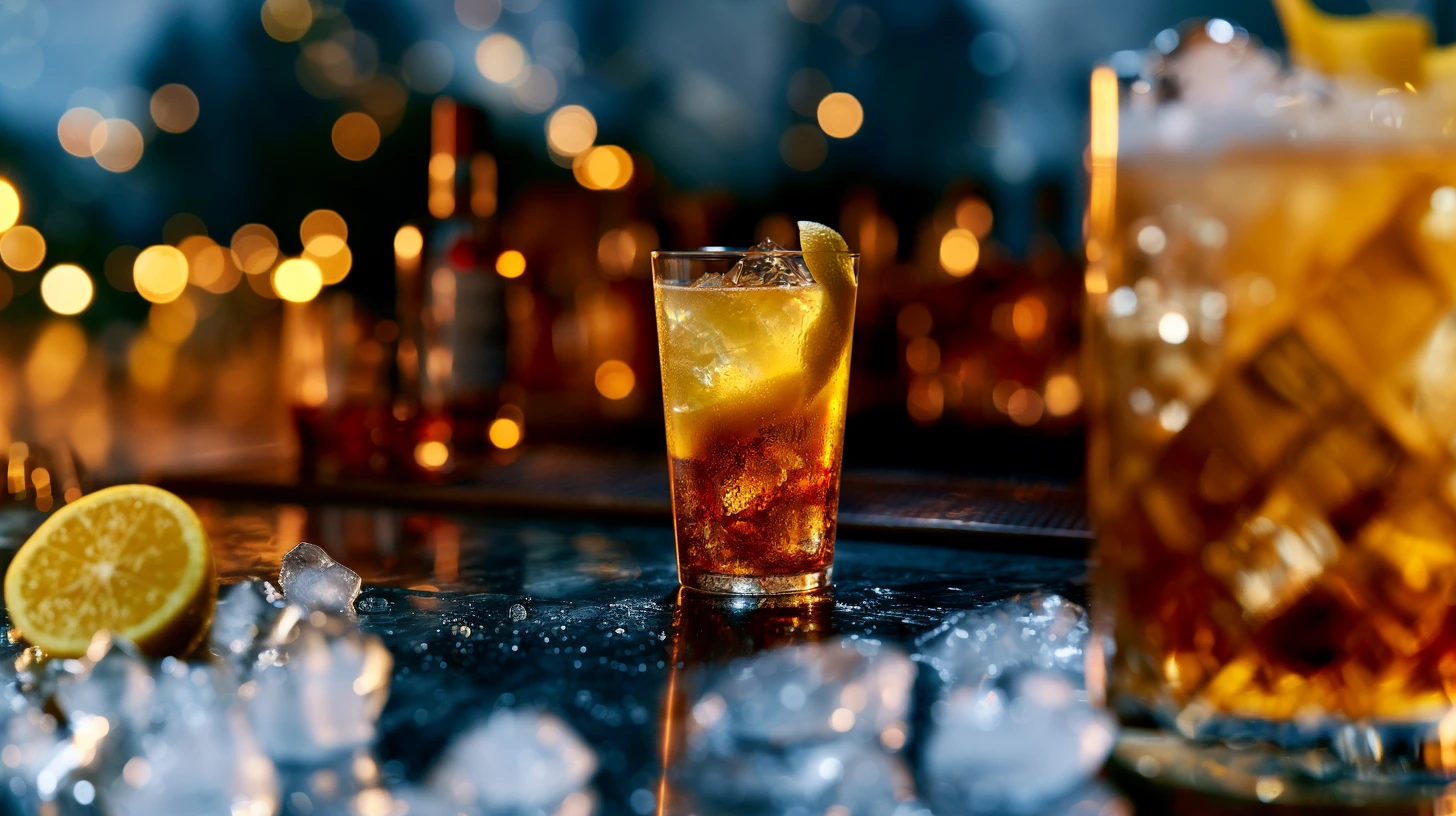
Highland Cooler combines Scotch whisky with lemon juice and Ginger Ale, finishing with a lively, refreshing lift.
Ingredients: Scotch whisky, lemon juice, and Ginger Ale.
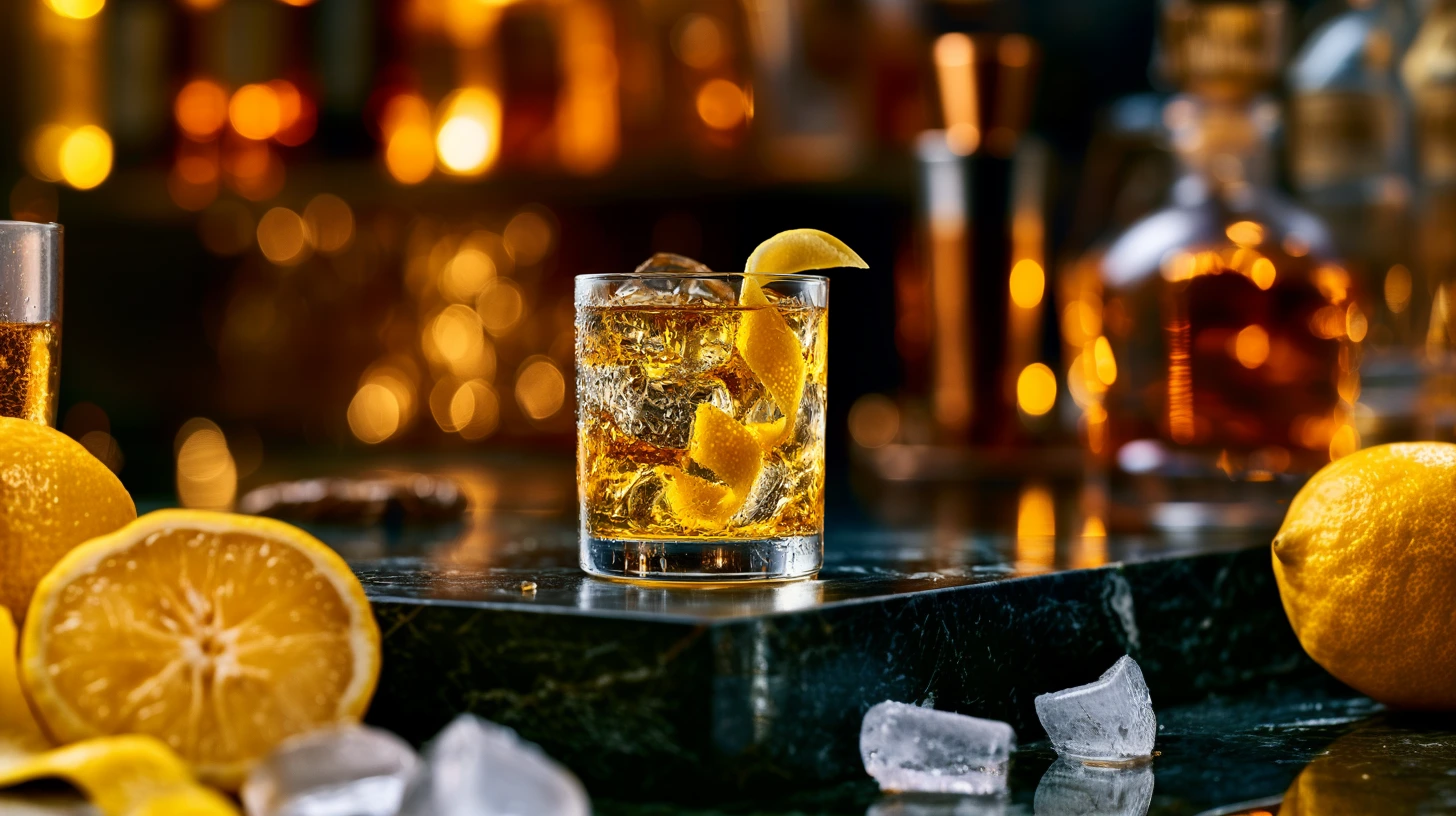
Horse's Neck combines Brandy with Ginger Ale and Long spiral lemon peel, finishing with a lively, refreshing lift.
Ingredients: Brandy, Ginger ale, Long spiral lemon peel. Serve well chilled.
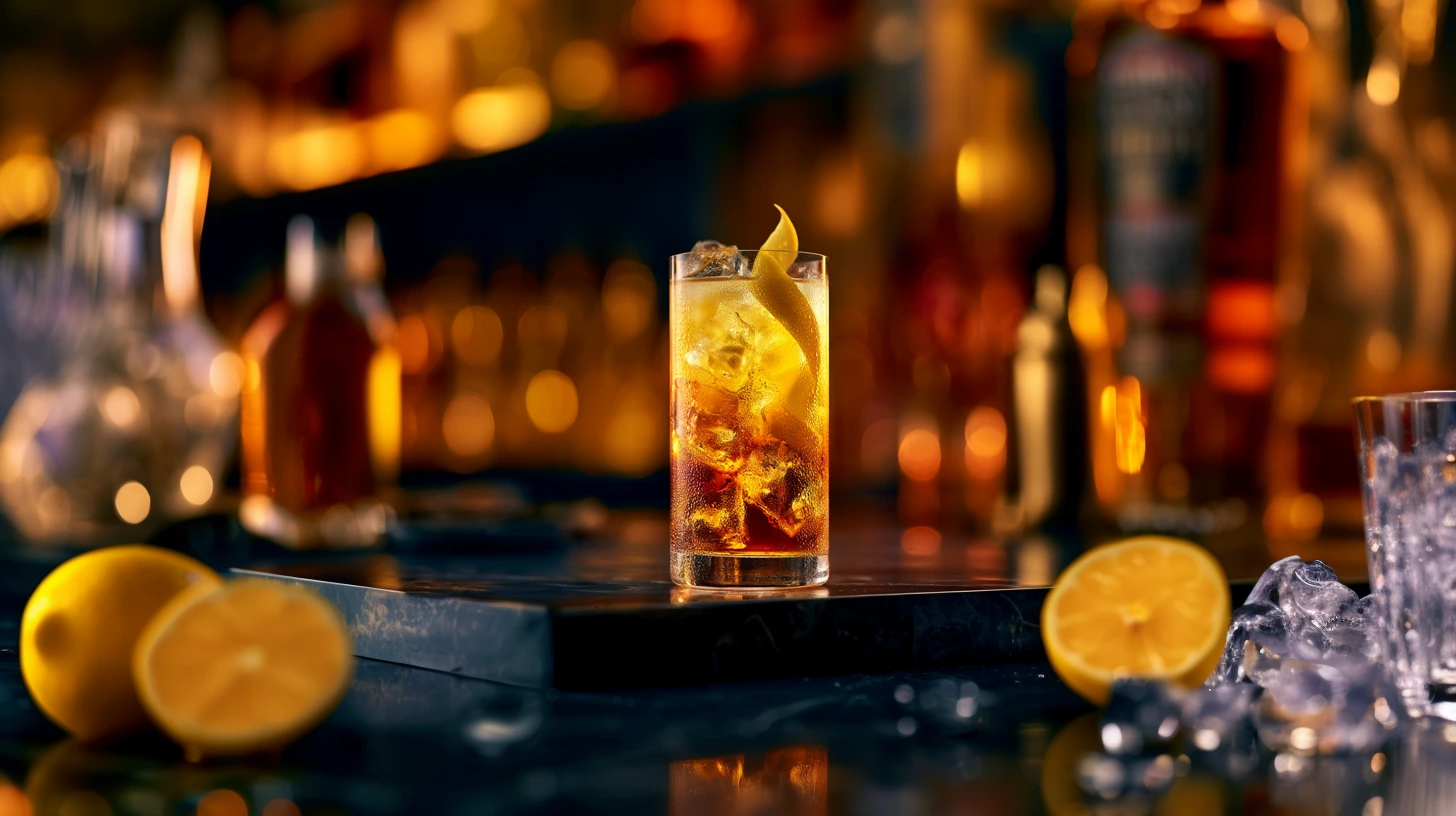
Japanese Highball combines Japanese Whisky with Soda Water and Lemon twist, finishing with a lively, refreshing lift.
Ingredients: Japanese whisky, Soda water, Lemon twist. Serve well chilled.

John Collins combines Bourbon with lemon juice, Sugar syrup, and Soda Water, finishing with a lively, refreshing lift.
Ingredients: Bourbon, lemon juice, Sugar syrup, Soda water. Serve well chilled.
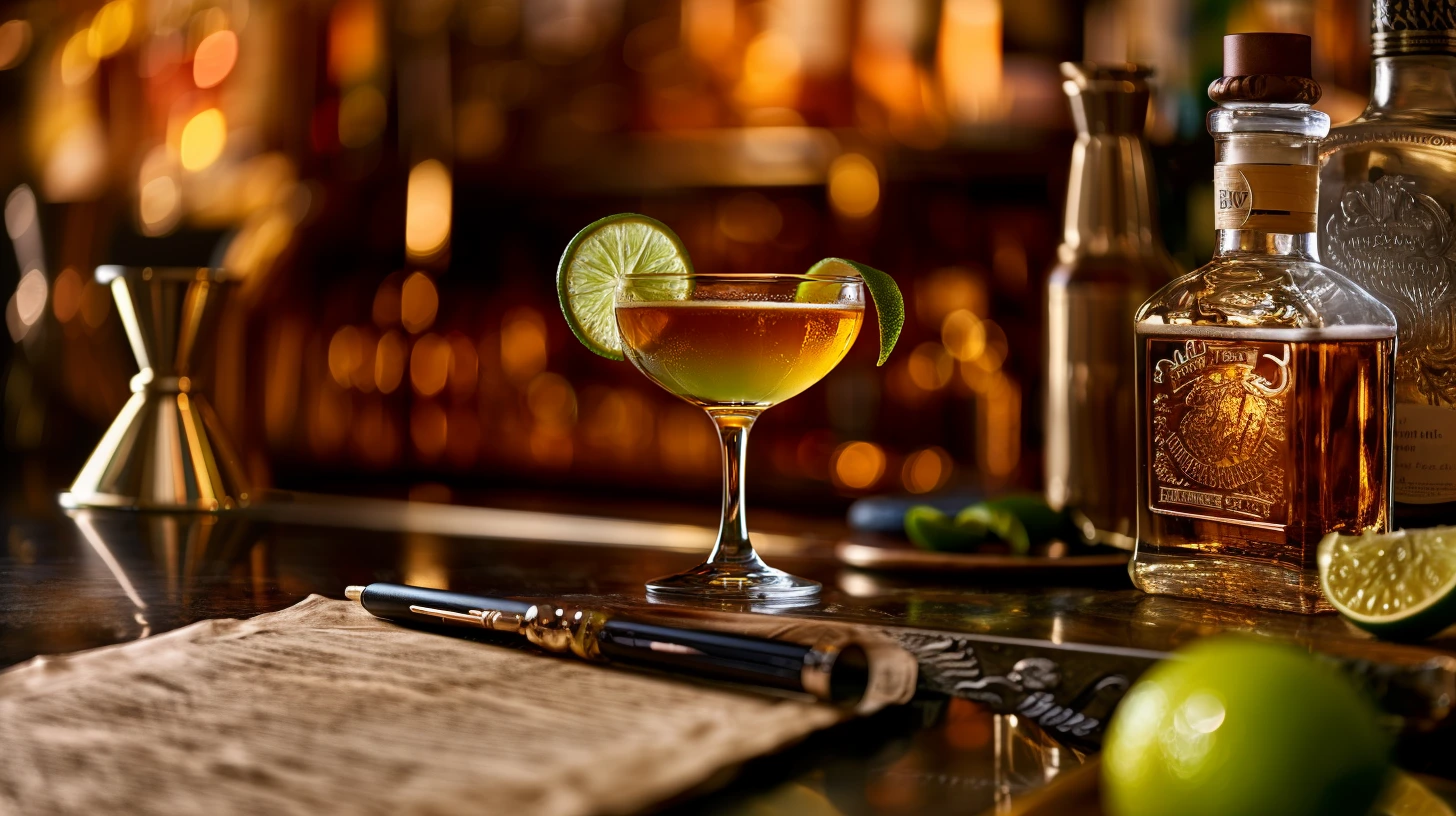
Mamie Taylor combines Scotch whisky with lime juice and Ginger Beer, finishing with a lively, refreshing lift.
Ingredients: Scotch whisky, lime juice, and Ginger Beer.
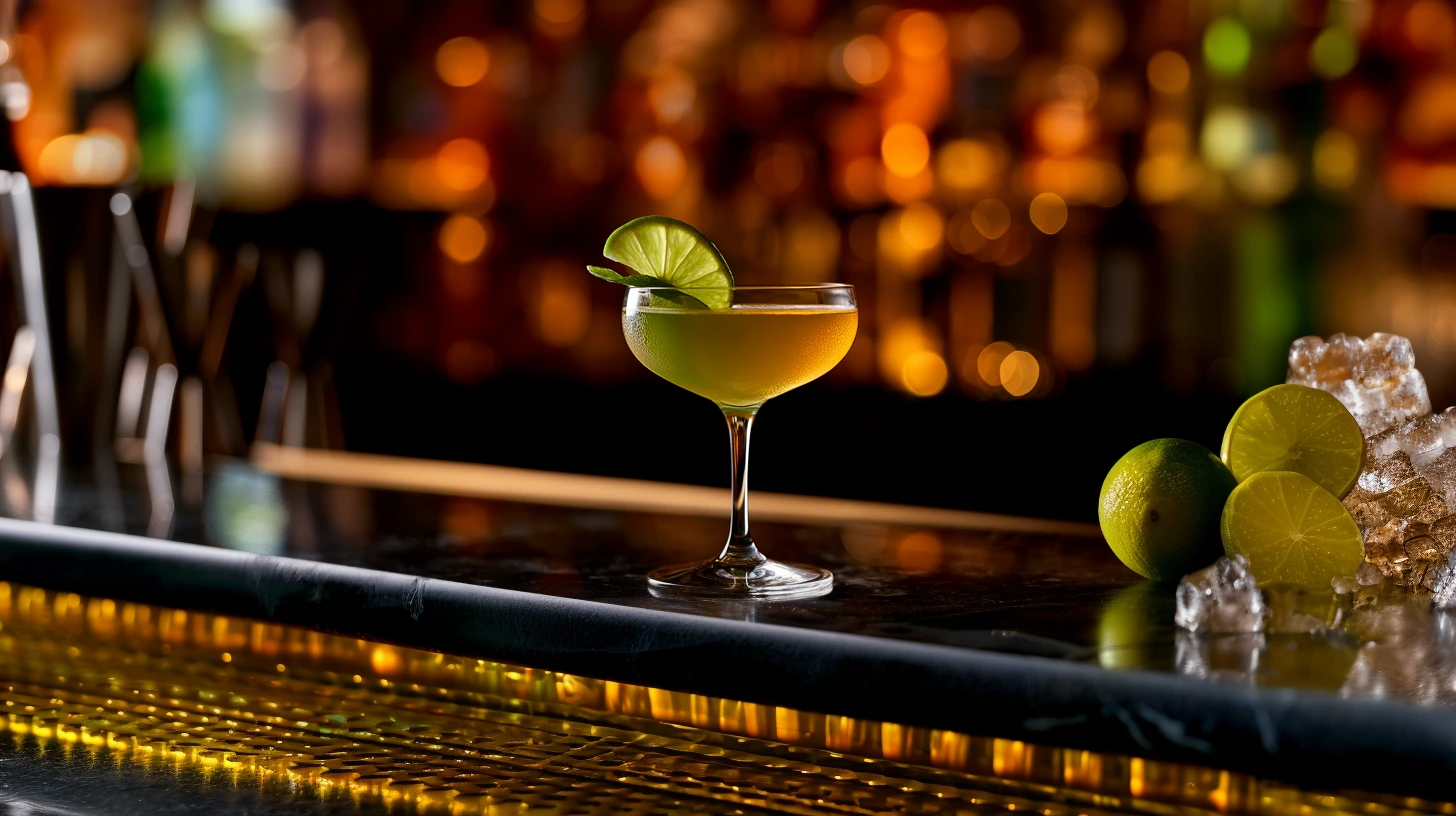
Mamie's Sister combines Scotch whisky with lime juice, Ginger Ale, and Soda Water, finishing with a lively, refreshing lift.
Ingredients: Scotch whisky, lime juice, Ginger ale, Soda water. Serve well chilled.
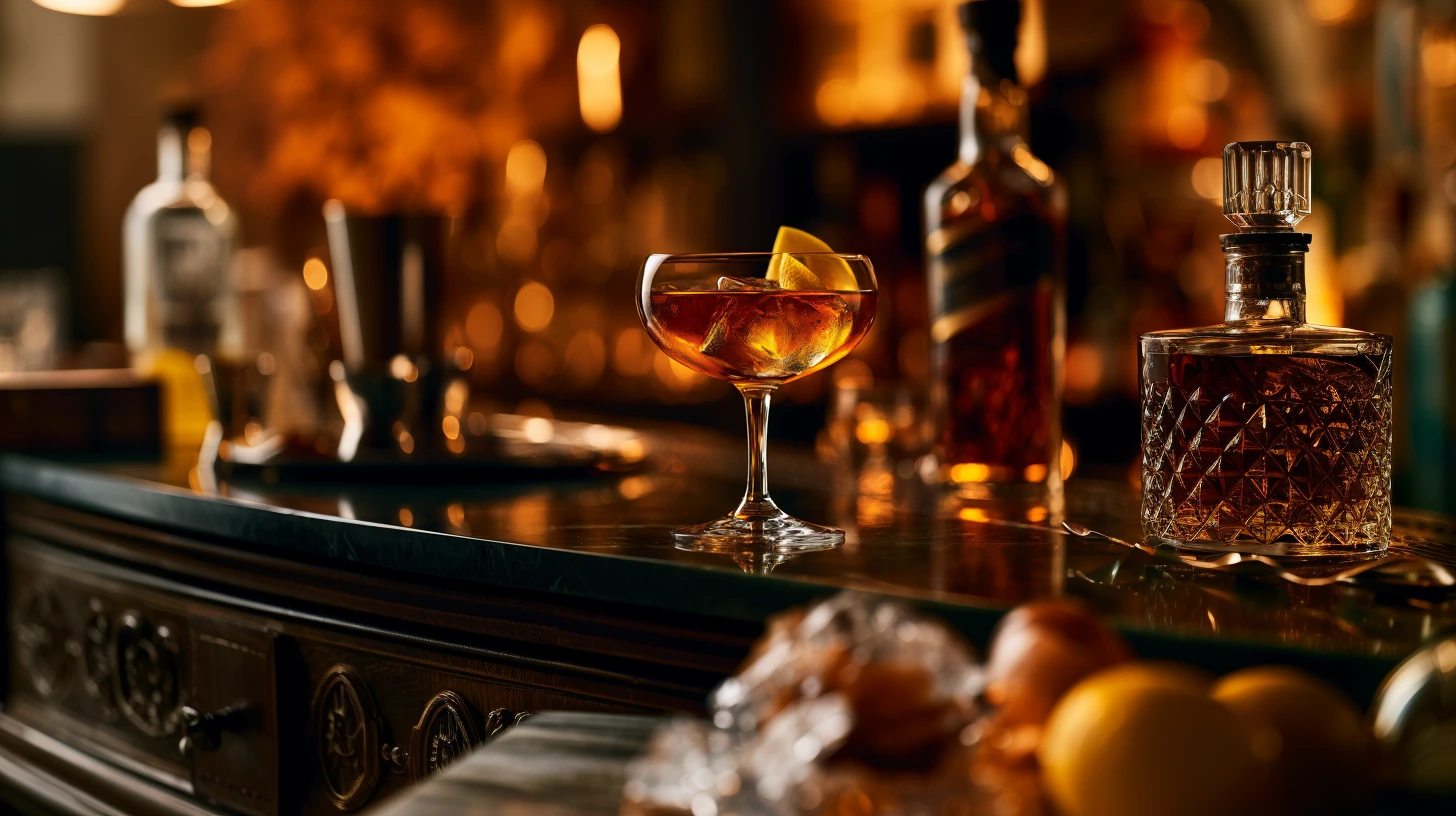
Presbyterian combines Scotch whisky with Ginger Ale and Soda Water, finishing with a lively, refreshing lift.
Ingredients: Scotch whisky, Ginger Ale, and Soda Water.

Ron Collins combines White rum with lemon juice, Sugar syrup, and Soda Water, finishing with a lively, refreshing lift.
Ingredients: White rum, lemon juice, Sugar syrup, and Soda Water.
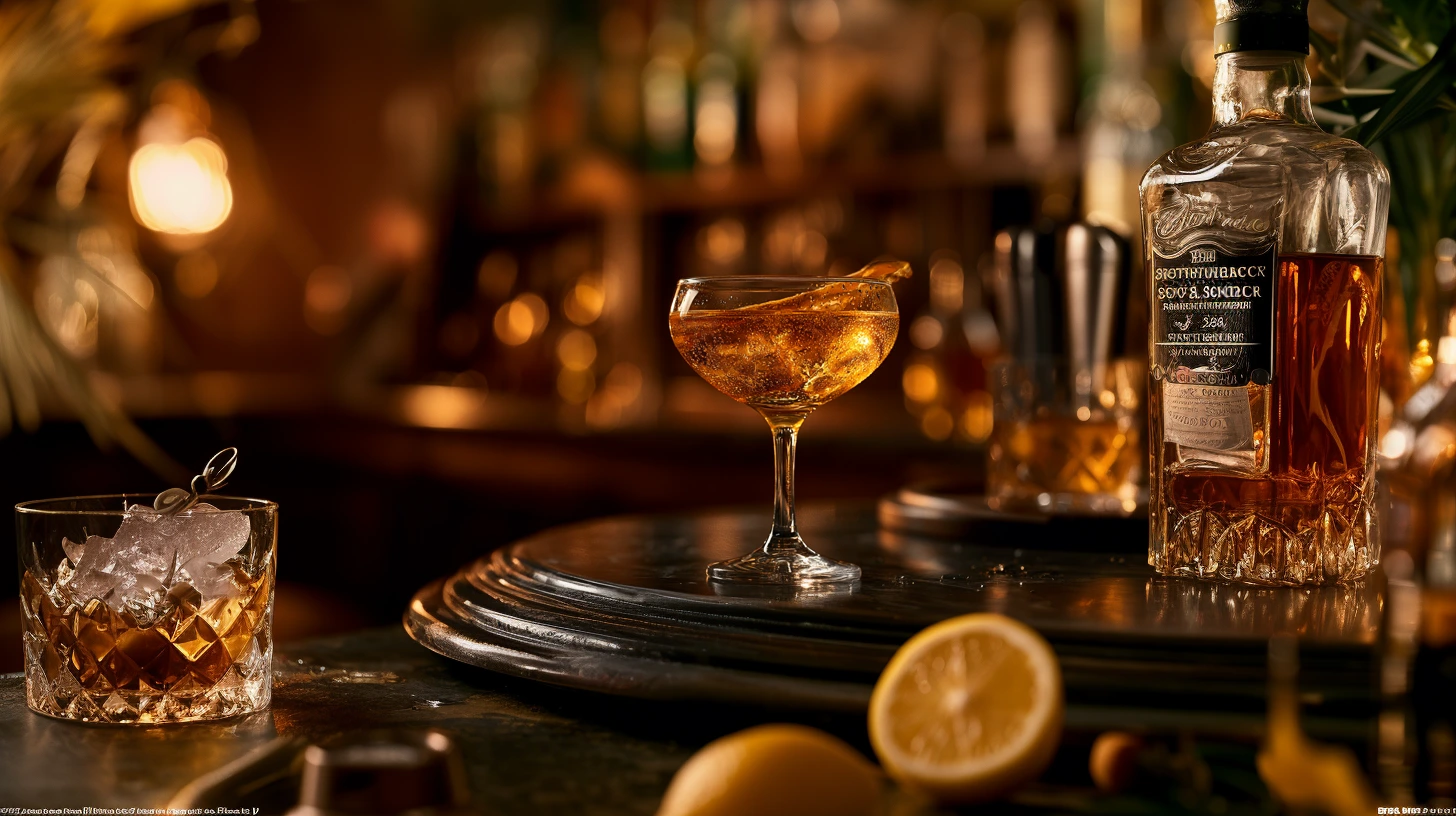
Scotch & Soda combines Scotch whisky with Soda Water, finishing with a lively, refreshing lift.
Ingredients: Scotch whisky and Soda Water.
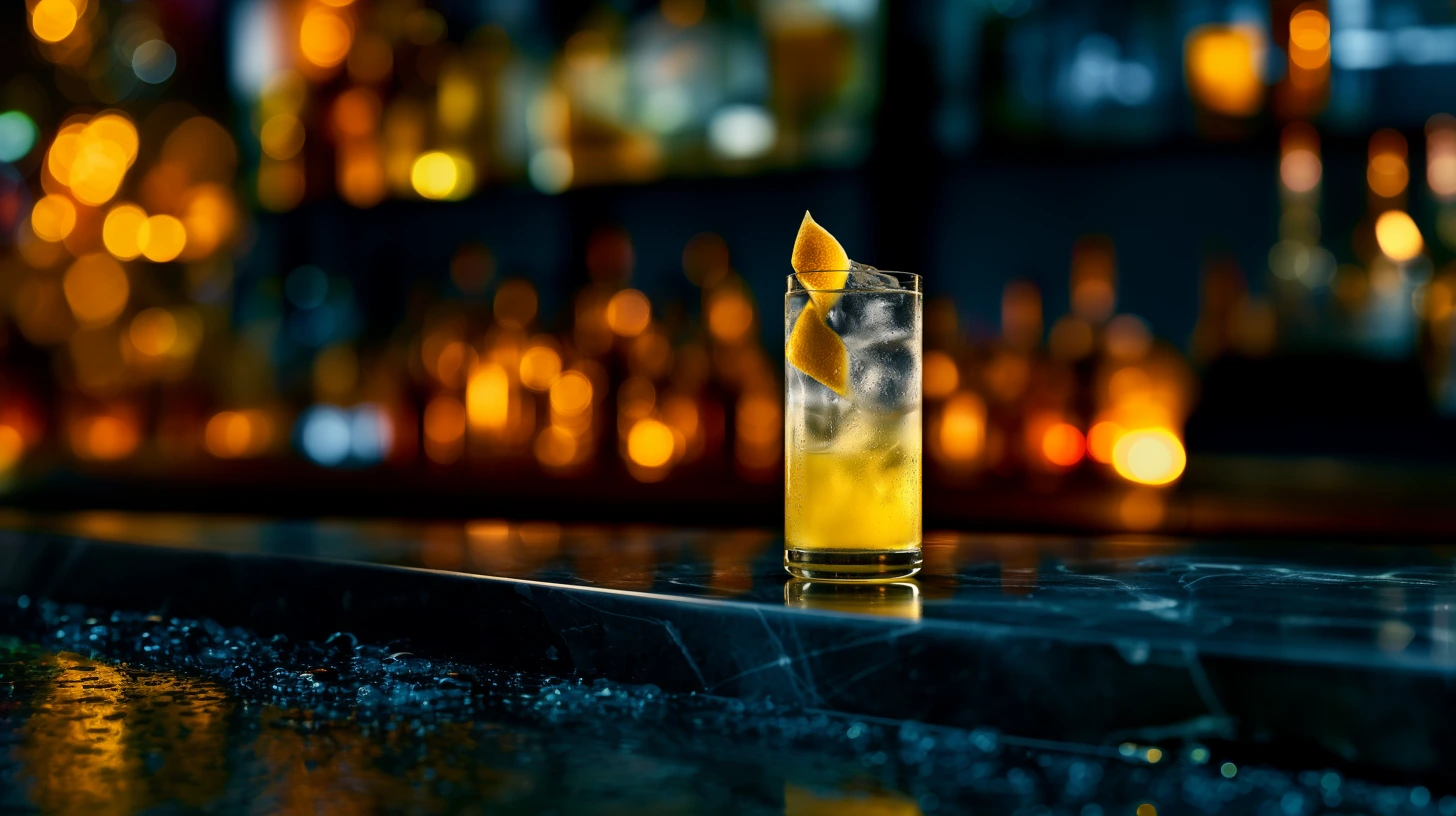
Vodka Collins combines Vodka with lemon juice, Sugar syrup, and Soda Water, finishing with a lively, refreshing lift.
Ingredients: Vodka, lemon juice, Sugar syrup, and Soda Water.
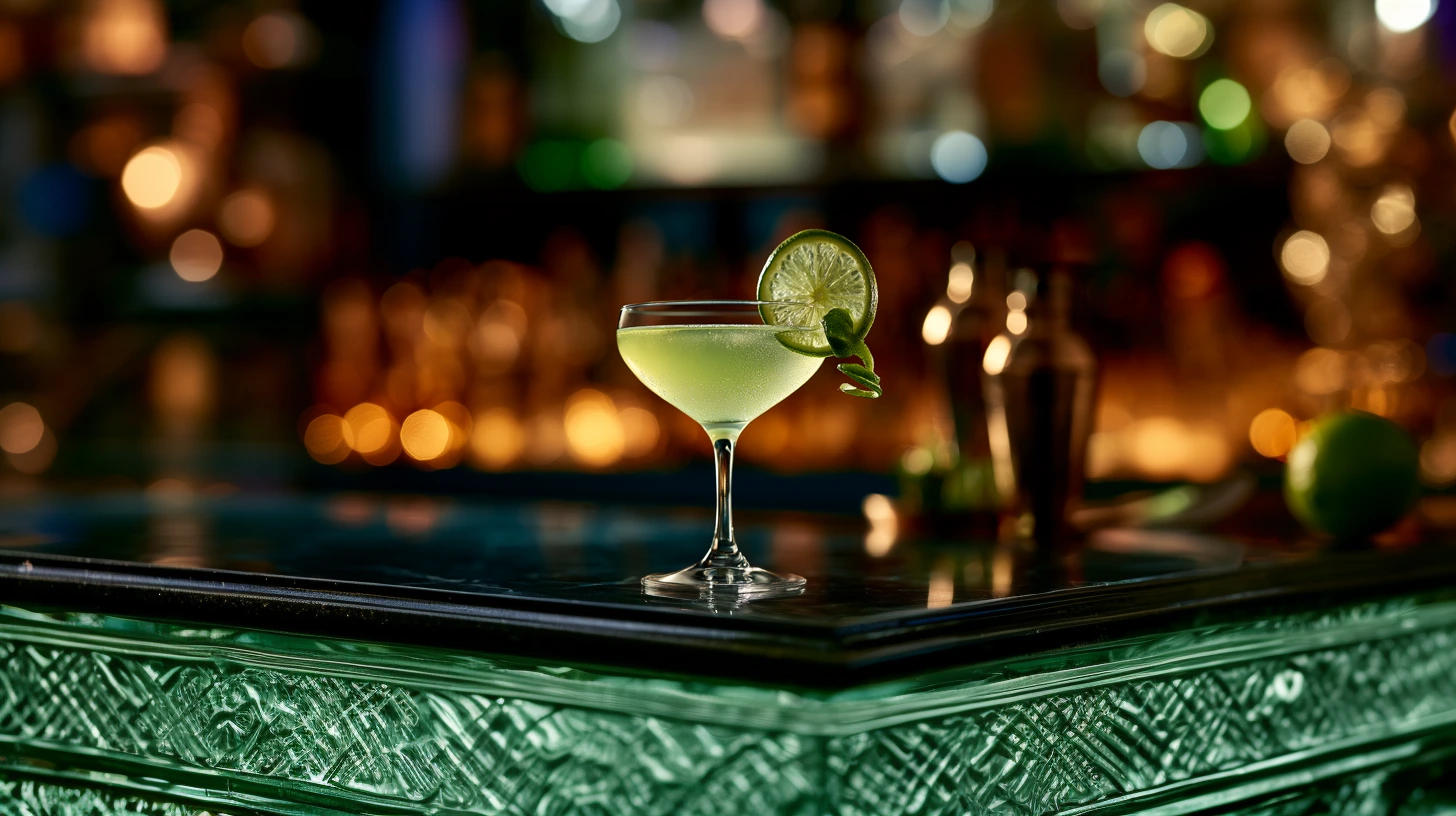
Vodka Rickey combines Vodka with lime juice and Soda Water, finishing with a lively, refreshing lift.
Ingredients: Vodka, lime juice, and Soda Water.
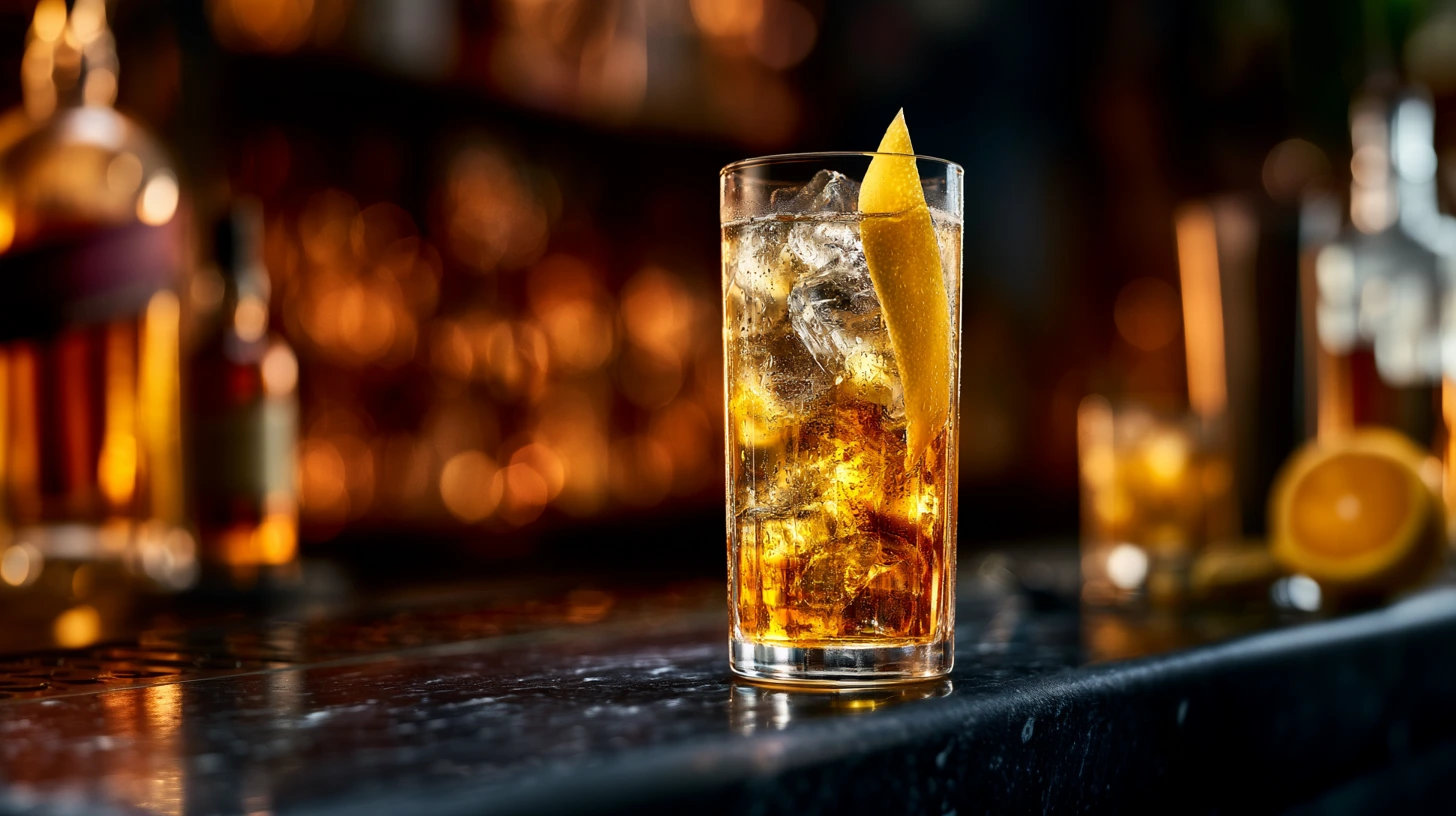
Whiskey Highball combines Whisky with Soda Water and Lemon twist, finishing with a lively, refreshing lift.
Ingredients: Whisky, Soda water, Lemon twist. Serve well chilled.